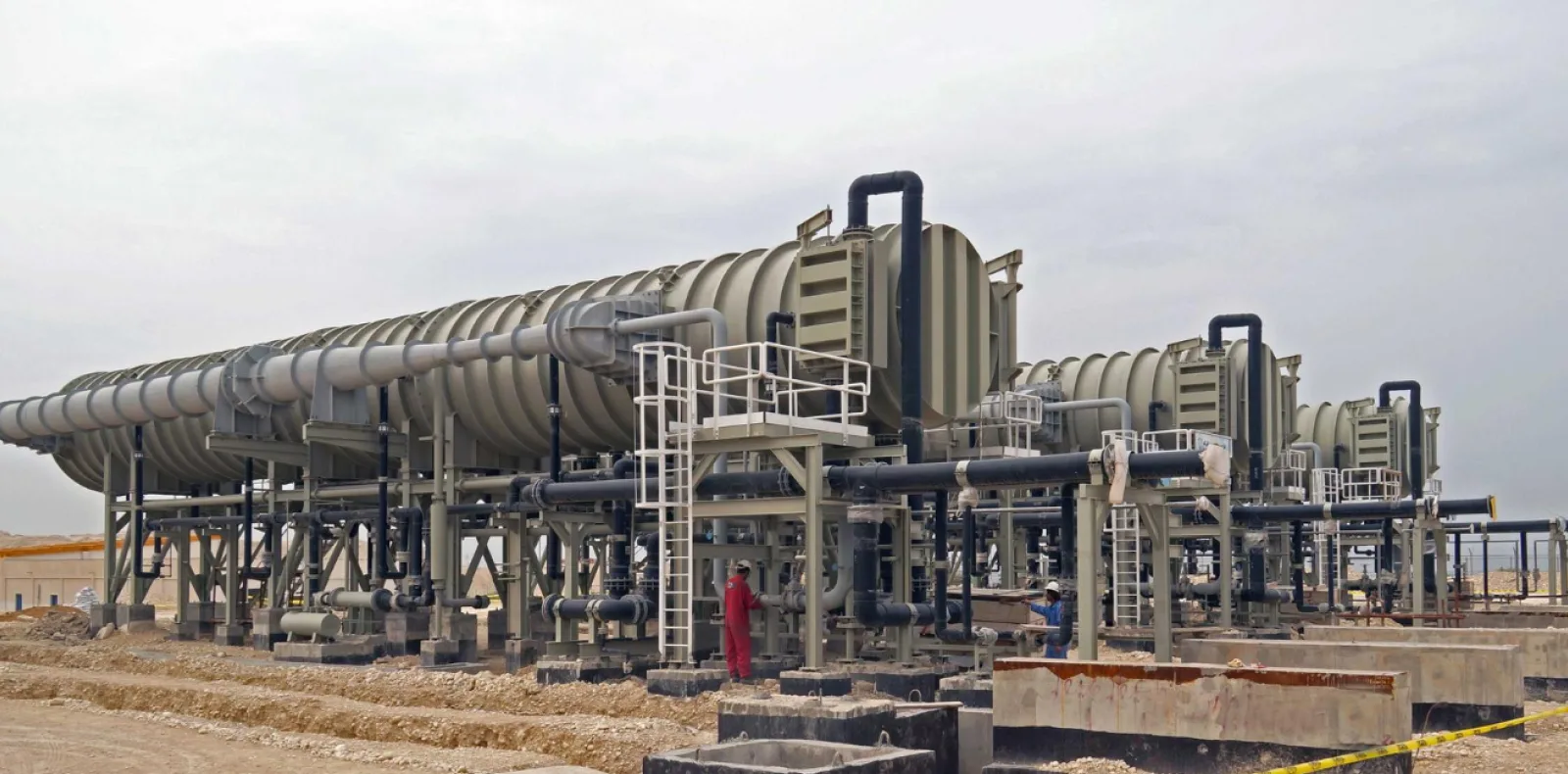
Best Thermal Packer Manufacturers for Geothermal & SAGD Wells 2026
Having installed 200+ thermal packers across SAGD and geothermal wells in India, the Middle East, and Southeast Asia, Maximus OIGA has evaluated every major thermal packer manufacturer in the market. This guide presents 8 manufacturers whose products consistently perform in sustained high-temperature downhole environments.
Standard completion packers use general-purpose elastomers rated 250–300°F - compounds that degrade under sustained thermal load from steam injection or geothermal heat. Thermal packers replace these with specialized compounds (HNBR, FKM, FFKM) paired with metallic anti-extrusion backup rings, delivering reliable zonal isolation in SAGD, CSS, steam flood, and geothermal applications.
Procurement teams evaluating thermal packer manufacturers need a curated shortlist, not another product page. This listicle ranks 8 manufacturers by temperature capability, certifications, and field track record - structured for engineers building an RFQ shortlist.
How to Evaluate a Thermal Packer Manufacturer
Thermal packer procurement starts with five evaluation criteria that separate qualified manufacturers from general suppliers. Engineers asking “Which companies are API certified?” should use this framework before requesting quotes.
| Criterion | What to Verify |
| 1. Temperature Rating & Test Standard | API 11D1 / ISO 14310 design verification grade. V0 = zero gas leakage at max rated temperature and pressure, tested with nitrogen. V6 = lowest. Demand V0 for SAGD and geothermal. |
| 2. Certifications | API Q1 (quality management for petroleum manufacturing), ISO 14310 (packer design verification), ISO 9001 (general QMS). API Q1 confirms manufacturing processes; ISO 14310 confirms product performance. |
| 3. In-House Test Facility | Pressure and temperature test cell on-site. Verify the facility can test at or above the rated conditions of the packer being purchased. Third-party testing adds lead time and cost. |
| 4. Field Track Record | Number of installations in SAGD, geothermal, or CSS wells. Geographic coverage. Ask for case histories with well conditions, run life, and failure rate data. |
| 5. Custom Engineering | Ability to configure for specific casing sizes, elastomer compounds, setting mechanisms, and corrosion environments. Thermal wells vary widely; one-size-fits-all packers rarely perform. |
The API 11D1 standard defines packer design verification grades from V6 (lowest testing rigor) to V0 (highest - zero gas leakage under maximum rated conditions using gas medium). Packer standards classifications also distinguish quality grades Q3 (minimum) to Q1 (highest inspection and manufacturing verification). For thermal applications, V0 + Q1 is the procurement baseline.
Steelhaus Technology- Metal-to-Metal Thermal Packer Specialists
Steelhaus Technology, headquartered in Calgary, Alberta, manufactures the TBL Thermal Liner Packer - a hydraulically set liner hanger packer designed for SAGD, CSS, and extreme thermal applications.
The TBL eliminates elastomeric seals entirely, using a metal-to-metal seal design rated to 343°C (650°F) and 21 MPa (3,045 PSI). This non-elastomer approach targets environments where even specialty compounds (FKM, FFKM) cannot maintain seal integrity over sustained thermal cycles. Steelhaus has tested well tractor transition through the packer into liner without a slave string - simplifying intervention operations in thermal wells.
Pros: Industry-leading temperature rating (650°F). No elastomer degradation risk. Purpose-built for SAGD/CSS.
Cons: Narrower product range than full-service OEMs. Metal-to-metal seals require tighter casing tolerances.
D&L Oil Tools- Retrievable Thermal Packers for Steam Injection
D&L Oil Tools manufactures the IE Thermal Packer (CT Thermal with Internal Expansion Joint) - a double-grip retrievable packer designed for steam injection and production wells.
The IE Thermal is rated to 450°F as standard, with a 650°F element package available for higher-temperature applications. High-temperature elements are paired with wire mesh backups to prevent extrusion under thermal cycling. The design builds on D&L’s highly successful ASI-X Packer platform, adapted for huff-and-puff and continuous steam injection operations.
Pros: Dual temperature configurations (450°F / 650°F). Proven ASI-X design heritage. Wire mesh anti-extrusion backup.
Cons: U.S.-based manufacturing may add lead time for international projects.
Maximus OIGA- SpectraMax Thermal Packers for SAGD & Geothermal Wells
The SpectraMax is a single-string, double-grip retrievable thermal packer designed for geothermal, steam flood, and severe temperature wells. It holds pressure differentials from both above and below the packer - a requirement for SAGD producers and CSS completions where tubing-casing annulus pressure management is critical.
Maximus OIGA’s Vadodara manufacturing facility includes an in-house test cell rated to 500°F and 15,000 PSI - exceeding current product ratings and providing margin for qualification testing. Every packer ships with Material Test Reports (MTR), inspection reports, and test certificates. Raw material traceability runs from stock through finished assembly.
The 18-month R&D program behind the SpectraMax focused on thermal cycling durability - SAGD wells routinely cycle between 400°F injection temperatures and 90°F shutdown conditions, a 310°F+ swing that degrades conventional elastomers within months. Custom engineering configurations are available for specific casing sizes, elastomer compounds (HNBR, FKM), setting mechanisms, and corrosion environments.
Target clients include ONGC, Oil India, Cairn/Vedanta, Aramco, and ADNOC. Certifications: API Q1, ISO 14310, ISO 9001.
Pros: Only Indian manufacturer with 400°F+ rated thermal packer for SAGD/geothermal. In-house test facility (500°F / 15,000 PSI capacity). Full material traceability. Custom engineering for specific well conditions. 200+ installations.
Cons: Newer entrant compared to legacy OEMs with 50+ year track records. North American deployments may require additional logistics coordination from the Vadodara manufacturing base.
NOV (National Oilwell Varco)- Enterprise-Scale Thermal Completions
NOV manufactures the Flash Point Packer and Thermal Liner Top Packer, engineered for vertical and extended-reach horizontal wellbores in extreme thermal environments.
As one of the largest oilfield equipment manufacturers globally, NOV offers a broad thermal completion product range supported by a worldwide service network. Enterprise-level procurement teams benefit from standardized supply chain agreements and global inventory availability.
Pros: Global service infrastructure. Broad product portfolio. Standardized procurement for large operators.
Cons: Enterprise-scale pricing may not suit smaller operators. Less specialized than thermal-only manufacturers.
Weatherford- Thermal BlackCat Retrievable Sealbore Packer
Weatherford manufactures the Thermal BlackCat, a retrievable sealbore packer configured as a fit-for-purpose liner-top packer for high-temperature environments. The large-bore thermal retrievable hanger packer design targets SAGD and steam injection completions.
Weatherford’s global completions division supports thermal packer deployment with engineering, installation, and post-installation monitoring across major producing basins.
Pros: Established global brand. Integrated completion services. Large-bore hanger packer capability.
Cons: Thermal packers are a subset of a broad portfolio - less focused than thermal-only manufacturers.
SLB (Schlumberger)- 650°F Rated Thermal Liner Hanger Packers
SLB manufactures the LHP 650 Thermal Hydraulic-Set Liner Hanger Packer and the RLTP 650 Retrievable Thermal Liner Top Packer, both rated to 650°F (343°C) - among the highest thermal ratings in the industry.
Both models use non-elastomer elements with dual-grip full-circle slips. The LHP 650 and RLTP 650 are ISO 14310 V0 qualified and NACE MR0175 compliant for H₂S environments. Target applications include SAGD, CSS, and thermal injection/production wells.
Pros: 650°F rating (industry-leading tier). ISO 14310 V0 + NACE MR0175. Non-elastomer element design.
Cons: Premium pricing. Procurement complexity for smaller operators.
Halliburton- 75+ Years of Production Packer Manufacturing
Halliburton brings over 75 years of production packer manufacturing experience, with thermal-rated packers tested to ISO 14310 and API 11D1 standards across grades V6 through V0, including the HP/HT Annex V3-H.
Permanent packers are rated to 20,000 PSI at 475°F (246°C). Retrievable packers handle up to 15,000 PSI at 400°F (204°C). Setting mechanisms include mechanical, hydraulic, and interventionless/hydrostatic options.
Pros: Deepest packer engineering history in the industry. Full V0 through HP/HT Annex testing. Multiple setting mechanism options.
Cons: Enterprise-level engagement model. Less agile for custom one-off configurations.
Visit: Halliburton packers (external)
TAM International- Swellable Thermal Packers for Geothermal and SAGD
TAM International, founded in 1968 with Texas A&M roots and headquartered in Houston, manufactures the FREECAP GT swellable packer designed for geothermal, SAGD, steam injection, and hot wells.
The FREECAP GT is rated to 575°F (302°C) and available in two configurations: GFR (integral to casing) and FFR (fusible link assembly). TAM’s client base includes major operators - 80% of its business is with companies such as Total, Shell, and Talisman.
Pros: 575°F swellable packer - rare in this category. Two configuration options. Decades of thermal well experience.
Cons: Swellable packers are application-specific and not suitable for all completion designs.
Pinnacle Oil Tools- Double-Grip Retrievable Thermal Packers
Pinnacle Oil Tools, based in Canada, manufactures the AT Thermal Packer - a double-grip retrievable design based on the PX-10 Packer platform. An optional Internal Expansion Joint is available for thermal cycling applications.
Pros: Proven PX-10 design basis. Optional expansion joint for thermal cycling. Canadian manufacturing close to SAGD operations.
Cons: Smaller product catalog compared to full-service OEMs. Limited published specification data.
Thermal Packer Manufacturers- Comparison Table 2026
Top thermal packer manufacturers include Steelhaus, D&L Oil Tools, Weatherford, SLB, Halliburton, TAM International, and Maximus OIGA. Selection criteria for thermal applications include maximum temperature rating, API 11D1/ISO 14310 certification grade, casing size range, and field-proven performance in SAGD or geothermal environments.
| Manufacturer | HQ | Max Temp | Certifications | Specialization | Key Product |
| Steelhaus | Canada | 650°F (343°C) | Proprietary | SAGD, CSS, metal-to-metal | TBL Thermal Liner Packer |
| D&L Oil Tools | USA | 450-650°F | Proprietary | Steam injection | IE Thermal Packer |
| Maximus OIGA | India | 400°F+ (204°C+) | API Q1, ISO 14310, ISO 9001 | SAGD, geothermal, custom | SpectraMax Thermal Packer |
| NOV | USA | N/S | Enterprise | Horizontal thermal wells | Flash Point Packer |
| Weatherford | USA / Global | N/S | Enterprise | Large-bore thermal | Thermal BlackCat Packer |
| SLB | Global | 650°F (343°C) | ISO 14310 V0, NACE MR0175 | SAGD, CSS, H₂S | LHP 650 / RLTP 650 |
| Halliburton | USA / Global | 475°F (246°C) | ISO 14310 V0, API 11D1 | Perm + retrievable, HP/HT | Production Packers (V0) |
| TAM Int'l | USA | 575°F (302°C) | Proprietary | Swellable, geothermal | FREECAP GT |
| Pinnacle | Canada | N/S | Proprietary | SAGD retrievable | AT Thermal Packer |
FAQ: Thermal Packer Manufacturers
What certifications should a thermal packer manufacturer hold?
A thermal packer manufacturer should hold API Q1 for petroleum manufacturing quality management and ISO 14310 (or API 11D1) for packer design verification. ISO 14310 grades range from V6 (lowest testing rigor) to V0 (highest) - V0 confirms zero gas leakage at maximum rated temperature and pressure using nitrogen as the test medium. ISO 9001 provides a complementary general quality management framework but is not oilfield-specific. Maximus OIGA holds API Q1 and ISO 14310 certification, with an in-house test facility that verifies every SpectraMax packer before shipment.
What temperature can thermal packers handle?
Standard thermal packers operate in the 350–450°F (177–232°C) range for SAGD and steam injection applications. Advanced thermal packers from manufacturers like SLB and Steelhaus reach 650°F (343°C) using non-elastomer or specialty element designs. HPHT conditions are defined as 350–450°F at 15,000–20,000 PSI per industry standards, while ultra-HPHT exceeds 450°F and 20,000 PSI. Elastomer type determines the temperature ceiling: HNBR handles approximately 350°F, FKM/Viton approximately 400°F, and FFKM/Kalrez 450°F and above. The SpectraMax thermal packer is rated for 400°F+ continuous operation with high-temperature elastomer compounds.
What is the difference between a thermal packer manufacturer and a supplier?
A manufacturer designs, engineers, tests, and produces packers in-house with full material traceability. A supplier or distributor resells packers from OEMs without in-house design or testing capability. The distinction matters for procurement: manufacturers can customize designs for specific well conditions, provide Material Test Reports (MTR), and hold API Q1 certification - which is specific to manufacturing organizations. When evaluating vendors, confirm the presence of an in-house test facility, MTR documentation, and API Q1 certification. Maximus OIGA operates in-house machining, elastomer processing, and a test cell rated to 500°F and 15,000 PSI.
How do I evaluate a thermal packer manufacturer for SAGD or geothermal projects?
Start with API 11D1/ISO 14310 design verification grade - V0 is the gold standard for thermal applications. Verify that the manufacturer’s temperature and pressure ratings match or exceed your well conditions with a safety margin. Request field performance data: number of installations in similar conditions (SAGD, geothermal, CSS), run life, and failure rates. Evaluate thermal cycling capability - SAGD wells cycle between 400°F injection and 90°F shutdown, a 310°F+ swing that tests every seal element. Confirm the manufacturer offers the correct elastomer compound for your temperature range and can configure for your specific casing sizes and well profiles.
Are thermal packers suitable for geothermal wells?
Thermal packers are increasingly deployed in geothermal wells for zonal isolation. Geothermal wells commonly exceed 400°F (204°C) with corrosive fluids and require 20–30 year service life - longer than most oil and gas applications. Oil and gas thermal packer designs are being adapted for geothermal use, as documented in a 2021 Geothermal Resources Council (GRC) paper on HPHT geothermal packers. Challenges include higher sustained temperatures, extended service life requirements, and corrosive downhole chemistry compared to conventional O&G wells. Estimated annual demand is 500 to several thousand geothermal packers globally (GRC 2021). The SpectraMax thermal packer is designed for geothermal applications with a 400°F+ continuous rating.
Related
- ISO 14310 & API 11D1 Validation Grades: V6 to V0 Explained
- Intelligent Well Completion: Systems, Components and Equipment
- Oil & Gas Equipment Companies in India: Manufacturer Directory 2026
- Liner Hanger Types & Selection: Complete Engineering Reference
- Packer in Well Completion- Functions & How to Select the Right One
- Swellable Packer Applications- Open Hole, HPHT & Water Shutoff Guide
- How to Choose an Oilfield Equipment Supplier A Procurement Guide
- Top Downhole Tool Manufacturers & Suppliers 2026 Global Guide
- Sliding Sleeve Applications in Well Completion Types & Selection Guide
- Bridge Plug Setting Procedure Step-by-Step Guide for Wireline Operations
More Information
Related News & Insights
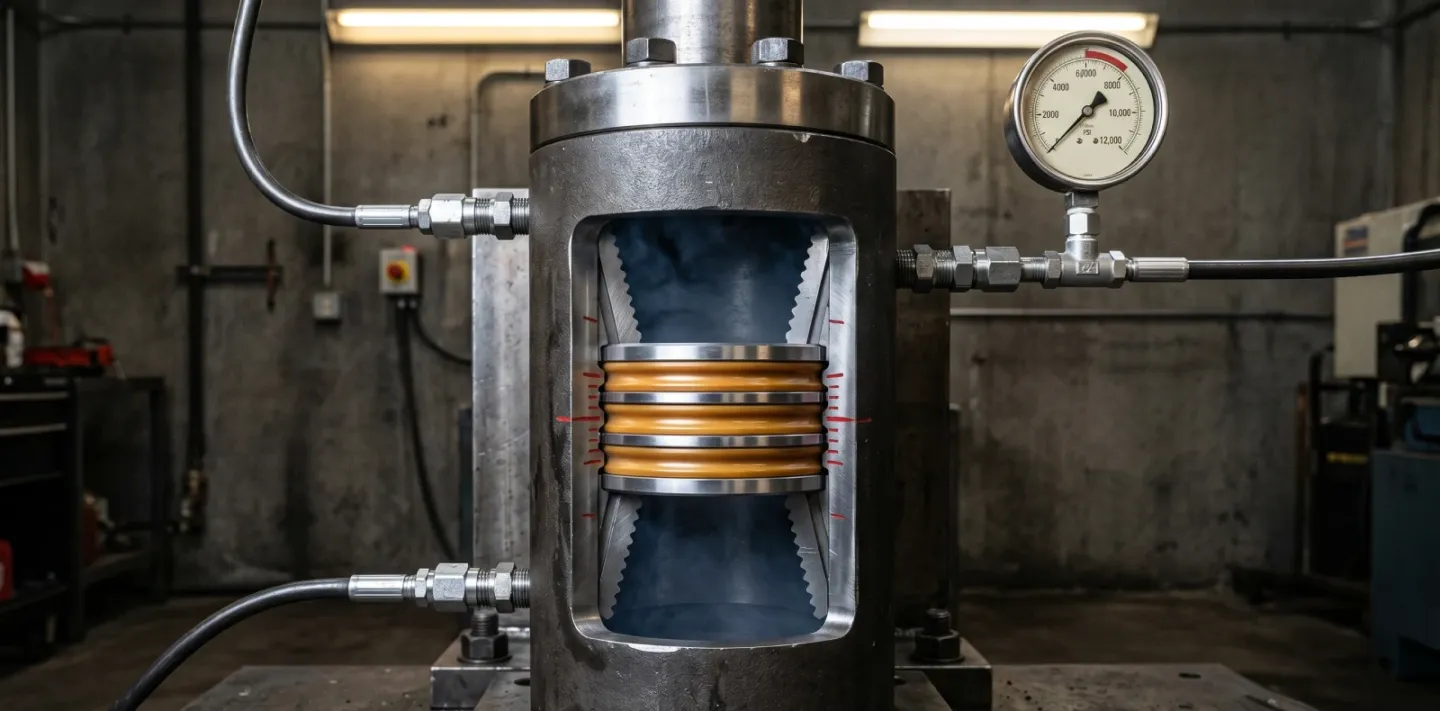
ISO 14310 & API 11D1 Validation Grades: V6 to V0 Explained
Many engineers assume a higher V-number means a tougher packer. It is the opposite. Under ISO 14310 packer validation grades, the scale runs from V6, the minimum, down to V0, the most demanding gas-tight grade — so a lower number means more severe testing, not less. For anyone just trying to understand the basics, that inversion is where most confusion starts.
June 8, 2026
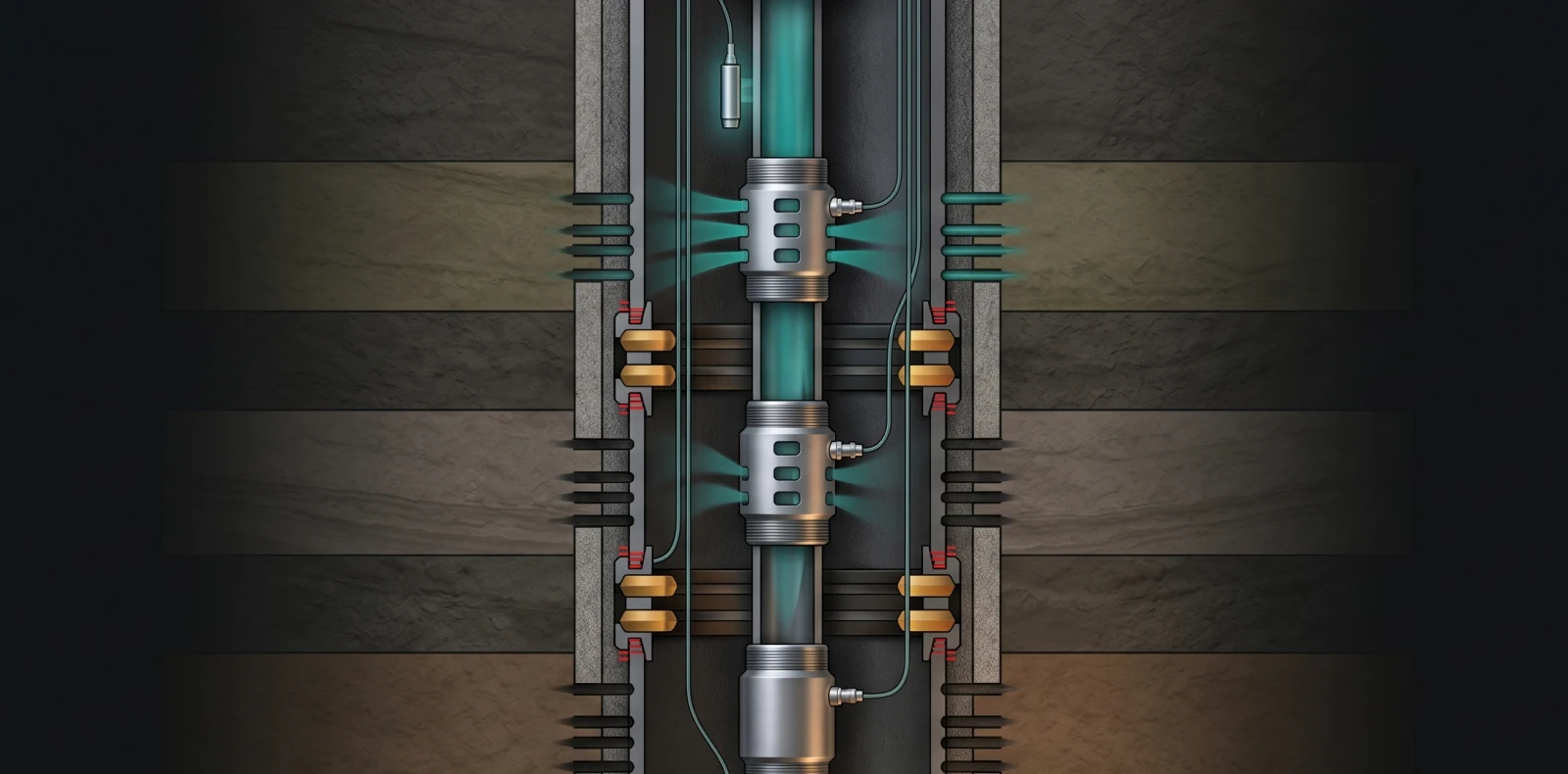
Intelligent Well Completion: Systems, Components and Equipment
Imagine adjusting flow from each zone of a multi-zone reservoir in real time, from surface, without ever sending a rig downhole. That is the promise of intelligent well completion, and for an engineer just trying to understand the basics, the concept is more concrete than the marketing suggests once you see how the pieces connect.
June 8, 2026
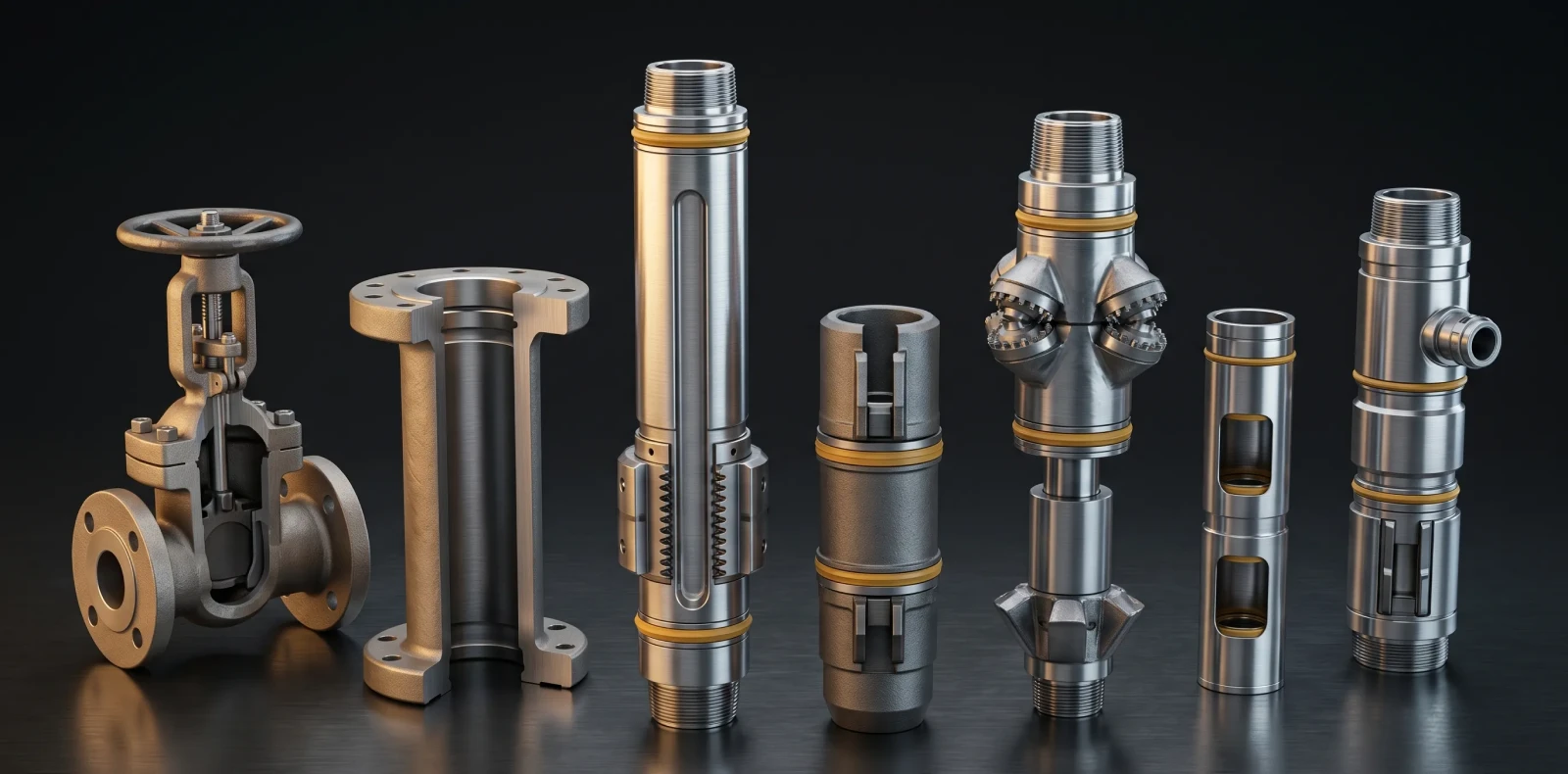
Oil & Gas Equipment Companies in India: Manufacturer Directory 2026
Navigating India's oilfield equipment landscape is challenging without a comprehensive directory, and procurement teams asking "who are the best manufacturers for this?" often lose weeks to vendor research. This directory profiles the key oil and gas equipment companies in India with verified capabilities, so you can build a qualified shortlist faster.
June 8, 2026
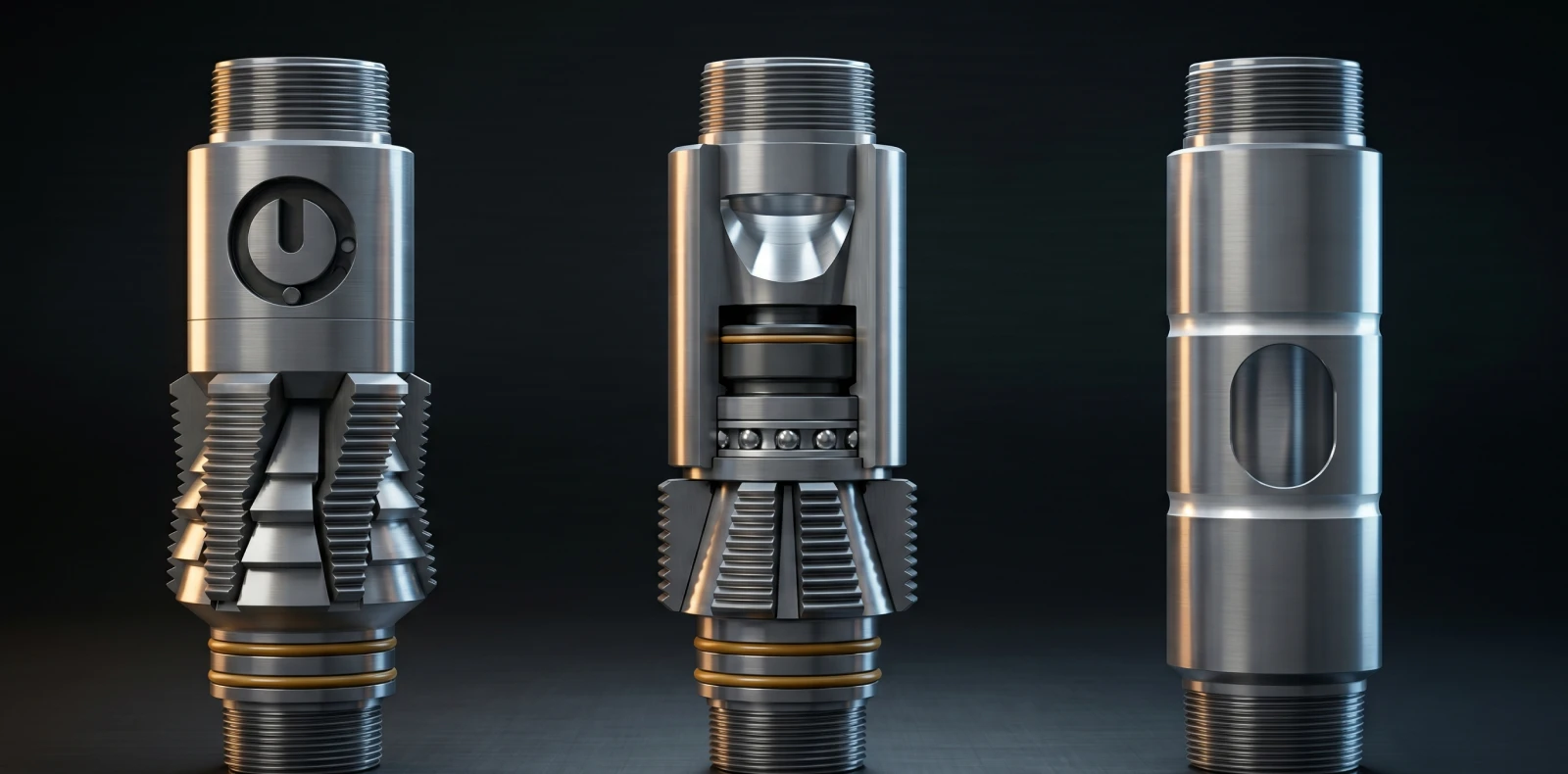
Liner Hanger Types & Selection: Complete Engineering Reference
What type of liner hanger does your well design require? The answer depends on setting depth, liner weight, and whether hydraulic or mechanical actuation suits the hole. For an engineer just trying to understand the basics, the liner hanger types break down into three categories — and knowing how they differ is the first step toward specifying the right one.
June 6, 2026
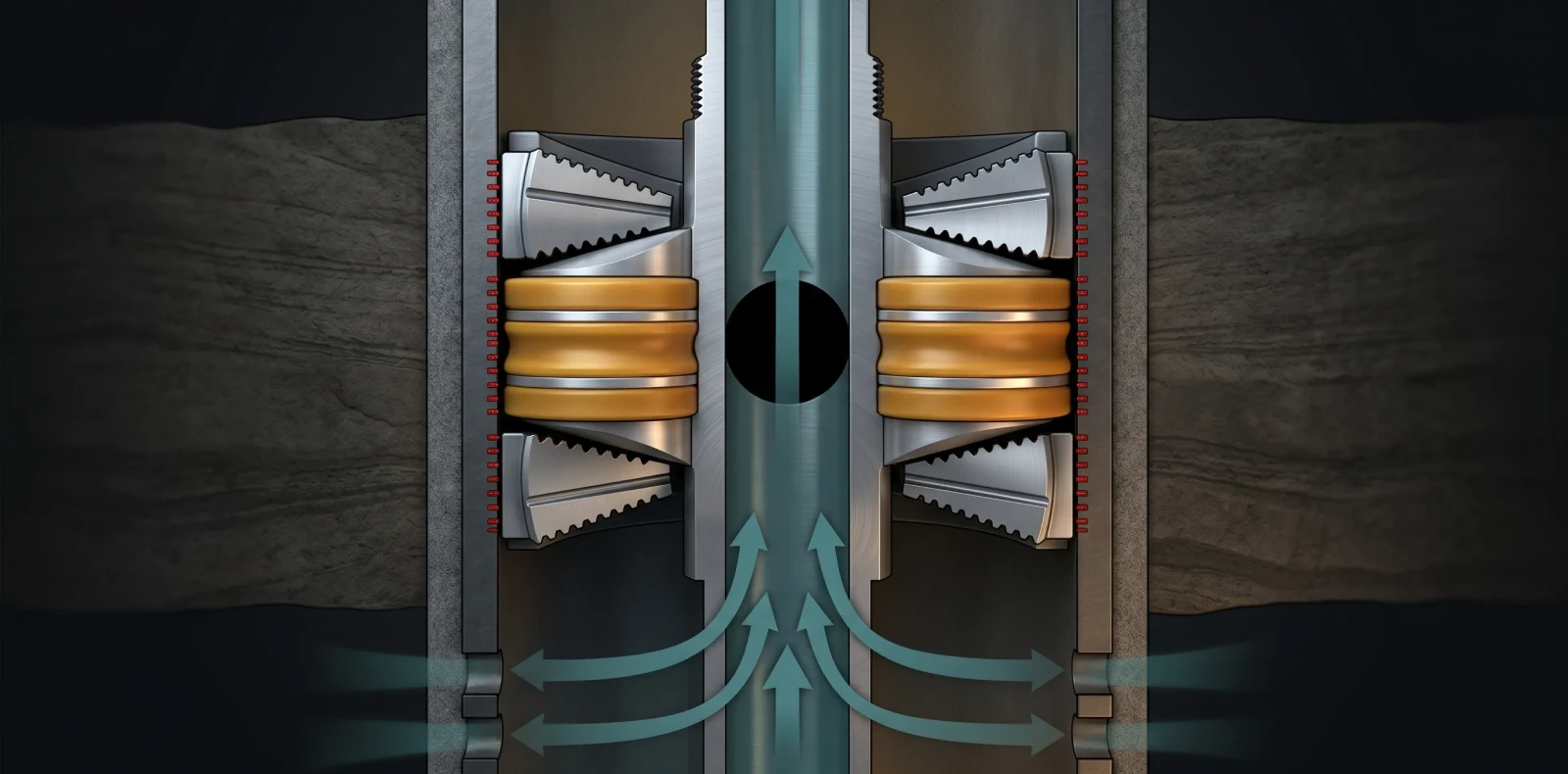
Packer in Well Completion- Functions & How to Select the Right One
Packers are installed in nearly every cased-hole completion worldwide, yet the packer in well completion remains one of the most consequential pieces of downhole hardware to understand. For anyone just trying to understand the basics, the packer is the component that makes controlled production possible by sealing the space between the tubing and the casing.
June 6, 2026
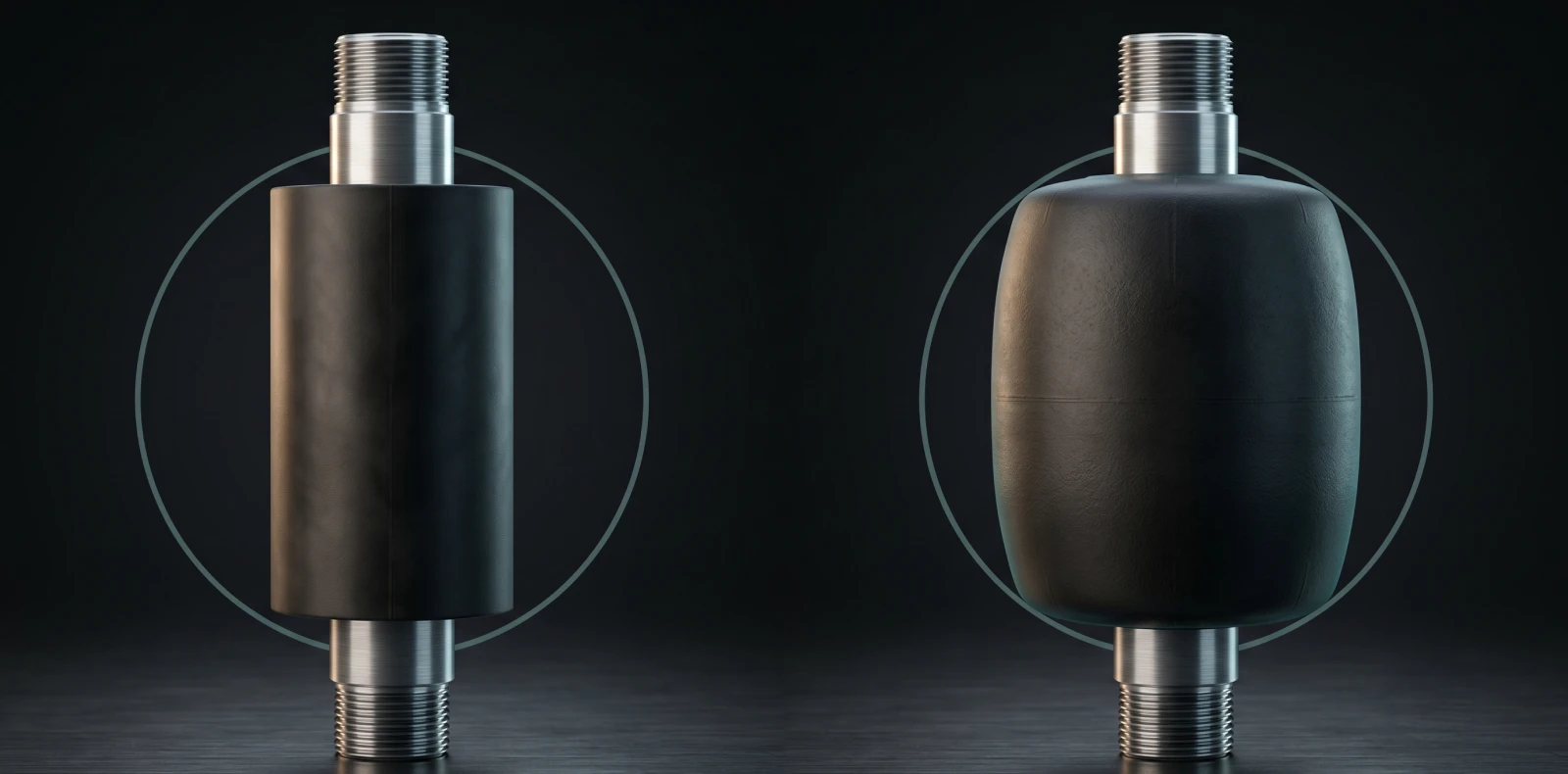
Swellable Packer Applications- Open Hole, HPHT & Water Shutoff Guide
When an operator needs to isolate an open hole section in a horizontal well without cementing, swellable packer applications offer the most direct route to a reliable annular seal. Across open hole zonal isolation, multistage fracturing, and water shutoff, the swellable packer has become the interventionless tool completion engineers reach for when running cement or mechanical packers is impractical or costly
June 6, 2026
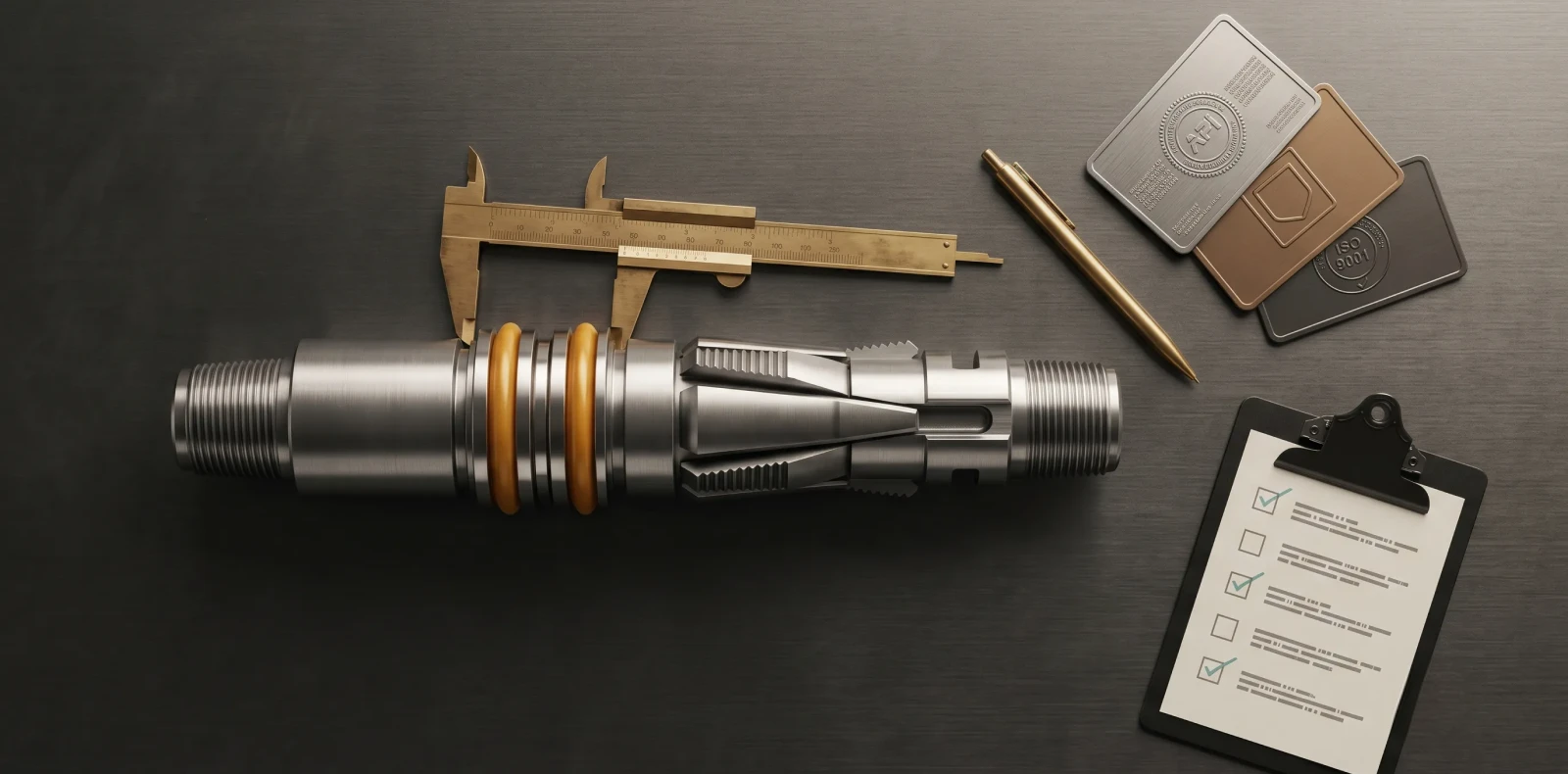
How to Choose an Oilfield Equipment Supplier A Procurement Guide
Choosing the wrong oilfield equipment supplier does not just waste procurement budget; it risks downhole failures that cost ten times the equipment price. Knowing how to choose an oilfield equipment supplier means looking past the catalog and the quotation to the evidence that a vendor can actually deliver safety-critical completion equipment. Procurement engineers who get this right treat the decision as risk management, not purchasing
June 6, 2026
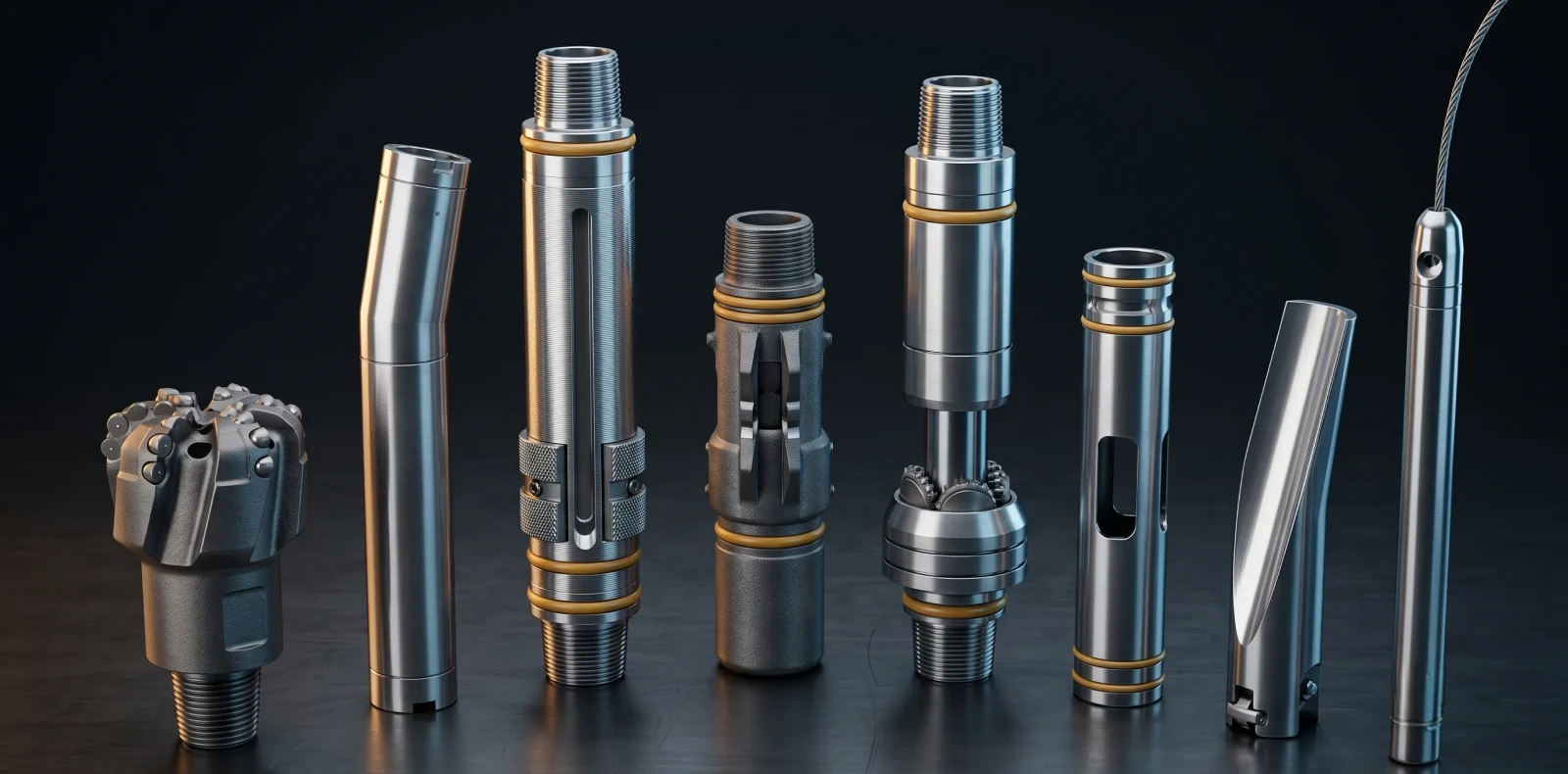
Top Downhole Tool Manufacturers & Suppliers 2026 Global Guide
The global downhole tools market exceeds 5 billion US dollars annually, and the list of companies claiming to serve it is far longer than any procurement team has time to vet. This guide narrows the field: it covers how to evaluate a downhole tool manufacturer, then profiles the global majors, the India-based OEMs, and Maximus OIGA — fairly, with real pros and cons, so you can build an RFQ shortlist without months of vendor research.
June 6, 2026
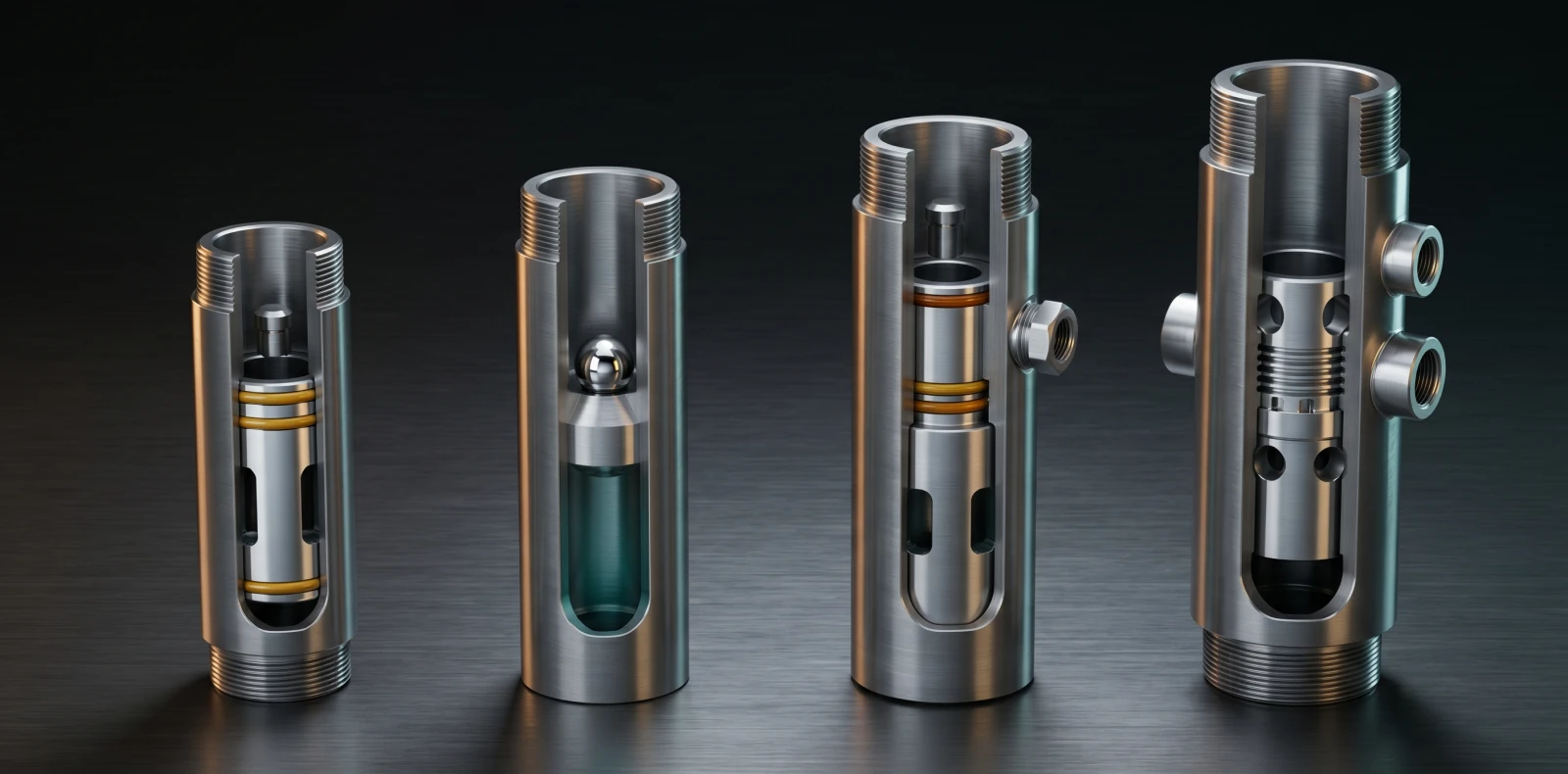
Sliding Sleeve Applications in Well Completion Types & Selection Guide
Sliding sleeves have evolved from simple open/close mechanisms into precision multi-zone flow control devices, and understanding their applications is now central to modern well completion design. This guide covers what a sliding sleeve does, the main types, real downhole applications, and how to select the right one — written for engineers trying to understand the basics and go a level deeper, not for a sales pitch.
June 6, 2026
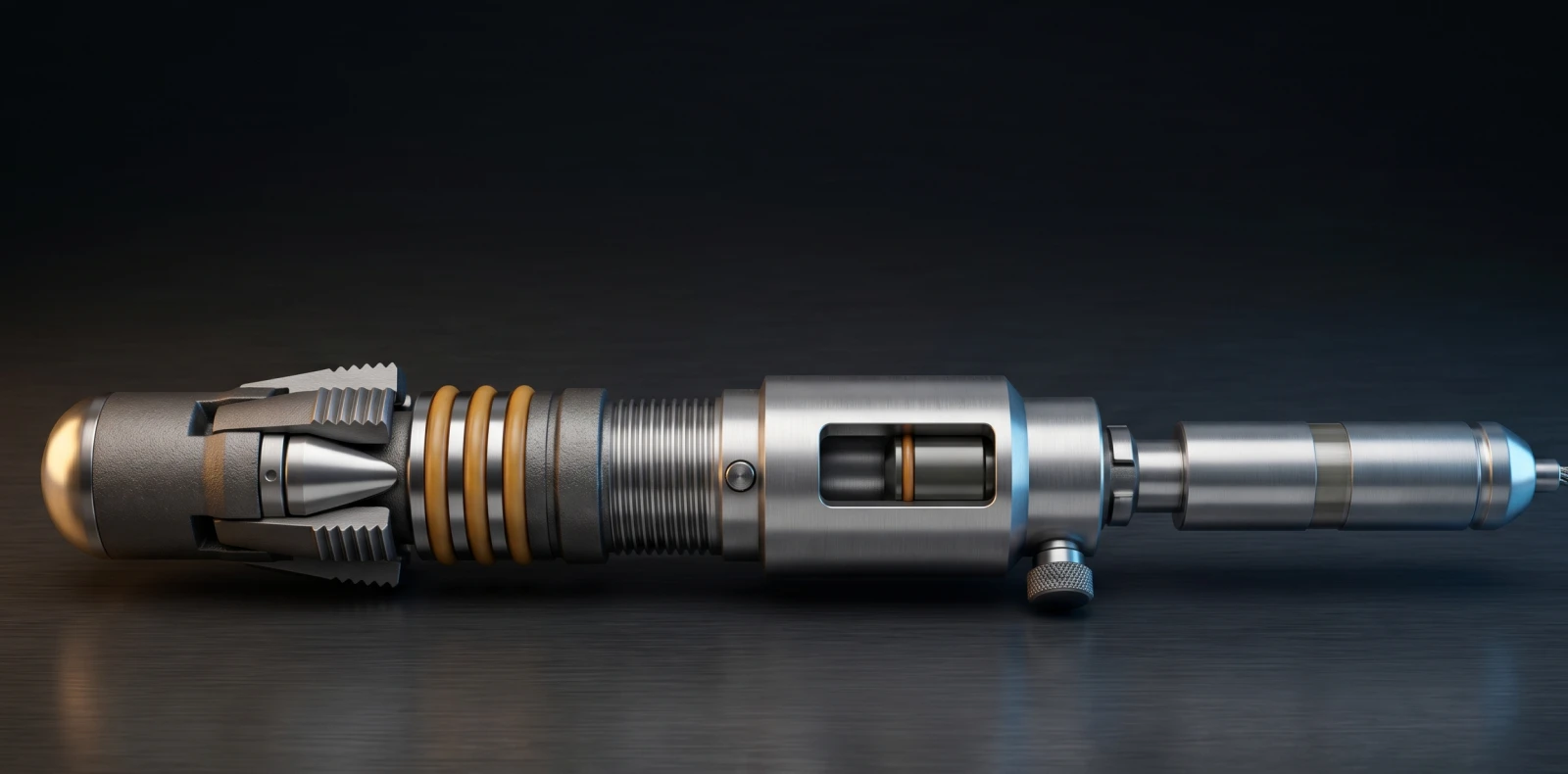
Bridge Plug Setting Procedure Step-by-Step Guide for Wireline Operations
How do you properly set a bridge plug using wireline? This step-by-step procedure covers tool string assembly, depth correlation, setting tool activation, and pressure testing for confirmed well isolation. It is written for field engineers who need the exact sequence right the first time, with 200+ Maximus OIGA installations across India, the Middle East, and Southeast Asia behind it
June 6, 2026