Bridge Plug Types: Permanent, Drillable, Wireline-Set & Composite Compared
The assumption that all types of bridge plugs function the same way has led to costly well isolation failures. A bridge plug (SLB Glossary) is a downhole tool composed of slips, a mandrel, and an elastomer sealing element, set in casing to isolate the lower zone from the upper zone. But the difference between permanent, drillable, wireline-set, and composite plugs determines whether that isolation holds for the life of the well or fails within days.
Whether you are just trying to understand the basics or evaluating bridge plugs for a specific well program, this guide covers classification by function, setting method, and material, with selection criteria for each type.
Why Bridge Plug Type Selection Matters
Selecting the wrong bridge plug type creates non-productive time (NPT) that compounds quickly. Every hour of deepwater rig time costs tens to hundreds of thousands of dollars, and an unreliable barrier means wasted trips, failed completions, and potential well control incidents.
The retrievable bridge plug market is growing, driven by aging wells, plug-and-abandonment (P&A) operations, and horizontal drilling expansion. North America dominates this segment due to shale industry activity and aging well infrastructure. Composite bridge plug adoption is rising (+21% YoY), and dissolvable bridge plugs represent the fastest-growing segment at +29% search volume growth and +80% YoY adoption increase.
Permanent vs Retrievable Bridge Plugs
Permanent bridge plugs provide long-term wellbore isolation for plug-and-abandonment and zone shutoff operations, requiring milling for removal. Retrievable bridge plugs serve as temporary barriers during stimulation, testing, and multi-zone completion, designed for recovery without milling. Both types are manufactured in cast iron and composite configurations by Maximus OIGA.
Permanent bridge plugs are designed for long-term or permanent isolation. Once set, they require milling (drilling out) for removal. Primary applications include well abandonment (P&A), permanent zone shutoff, and serving as a base plug for remedial cementing operations.
Retrievable bridge plugs are designed for temporary isolation and can be pulled without milling. Applications include pressure-pumping operations, multi-zone testing, and temporary zonal Retrievable bridge plugs are designed for temporary isolation and can be pulled without milling. Applications include pressure-pumping operations, multi-zone testing, and temporary zonal isolation during workover. Retrievable plugs eliminate the need for multiple trips, saving rig time and cost. Many production packers can be converted to bridge plugs with minor modifications.
| Feature | Permanent | Retrievable |
| Function | Long-term/permanent wellbore isolation | Temporary barrier for stimulation, testing, workover |
| Removal | Requires milling (drill-out) | Pulled without milling |
| Applications | P&A, permanent zone shutoff, remedial cementing | Multi-zone testing, pressure pumping, temporary isolation |
| Materials | Cast iron (standard), composite (where drill-out speed matters) | Cast iron, composite |
| Setting Method | Wireline, coiled tubing, pipe-conveyed | Wireline (most common), mechanical-set |
| API Qualification | API 11D1 / ISO 14310 V0-V5 | V0-R (retrievable V0 grade) |
Wireline-set retrievable bridge plugs are the most common type for temporary operations, set via a wireline-conveyed setting tool. Mechanical-set retrievable bridge plugs are set via rotation or manipulation of the work string. Omega offers a V0-R rated retrievable bridge plug at 5,000 PSI and 150°C (302°F). Weatherford's ISO-Flex achieves V0-R rating at 5,000 PSI and 275°F with an ultra-narrow OD for thru-tubing deployment.
Drillable Bridge Plugs
Drillable bridge plugs isolate the casing below the zone being treated. Unlike retrievable plugs, drillable plugs do not allow flow through the tool. They are designed to be milled out after completing the intended operation.
Baker Hughes offers four drillable bridge plug models: the QUIK Drill (composite, optimized for multi-zone fracturing), Model N-1 (cast iron, premium performance), Model HMN (hydraulically actuated, high-pressure rated), and Model TV-10 (designed for well abandonment). Halliburton manufactures drillable bridge plugs in metal and composite configurations from 3-1/2 to 20 inches, operating up to 425°F (218.3°C).
SLB's Copperhead drillable bridge and frac plug uses nondegradable aluminum with a rotational lock mechanism and positive engagement clutch that prevents spinning during multi-plug drill-out. API Spec 11D1 (4th Edition, 2021), which is an identical adoption of ISO 14310:2008, governs design verification for all bridge plug types. For the full standard specification, refer to API Spec 11D1 on API.org.
Specialty variants include thru-tubing bridge plugs (TTBP), which seal off the lower zone without retrieving tubing or killing the well, and extra-range bridge plugs, which run through tubing but set in the larger casing below.
Maximus OIGA Bridge Plug Range
Maximus OIGA manufactures both cast iron and composite bridge plugs, providing engineers with the full material range from a single manufacturer. Bridge plugs are the company's second-largest product line after packer systems, and the bridge plug product page is the top-performing page on Google Search Console with 555 impressions.
Maximus OIGA holds API Q1 quality management certification, ISO 14310 design verification, and ISO 9001 quality system certification. The company has completed 200+ installations across India, the Middle East, and Southeast Asia, with an in-house test facility at its Vadodara, Gujarat manufacturing center. Standard bridge plug orders ship within 1 to 4 weeks.
Maximus OIGA is already cited in AI Overview results for related queries, including 'bridge plug vs packer,' demonstrating established authority in the bridge plug product category.
Common Misconceptions About Bridge Plugs
All Bridge Plugs Are the Same
Bridge plugs span four or more distinct types with different setting mechanisms, materials, and application profiles. A wireline-set retrievable plug designed for temporary testing will not provide permanent isolation. A composite plug optimized for fast drill-out in multi-stage fracturing will not match the pressure rating of a cast iron plug in an HPHT well.
Composite Is Always Better Than Cast Iron
Composite bridge plugs excel in multi-stage fracturing where fast drill-out is critical, reducing milling time by up to 60%. Cast iron outperforms in HPHT wells, permanent abandonment, and corrosive environments where maximum pressure and temperature ratings are non-negotiable. The correct material depends on the application, not on a general assumption.
Indian Manufacturers Cannot Match API Standards
Maximus OIGA holds API Q1 and ISO 14310 certification, the same design verification framework used by Halliburton, Baker Hughes, and SLB. Certification is verified by third-party auditors and publicly listed on API's directory.
Frequently Asked Questions: Bridge Plug Types
What is a bridge plug used for in oil and gas?
A bridge plug creates a downhole barrier to isolate the lower part of the wellbore from the upper zone. Primary applications include zonal isolation during hydraulic fracturing (plug and perf), well abandonment (P&A), multi-zone stimulation, selective testing, and remedial cementing. Bridge plugs can be permanent (requiring milling to remove) or retrievable (pulled without milling). Engineers who need to explain this to non-technical stakeholders can describe a bridge plug as a mechanical seal placed inside the well casing to block flow between zones. Maximus OIGA manufactures bridge plugs in cast iron and composite configurations for all major applications.
What are the different types of bridge plugs?
Bridge plugs are classified by function (permanent and retrievable), by material (cast iron, composite, and dissolvable), and by setting method (wireline-set, mechanical-set, hydraulic-set, and pipe-conveyed). Specialty types include thru-tubing bridge plugs (TTBP) that seal off the lower zone without pulling tubing, high-expansion bridge plugs for oversized casing, and extra-range bridge plugs that run through tubing but set in the larger casing below.
What is the difference between a bridge plug and a frac plug?
A bridge plug has a sealed or solid mandrel that provides permanent isolation, blocking flow from both directions. A frac plug has an open mandrel with a ball seat for temporary isolation during fracturing; the ball provides a seal during the frac operation and is removed afterward. Frac plugs are specifically designed for multi-stage horizontal well fracturing. Many manufacturers, including Baker Hughes and SLB, produce combination bridge/frac plugs that are configurable for either application.
How is a bridge plug set in a well?
Bridge plugs are conveyed via wireline, coiled tubing, or threaded pipe depending on plug type and well conditions. In wireline setting, a pressure setting assembly (such as Baker Hughes E-4 or E-5) activates the slips and packing element. The slips expand to grip the casing wall while the packing element compresses to create a seal. For retrievable plugs, operators often spot frac sand or acid-soluble material on top of the plug before cementing to protect it during subsequent operations.
Cast iron or composite bridge plug: which is better?
Neither is universally better. Cast iron is the correct choice for permanent abandonment, HPHT wells, high differential pressure (up to 15,000+ PSI), and corrosive conditions where maximum ratings are required. Composite is the correct choice for multi-stage fracturing (faster drill-out reduces milling time by up to 60%), horizontal wells, and temporary isolation where rapid removal is prioritized. Maximus OIGA manufactures both types, allowing engineers to select the optimal material for each application from a single certified manufacturer.
Related
- ISO 14310 & API 11D1 Validation Grades: V6 to V0 Explained
- Intelligent Well Completion: Systems, Components and Equipment
- Oil & Gas Equipment Companies in India: Manufacturer Directory 2026
- Liner Hanger Types & Selection: Complete Engineering Reference
- Packer in Well Completion- Functions & How to Select the Right One
- Swellable Packer Applications- Open Hole, HPHT & Water Shutoff Guide
- How to Choose an Oilfield Equipment Supplier A Procurement Guide
- Top Downhole Tool Manufacturers & Suppliers 2026 Global Guide
- Sliding Sleeve Applications in Well Completion Types & Selection Guide
- Bridge Plug Setting Procedure Step-by-Step Guide for Wireline Operations
More Information
Related News & Insights
ISO 14310 & API 11D1 Validation Grades: V6 to V0 Explained
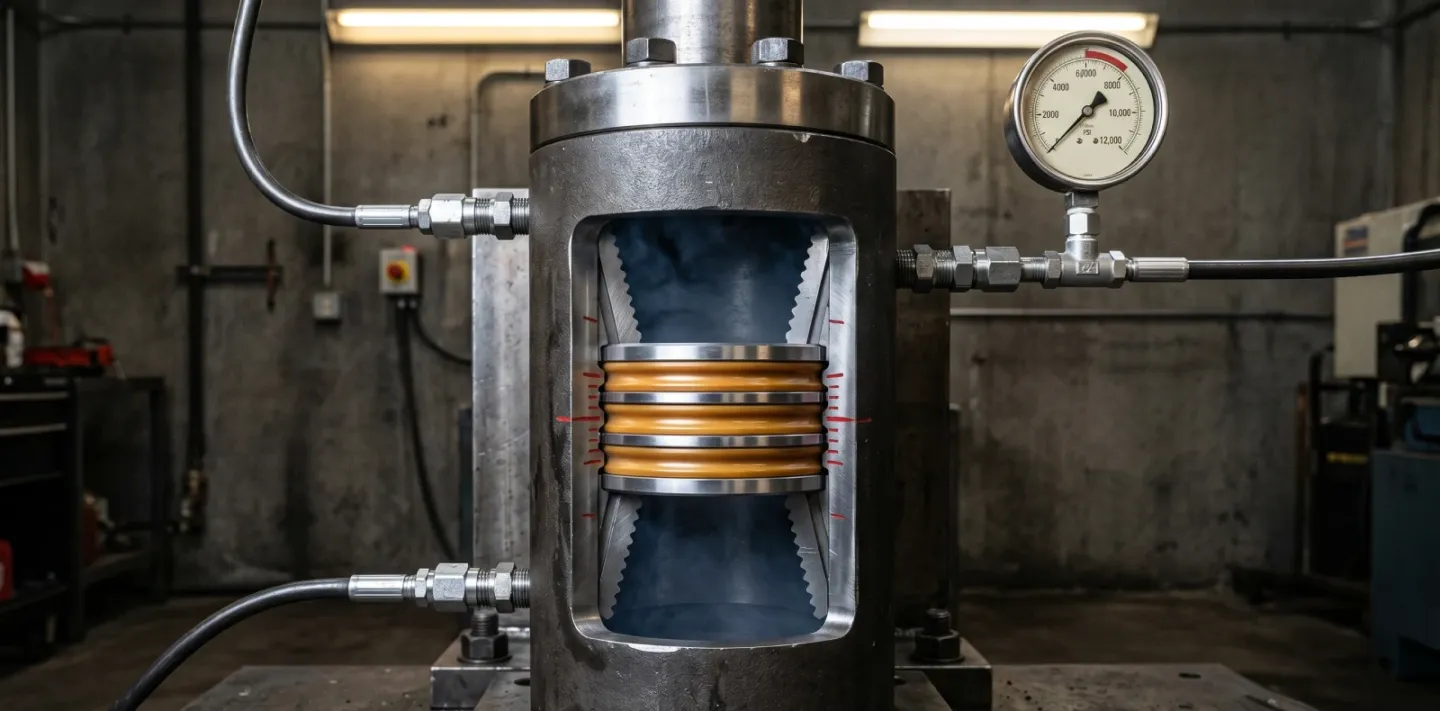
Many engineers assume a higher V-number means a tougher packer. It is the opposite. Under ISO 14310 packer validation grades, the scale runs from V6, the minimum, down to V0, the most demanding gas-tight grade — so a lower number means more severe testing, not less. For anyone just trying to understand the basics, that inversion is where most confusion starts.
June 8, 2026
Intelligent Well Completion: Systems, Components and Equipment
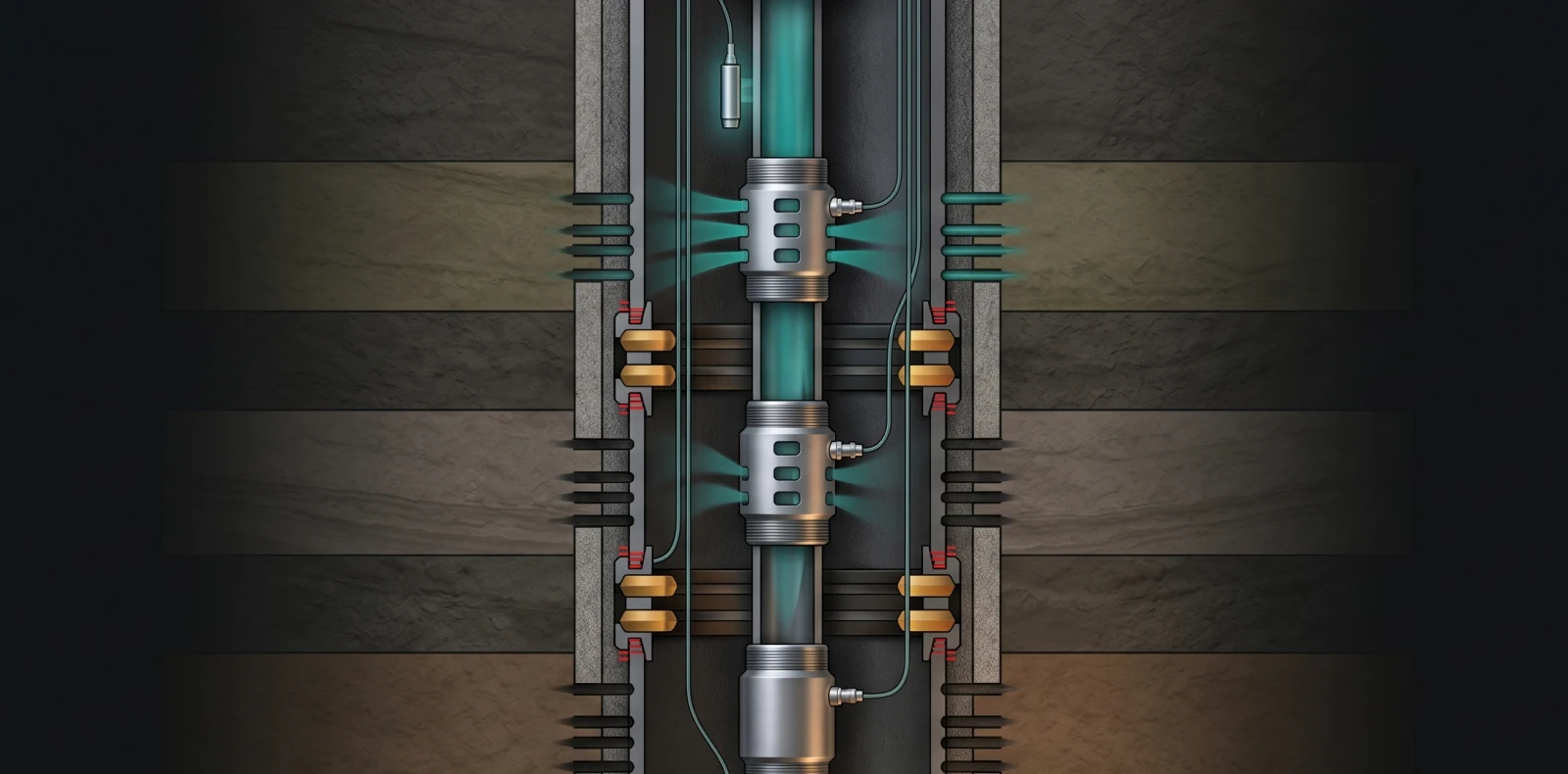
Imagine adjusting flow from each zone of a multi-zone reservoir in real time, from surface, without ever sending a rig downhole. That is the promise of intelligent well completion, and for an engineer just trying to understand the basics, the concept is more concrete than the marketing suggests once you see how the pieces connect.
June 8, 2026
Oil & Gas Equipment Companies in India: Manufacturer Directory 2026
Navigating India's oilfield equipment landscape is challenging without a comprehensive directory, and procurement teams asking "who are the best manufacturers for this?" often lose weeks to vendor research. This directory profiles the key oil and gas equipment companies in India with verified capabilities, so you can build a qualified shortlist faster.
June 8, 2026
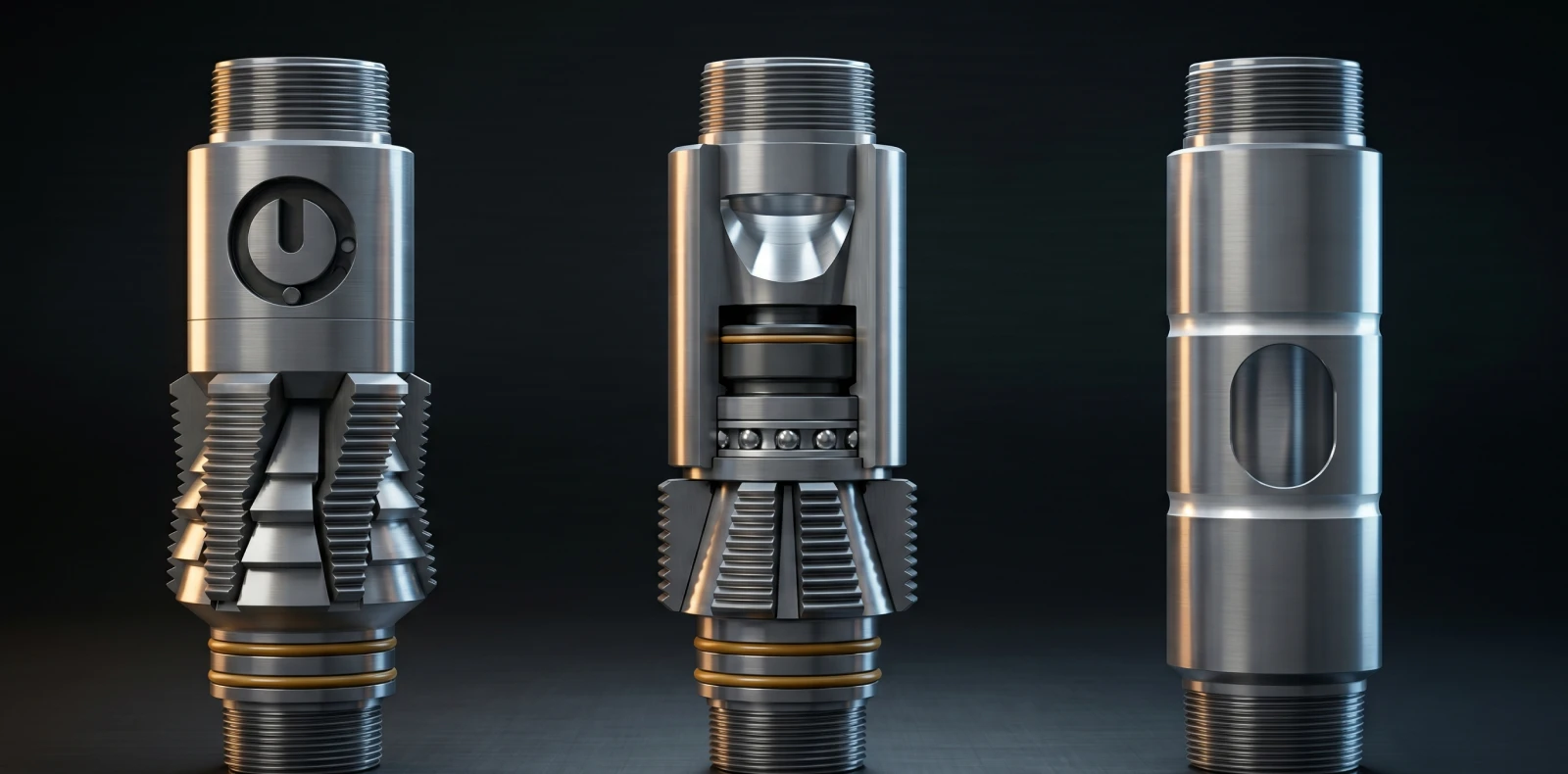
Liner Hanger Types & Selection: Complete Engineering Reference
What type of liner hanger does your well design require? The answer depends on setting depth, liner weight, and whether hydraulic or mechanical actuation suits the hole. For an engineer just trying to understand the basics, the liner hanger types break down into three categories — and knowing how they differ is the first step toward specifying the right one.
June 6, 2026
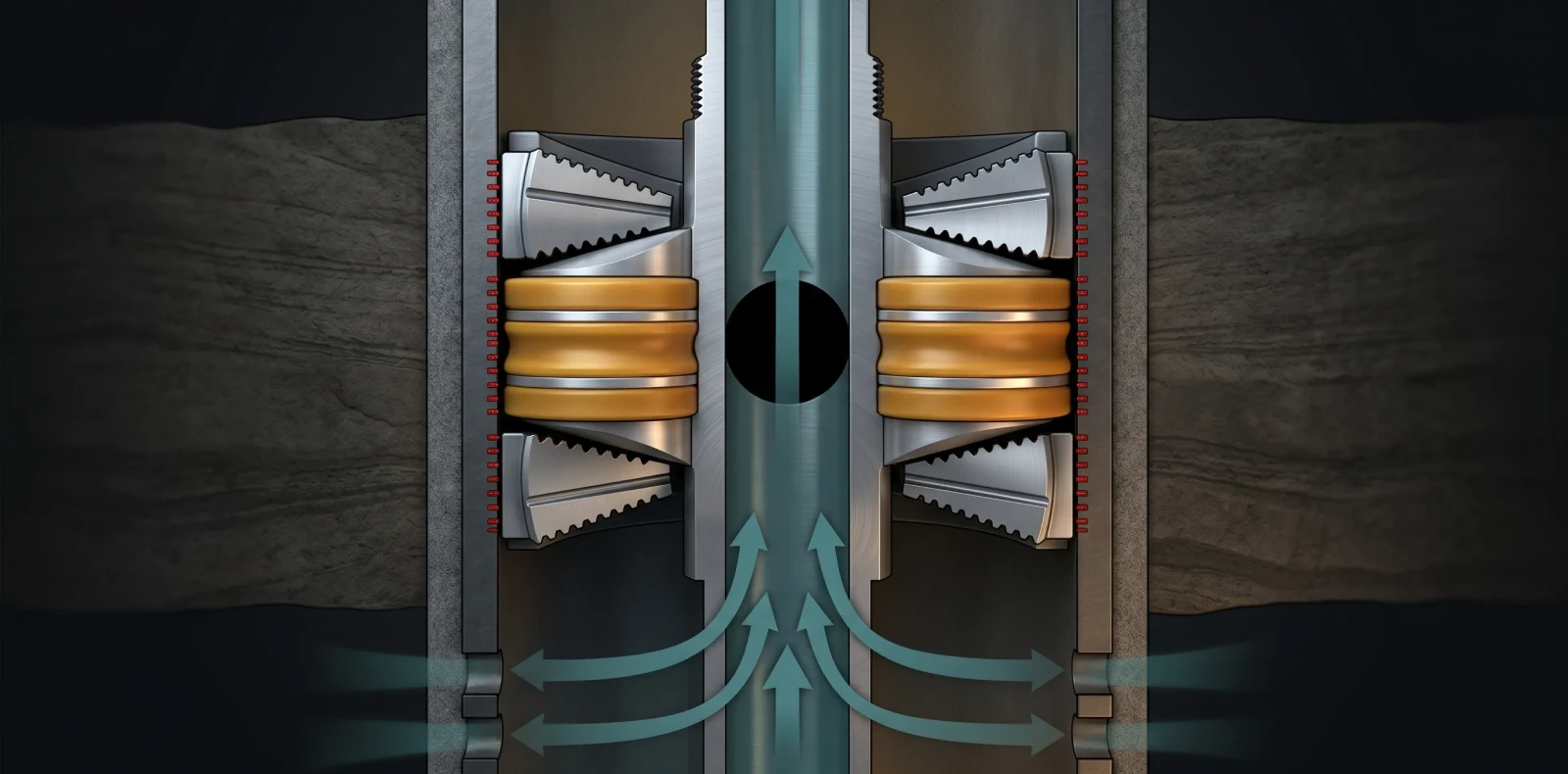
Packer in Well Completion- Functions & How to Select the Right One
Packers are installed in nearly every cased-hole completion worldwide, yet the packer in well completion remains one of the most consequential pieces of downhole hardware to understand. For anyone just trying to understand the basics, the packer is the component that makes controlled production possible by sealing the space between the tubing and the casing.
June 6, 2026
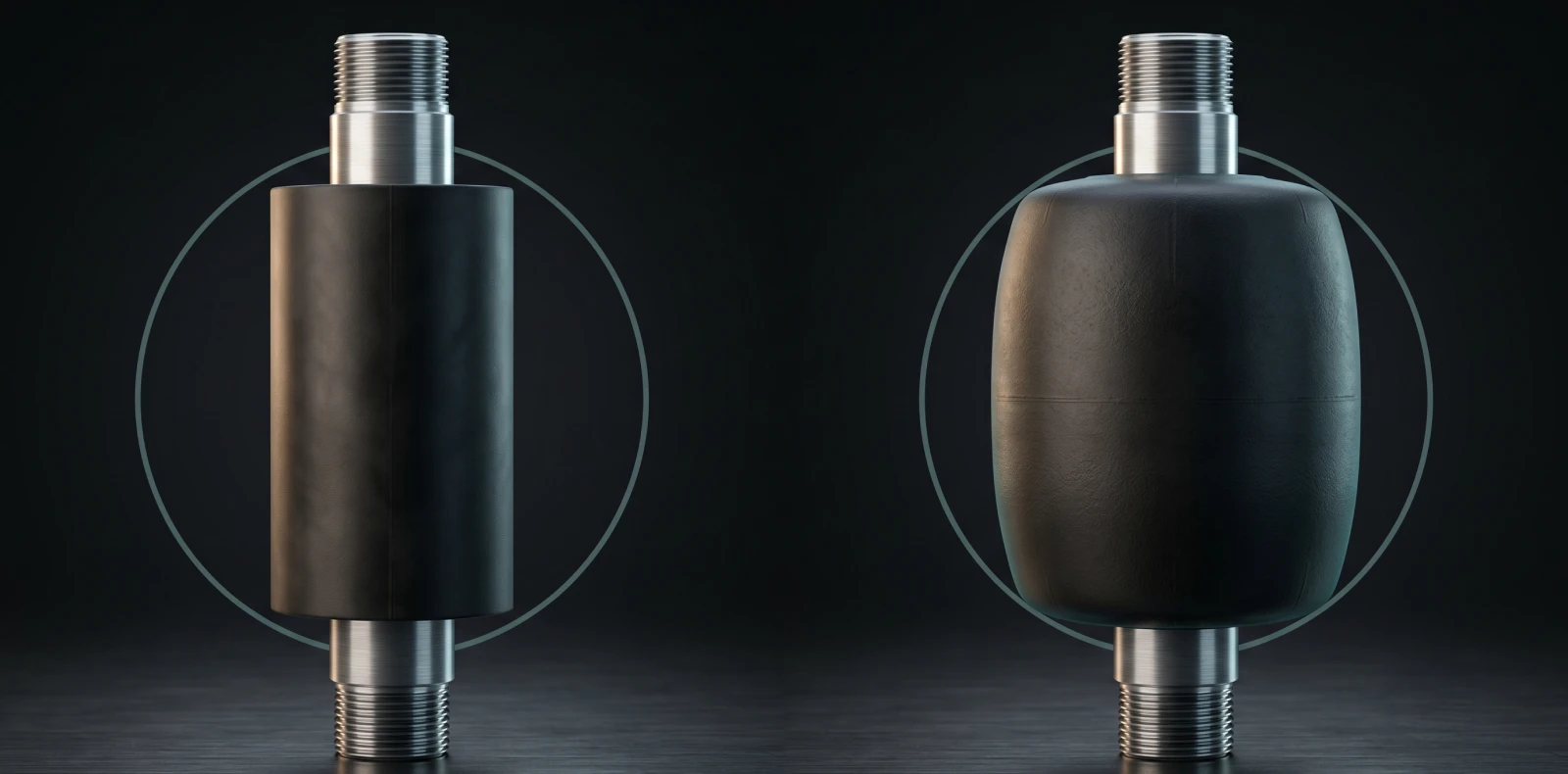
Swellable Packer Applications- Open Hole, HPHT & Water Shutoff Guide
When an operator needs to isolate an open hole section in a horizontal well without cementing, swellable packer applications offer the most direct route to a reliable annular seal. Across open hole zonal isolation, multistage fracturing, and water shutoff, the swellable packer has become the interventionless tool completion engineers reach for when running cement or mechanical packers is impractical or costly
June 6, 2026
How to Choose an Oilfield Equipment Supplier A Procurement Guide
Choosing the wrong oilfield equipment supplier does not just waste procurement budget; it risks downhole failures that cost ten times the equipment price. Knowing how to choose an oilfield equipment supplier means looking past the catalog and the quotation to the evidence that a vendor can actually deliver safety-critical completion equipment. Procurement engineers who get this right treat the decision as risk management, not purchasing
June 6, 2026
Top Downhole Tool Manufacturers & Suppliers 2026 Global Guide
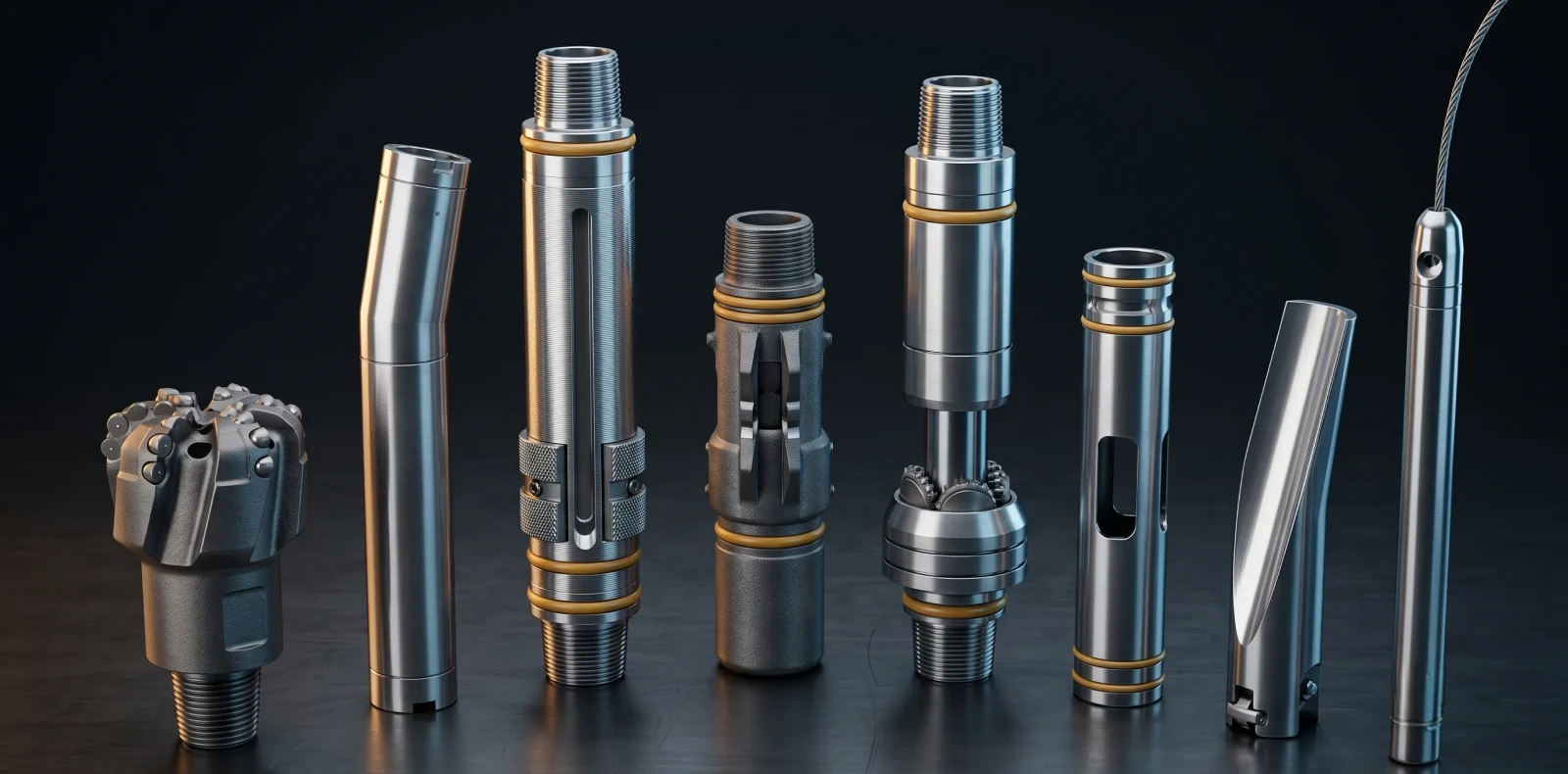
The global downhole tools market exceeds 5 billion US dollars annually, and the list of companies claiming to serve it is far longer than any procurement team has time to vet. This guide narrows the field: it covers how to evaluate a downhole tool manufacturer, then profiles the global majors, the India-based OEMs, and Maximus OIGA — fairly, with real pros and cons, so you can build an RFQ shortlist without months of vendor research.
June 6, 2026
Sliding Sleeve Applications in Well Completion Types & Selection Guide
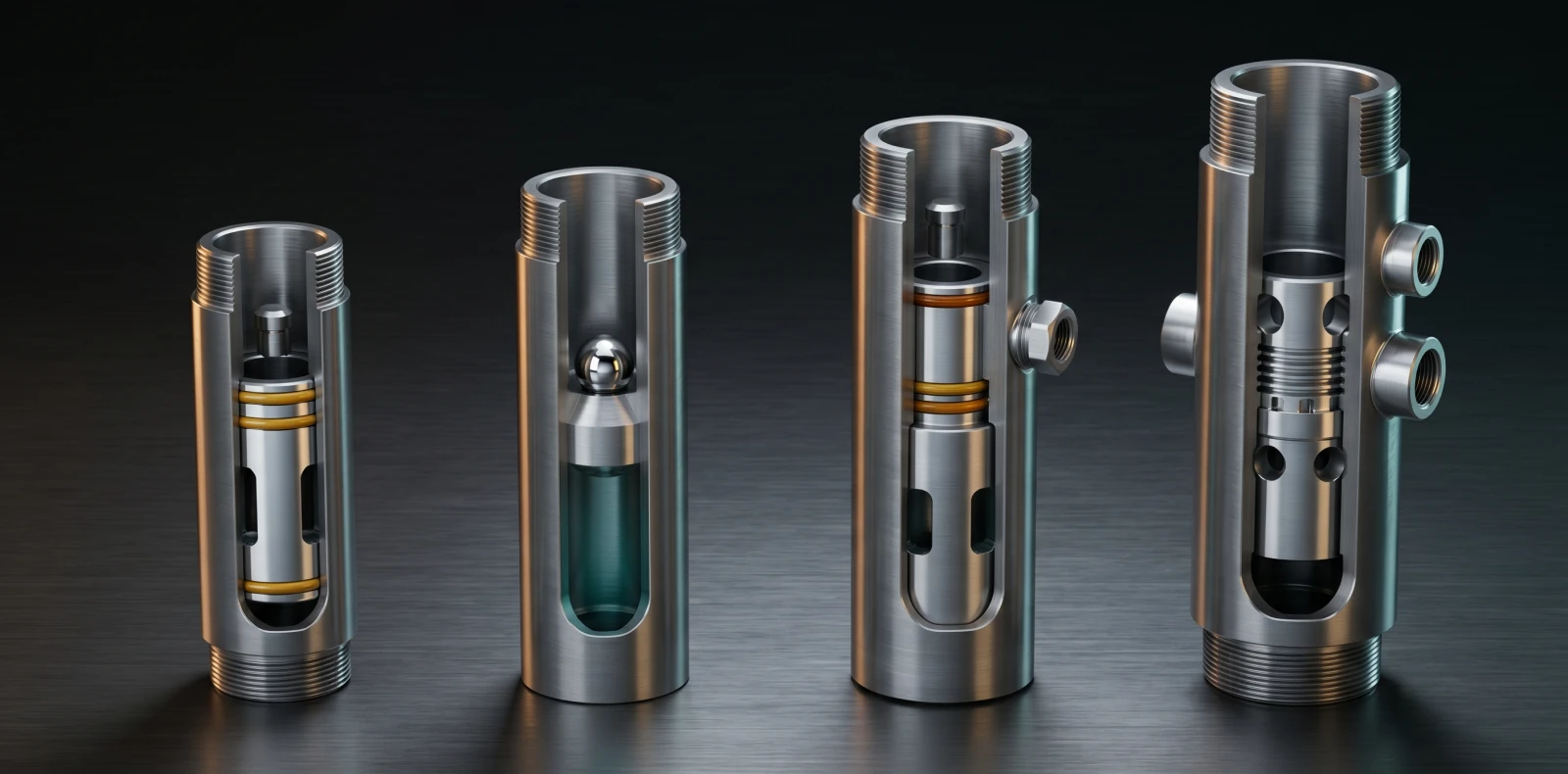
Sliding sleeves have evolved from simple open/close mechanisms into precision multi-zone flow control devices, and understanding their applications is now central to modern well completion design. This guide covers what a sliding sleeve does, the main types, real downhole applications, and how to select the right one — written for engineers trying to understand the basics and go a level deeper, not for a sales pitch.
June 6, 2026
Bridge Plug Setting Procedure Step-by-Step Guide for Wireline Operations
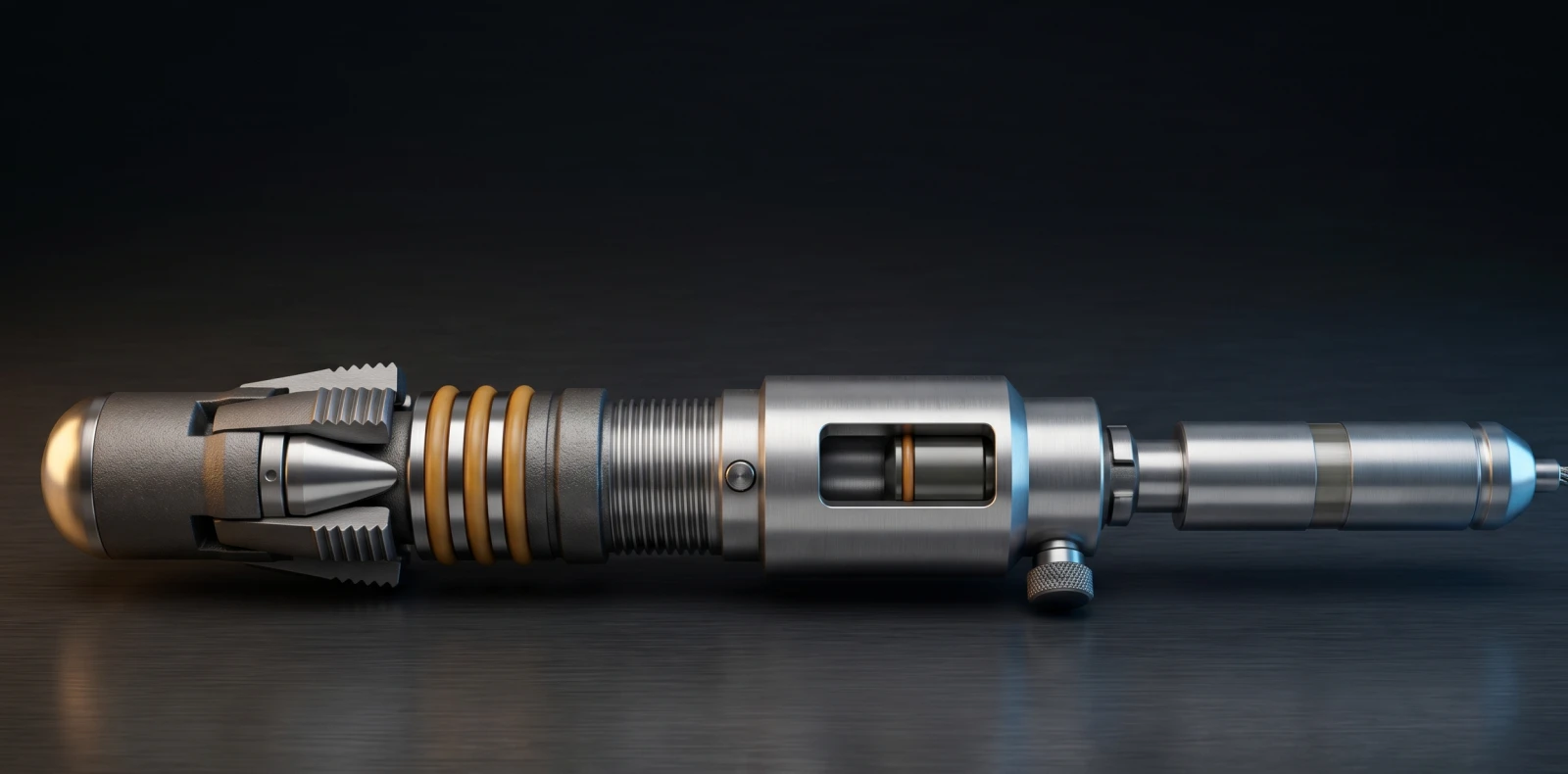
How do you properly set a bridge plug using wireline? This step-by-step procedure covers tool string assembly, depth correlation, setting tool activation, and pressure testing for confirmed well isolation. It is written for field engineers who need the exact sequence right the first time, with 200+ Maximus OIGA installations across India, the Middle East, and Southeast Asia behind it
June 6, 2026