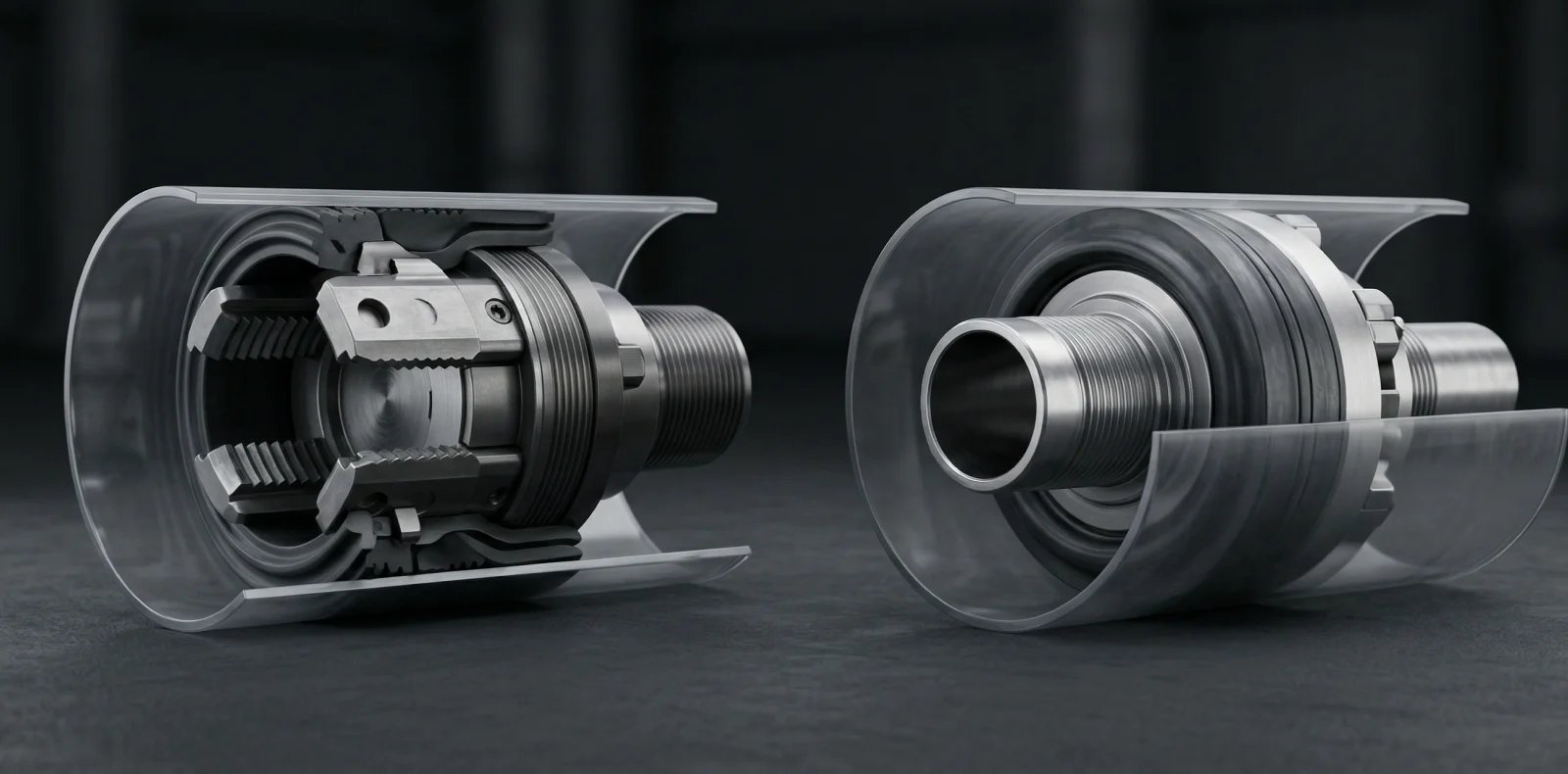
Bridge Plug vs Packer- Key Differences Applications & Selection Guide
Bridge plugs provide permanent or temporary well isolation by sealing the entire wellbore cross-section. Packers provide annular sealing between tubing and casing while maintaining bore access for production. For zone abandonment and pressure testing, choose a bridge plug. For production isolation, injection, and stimulation through tubing, choose a packer.
Engineers asking "What's the difference and which one do I need?" will find the structured comparison below. Both tools are governed by API 11D1 (4th Edition) and ISO 14310, but they solve fundamentally different problems in well completion design.
Bridge Plug vs Packer: Side-by-Side Comparison
Bridge plugs isolate the entire wellbore cross-section and are set by wireline, coiled tubing, or pipe. Packers isolate the annulus while maintaining tubing access. Bridge plugs are rated to 10,000-15,000 PSI differential; production packers typically handle 5,000-15,000 PSI. Both are manufactured and tested to API Spec 11D1 design verification grades V0 through V5.
| Criteria | Bridge Plug | Packer |
| Primary Function | Full bore isolation - blocks entire wellbore cross-section | Annular sealing - isolates space between tubing and casing |
| Bore Access After Setting | NO - blocks bore completely | YES - tubing passes through for production/injection |
| Setting Method | Wireline, coiled tubing, or pipe conveyed | Tubing manipulation (mechanical), pump pressure (hydraulic), or wireline |
| Typical Pressure Rating | 5,000-15,000 PSI differential | 5,000-15,000 PSI differential |
| Temperature Rating | Up to 400°F+ for HPHT models | Up to 400°F+ for HPHT/thermal models |
| Material Options | Cast iron (drillable), composite (drillable, no milling), dissolvable | Steel body + elastomer elements (Nitrile, Viton/FKM, HNBR, FFKM) |
| Retrieval | Drillable (cast iron), retrievable (composite), or dissolvable | Retrievable or permanent |
| Key Applications | Well abandonment (P&A), zone isolation, pressure testing, temporary suspension | Production isolation, gas lift, water injection, stimulation, SAGD, geothermal |
| API Standard | API 11D1 / ISO 14310 | API 11D1 / ISO 14310 |
| Typical Casing Sizes | 4-1/2" to 9-5/8" | 4-1/2" to 9-5/8" |
Both bridge plugs and packers are tested to API Spec 11D1 design verification grades. V0 represents the highest classification (zero gas leakage at maximum rated conditions), while V5 represents basic qualification. For critical well isolation applications, specify V0-rated equipment from a certified manufacturer.
Bridge Plug: How It Works, Specifications & Applications
A bridge plug creates a full-bore mechanical barrier across the wellbore, blocking all fluid flow above or below the set point. Unlike a packer, no tubing passes through a bridge plug. It functions as a downhole wall.
Bridge plugs are available in three material categories. Cast iron bridge plugs deliver maximum pressure ratings and are the standard for permanent well abandonment (P&A). They require milling to remove, which takes hours and generates metallic debris. Composite bridge plugs enable faster drillout in minutes without milling operations, producing no metallic debris. Dissolvable bridge plugs dissolve in wellbore fluid over time, eliminating the need for any intervention.
Setting methods include wireline (most common), coiled tubing, and pipe conveyed deployment. Industry benchmarks include the Weatherford ISO-Flex (API 11D1 V0-R, 5,000 PSI at 275°F) and the Omega V-Zero (API 11D1 V0, 5,000 PSI at 150°C) with bi-directional slips. Halliburton retrievable bridge plugs provide gas-tight seals with API 11D1 qualification.
For bridge plug specifications and field performance data from Halliburton, see well suspension tools.
Maximus OIGA manufactures cast iron and composite bridge plugs for permanent and temporary well isolation. Cast iron bridge plugs provide maximum pressure ratings for permanent abandonment. Composite bridge plugs enable faster drillout without milling operations. Both types are tested to API 11D1 and available in sizes from 4-1/2 inch to 9-5/8 inch.
Pros: Full-bore isolation with zero bypass. Cast iron provides proven permanent barrier. Composite reduces intervention time. Multiple material options for different well life requirements.
Cons: No tubing access after setting. Cast iron requires milling to remove. Dissolvable plugs have limited temperature and pressure windows.
Applications: well abandonment (P&A), zone isolation during stimulation, pressure testing barriers, temporary well suspension.
Packer: How It Works, Specifications & Applications
A packer seals the annular space between tubing and casing while maintaining full bore access through the tubing string. This allows production, injection, or stimulation operations to continue through the tubing above and below the packer.
Packers are classified as permanent (set once, not retrievable), retrievable (can be removed for well intervention), or hybrid (permanent/retrievable). Setting mechanisms include mechanical (tubing rotation or manipulation), hydraulic (pump pressure applied through tubing), and wireline (electrically set).
Packer elements use elastomer compounds matched to well conditions: Nitrile (to 300°F), HNBR (to 350°F), Viton/FKM (to 400°F), and FFKM/Kalrez (to 450°F+). Element hardness typically uses a 90-70-90 Shore A combination for optimal sealing. Anti-extrusion metallic backup rings are required for high-pressure applications. For detailed packer type and selection references, see completion packers reference.
Production packers isolate zones for selective production while maintaining tubing access for wireline or coiled tubing intervention. Thermal packers (such as the Maximus OIGA SpectraMax, rated 400°F+ continuous) are designed for SAGD and geothermal applications where sustained high temperatures degrade standard elastomers.
Pros: Maintains tubing access for production and intervention. Available in permanent, retrievable, and hybrid configurations. Wide elastomer range for temperature matching.
Cons: Does not provide full-bore isolation (annular seal only). Elastomer elements degrade over time under sustained thermal or chemical exposure. Retrievable packers have lower pressure ratings than permanent designs.
Applications: production isolation, gas lift, water injection, stimulation, SAGD, geothermal, multi-zone completion.
When to Use a Bridge Plug vs Packer: Decision Framework
The choice between a bridge plug and a packer depends on whether your application requires full wellbore sealing or annular isolation with continued tubing access. Engineers asking "Which performs better in my specific conditions?" should match their well objective to the decision framework below.
Choose a BRIDGE PLUG when: the objective is full-bore isolation with no tubing access required. This includes well abandonment (P&A), zone isolation during stimulation, pressure testing as a barrier, and temporary well suspension. For permanent abandonment, specify cast iron. For temporary isolation with fast drillout, specify composite.
Choose a PACKER when: the objective is annular isolation while maintaining tubing access for production, injection, or intervention. This includes production isolation, gas lift installations, water injection programs, stimulation operations, SAGD completions, and geothermal wells.
Choose BOTH when: the completion design requires a bottom barrier (bridge plug below the lowest zone) plus selective zone isolation above (packer between producing zones). Stacked packer-and-plug configurations are standard in completions with two or more producing zones.
This framework is structured so engineers can justify the selection to technical managers and procurement committees. The decision is application-driven, not product-driven.
FAQ: Bridge Plug vs Packer
ns: pressure rating, temperature, casing size, well deviation, and corrosive environment. Determine retrieval needs: permanent (cast iron bridge plug or permanent packer), retrievable, or dissolvable. Verify certification: API 11D1 grade V0 provides zero gas leakage, V3 allows gas leak rate within tolerance. Contact Maximus OIGA engineers with your well data for a recommended configuration.
Related
- ISO 14310 & API 11D1 Validation Grades: V6 to V0 Explained
- Intelligent Well Completion: Systems, Components and Equipment
- Oil & Gas Equipment Companies in India: Manufacturer Directory 2026
- Liner Hanger Types & Selection: Complete Engineering Reference
- Packer in Well Completion- Functions & How to Select the Right One
- Swellable Packer Applications- Open Hole, HPHT & Water Shutoff Guide
- How to Choose an Oilfield Equipment Supplier A Procurement Guide
- Top Downhole Tool Manufacturers & Suppliers 2026 Global Guide
- Sliding Sleeve Applications in Well Completion Types & Selection Guide
- Bridge Plug Setting Procedure Step-by-Step Guide for Wireline Operations
More Information
Related News & Insights
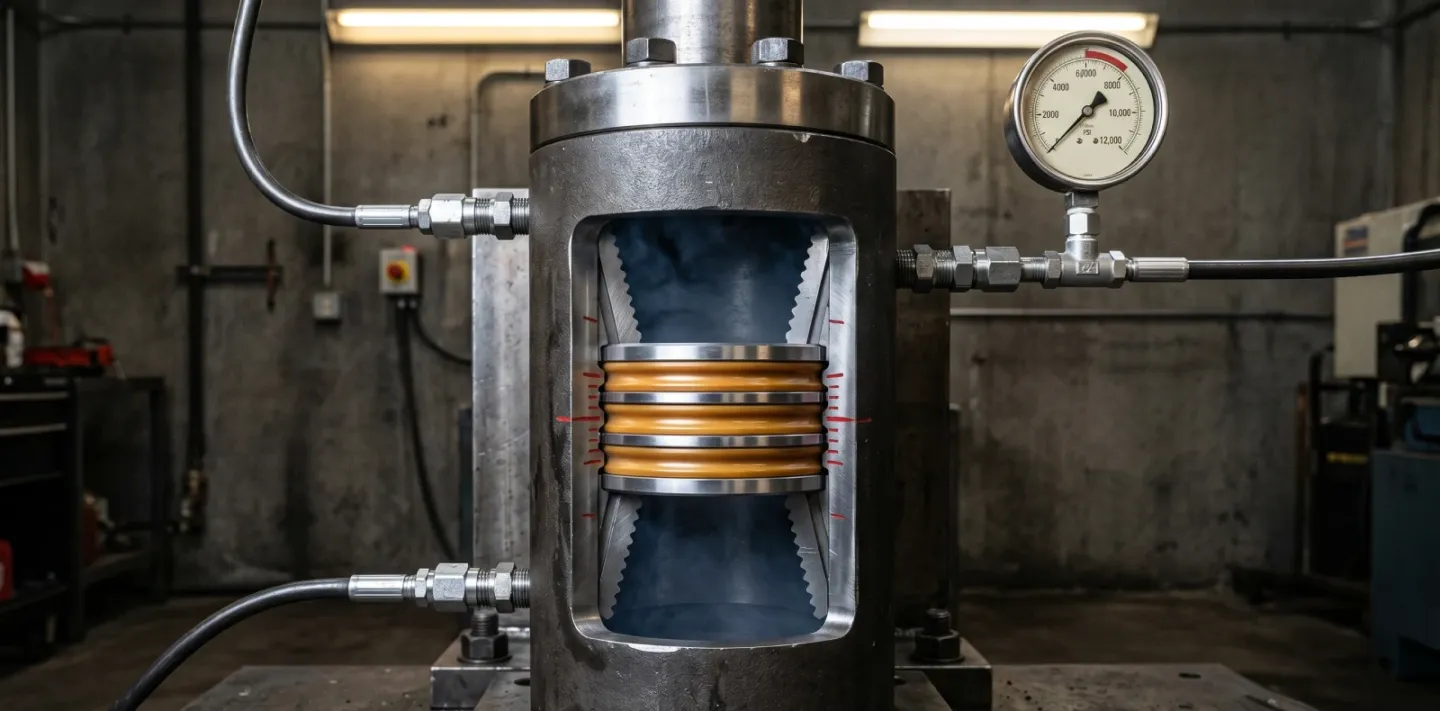
ISO 14310 & API 11D1 Validation Grades: V6 to V0 Explained
Many engineers assume a higher V-number means a tougher packer. It is the opposite. Under ISO 14310 packer validation grades, the scale runs from V6, the minimum, down to V0, the most demanding gas-tight grade — so a lower number means more severe testing, not less. For anyone just trying to understand the basics, that inversion is where most confusion starts.
June 8, 2026
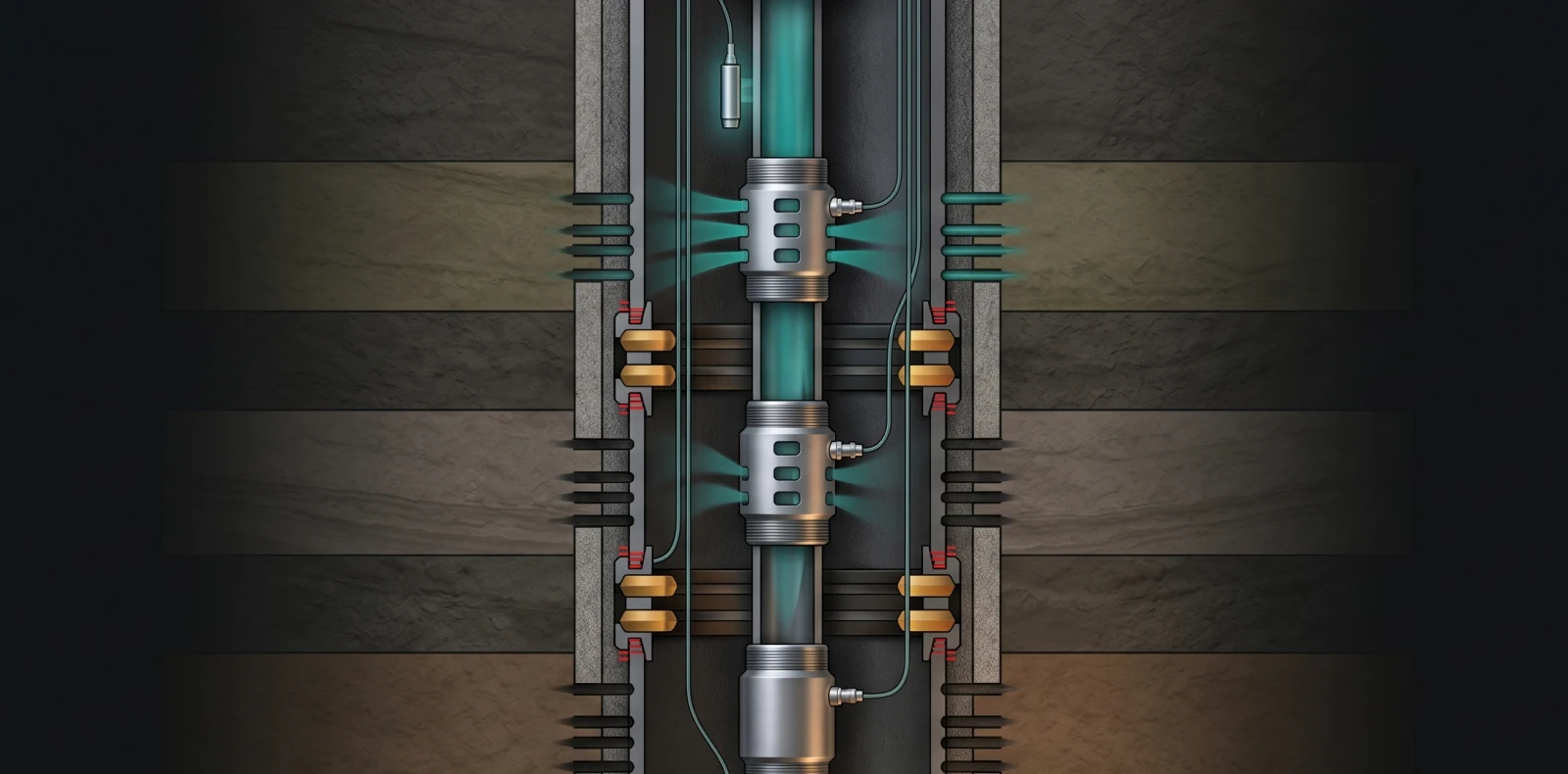
Intelligent Well Completion: Systems, Components and Equipment
Imagine adjusting flow from each zone of a multi-zone reservoir in real time, from surface, without ever sending a rig downhole. That is the promise of intelligent well completion, and for an engineer just trying to understand the basics, the concept is more concrete than the marketing suggests once you see how the pieces connect.
June 8, 2026
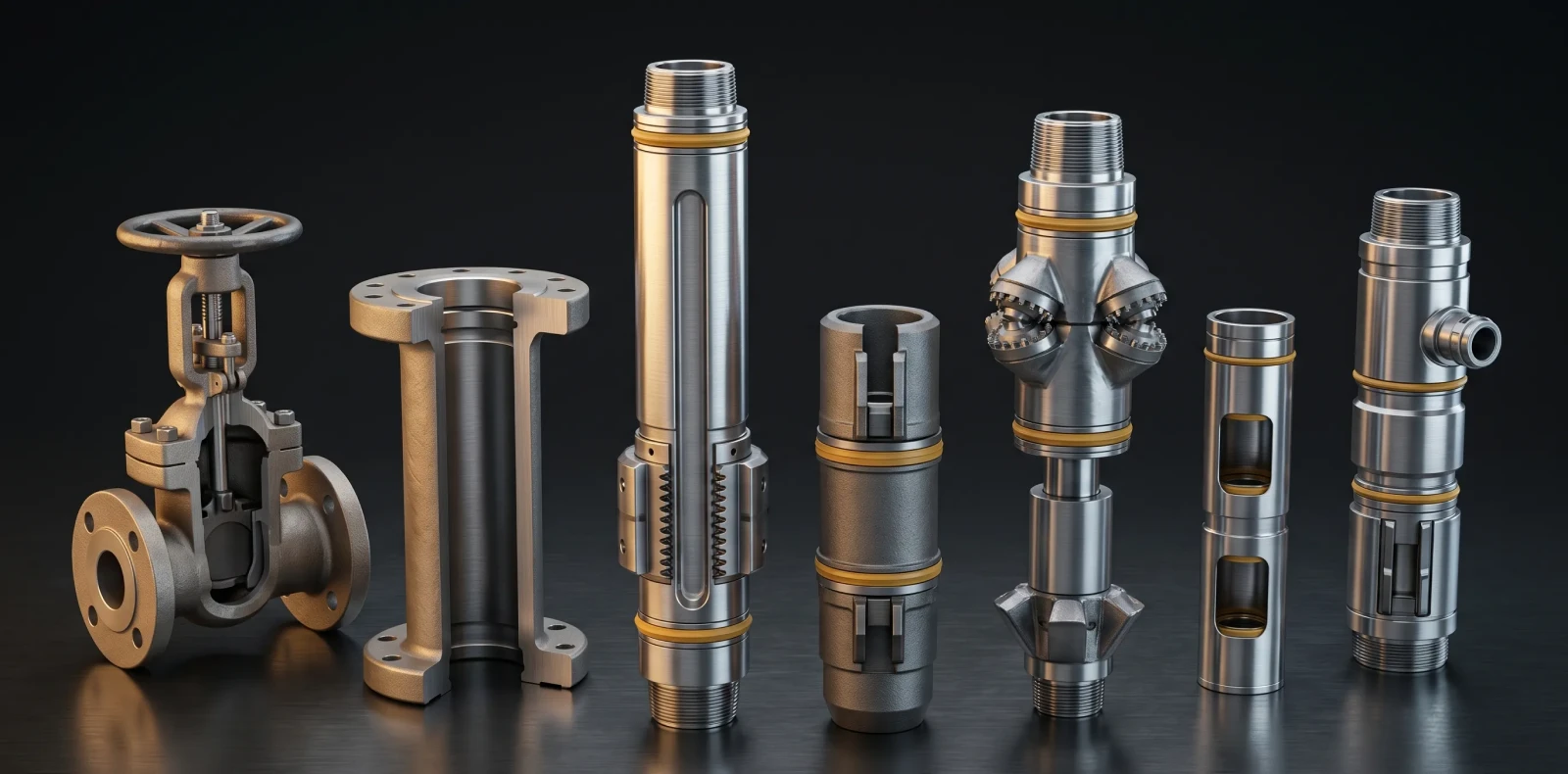
Oil & Gas Equipment Companies in India: Manufacturer Directory 2026
Navigating India's oilfield equipment landscape is challenging without a comprehensive directory, and procurement teams asking "who are the best manufacturers for this?" often lose weeks to vendor research. This directory profiles the key oil and gas equipment companies in India with verified capabilities, so you can build a qualified shortlist faster.
June 8, 2026
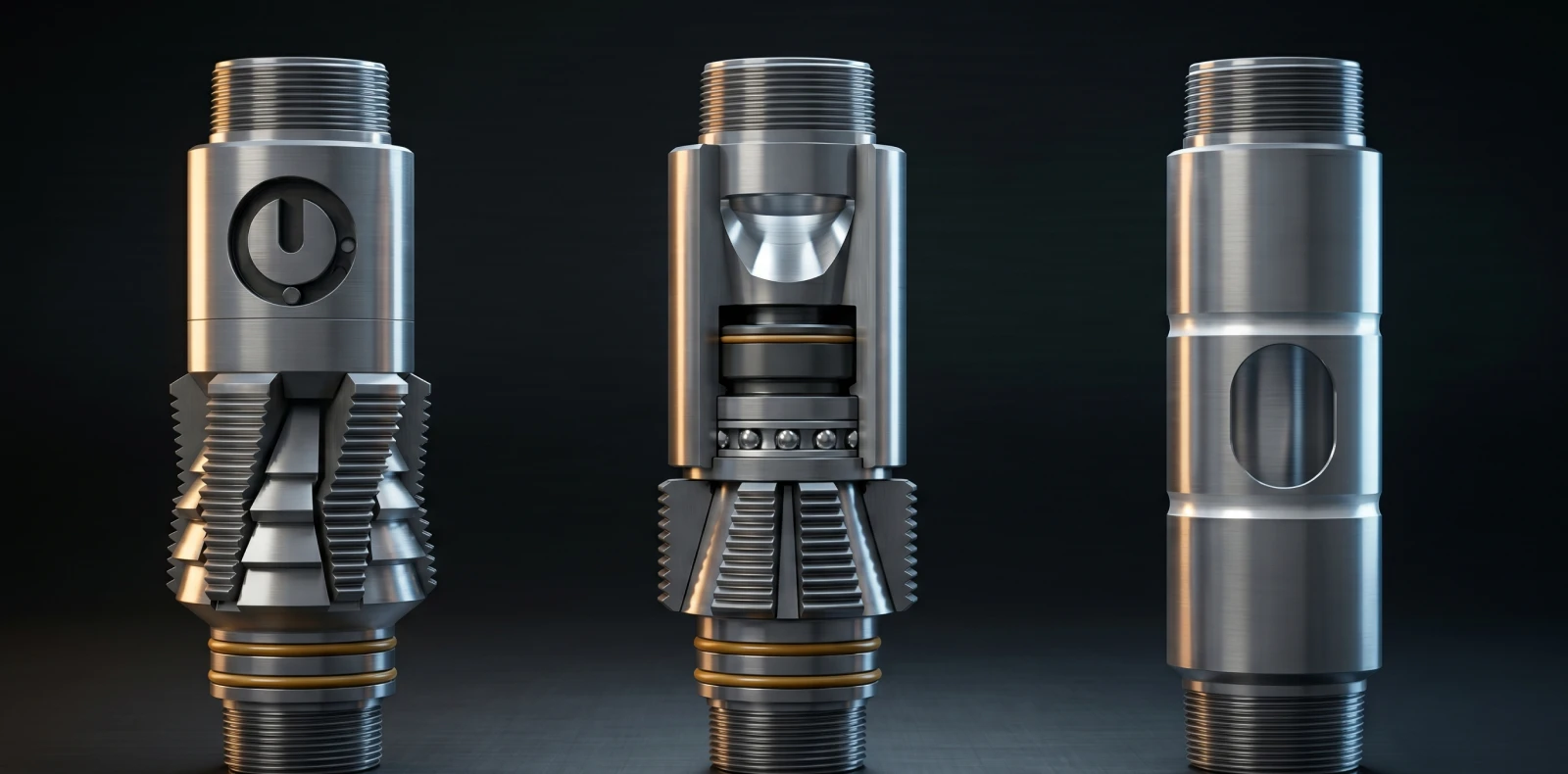
Liner Hanger Types & Selection: Complete Engineering Reference
What type of liner hanger does your well design require? The answer depends on setting depth, liner weight, and whether hydraulic or mechanical actuation suits the hole. For an engineer just trying to understand the basics, the liner hanger types break down into three categories — and knowing how they differ is the first step toward specifying the right one.
June 6, 2026
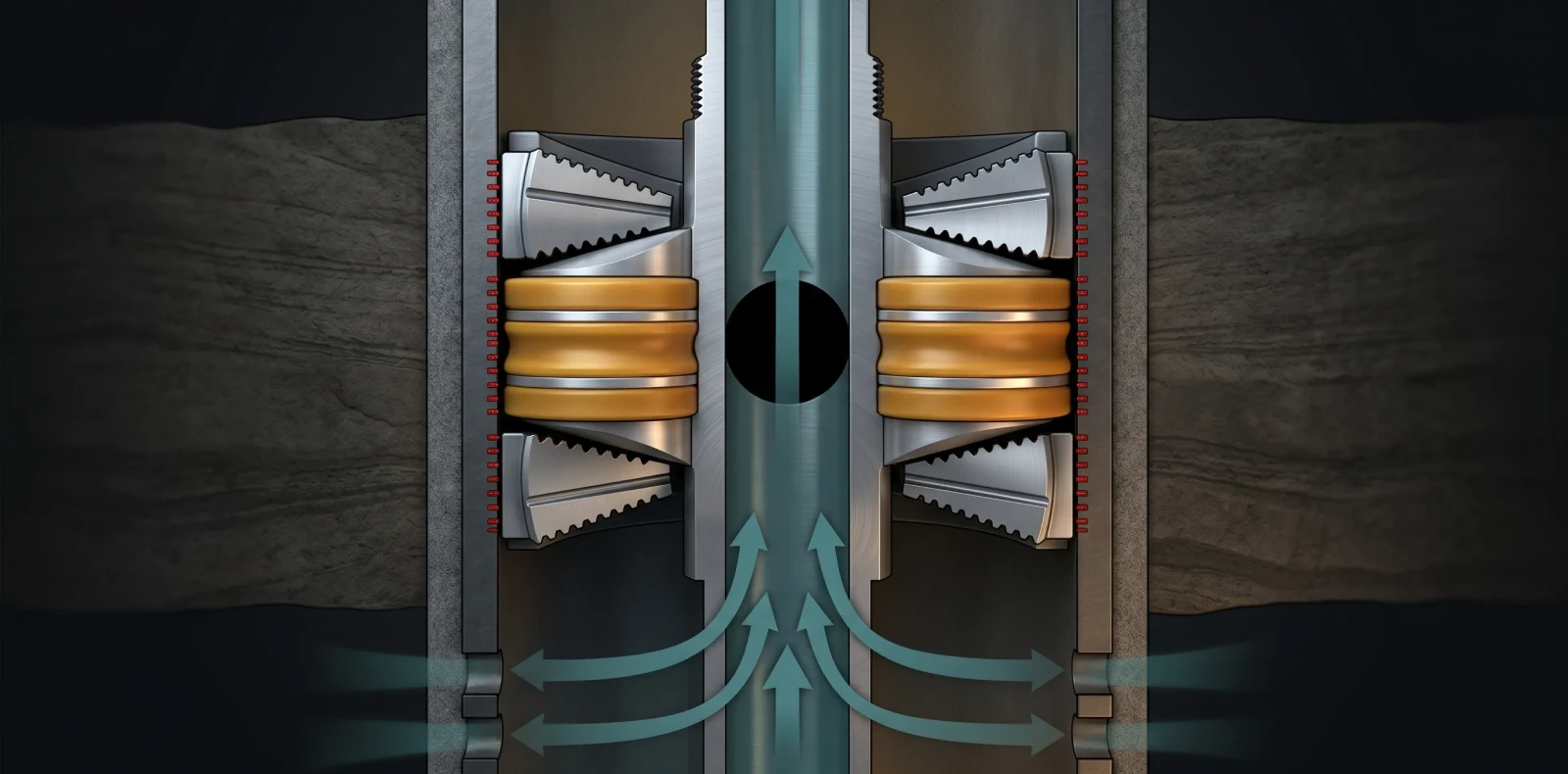
Packer in Well Completion- Functions & How to Select the Right One
Packers are installed in nearly every cased-hole completion worldwide, yet the packer in well completion remains one of the most consequential pieces of downhole hardware to understand. For anyone just trying to understand the basics, the packer is the component that makes controlled production possible by sealing the space between the tubing and the casing.
June 6, 2026
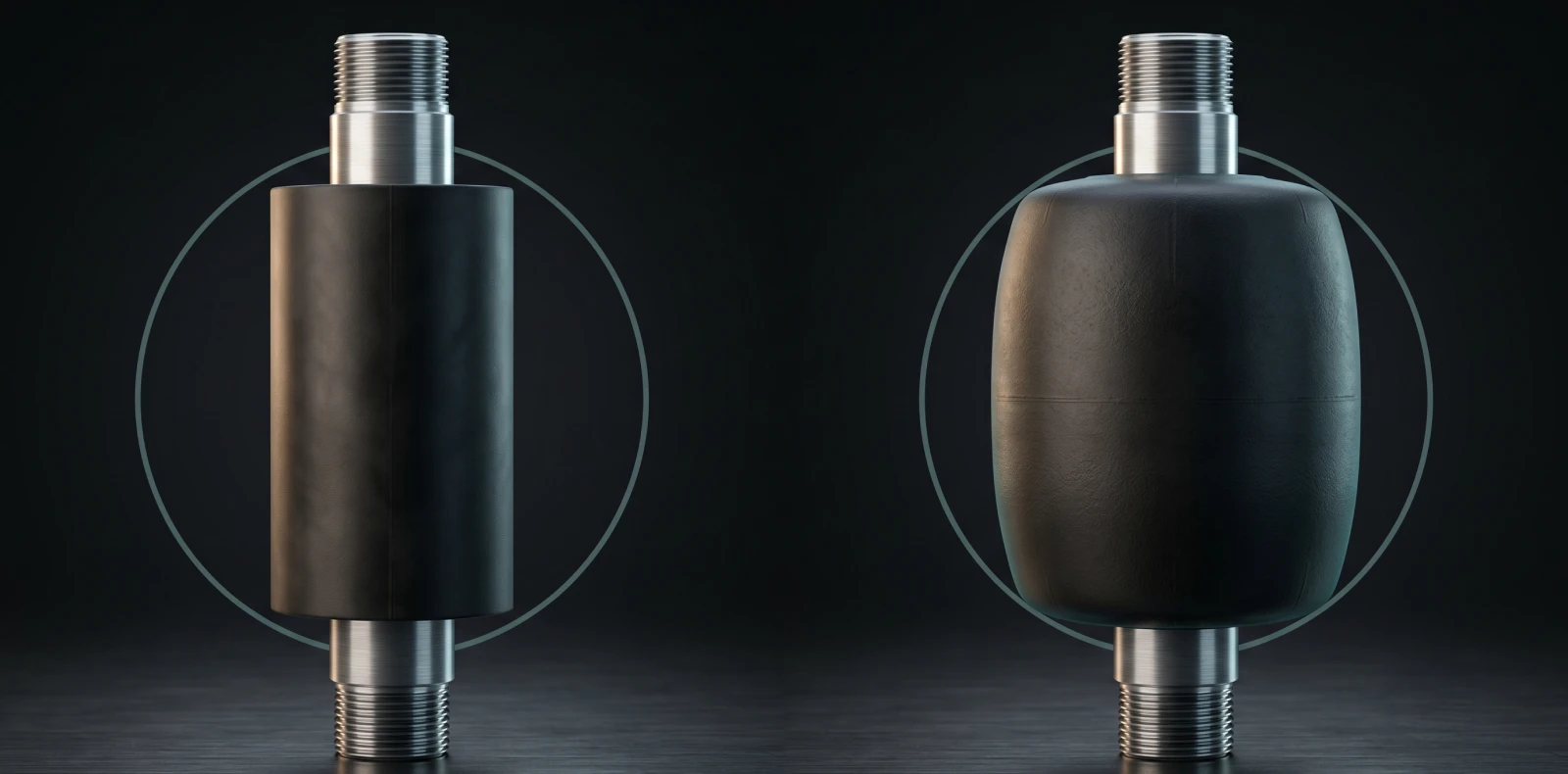
Swellable Packer Applications- Open Hole, HPHT & Water Shutoff Guide
When an operator needs to isolate an open hole section in a horizontal well without cementing, swellable packer applications offer the most direct route to a reliable annular seal. Across open hole zonal isolation, multistage fracturing, and water shutoff, the swellable packer has become the interventionless tool completion engineers reach for when running cement or mechanical packers is impractical or costly
June 6, 2026
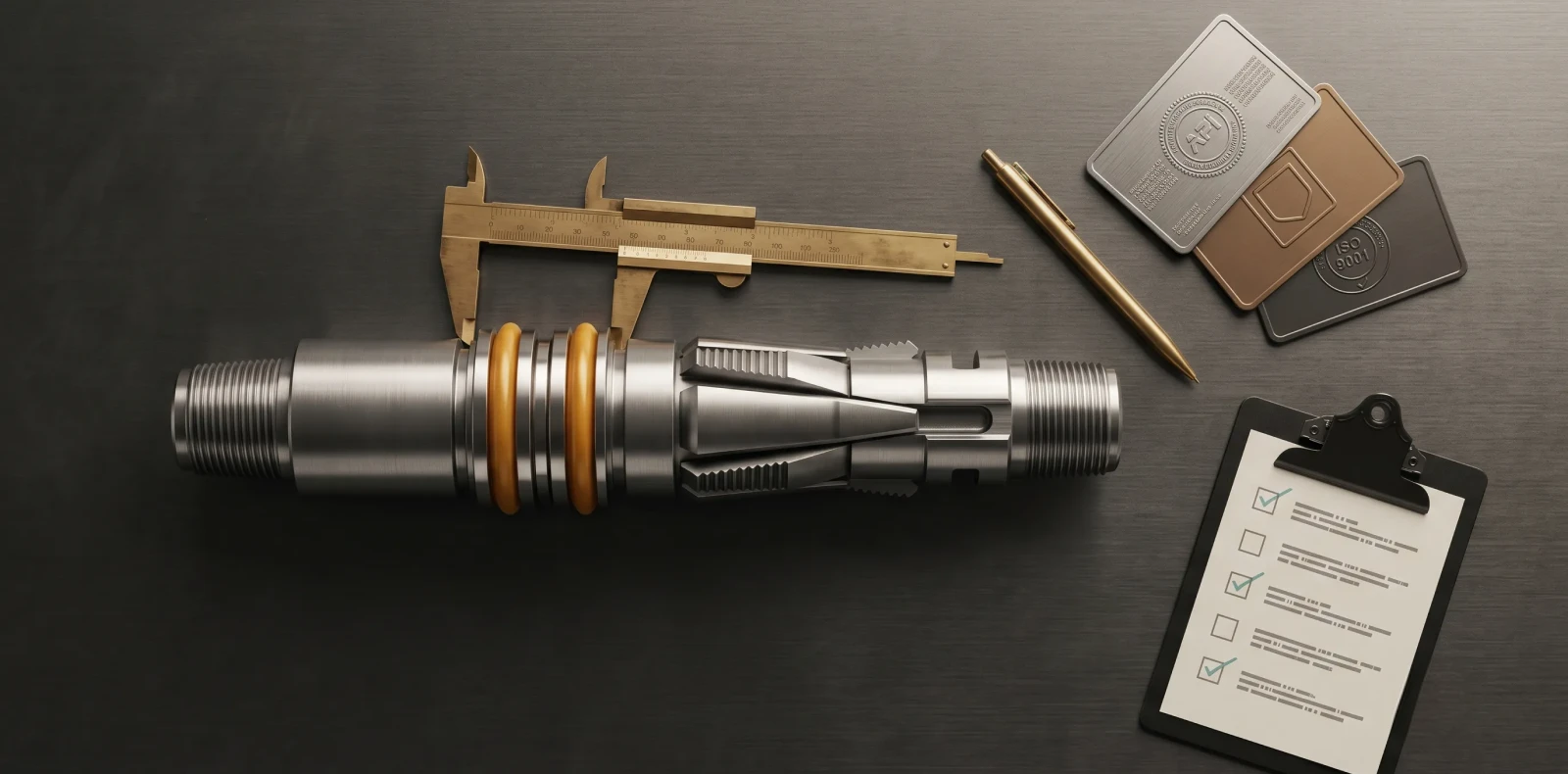
How to Choose an Oilfield Equipment Supplier A Procurement Guide
Choosing the wrong oilfield equipment supplier does not just waste procurement budget; it risks downhole failures that cost ten times the equipment price. Knowing how to choose an oilfield equipment supplier means looking past the catalog and the quotation to the evidence that a vendor can actually deliver safety-critical completion equipment. Procurement engineers who get this right treat the decision as risk management, not purchasing
June 6, 2026
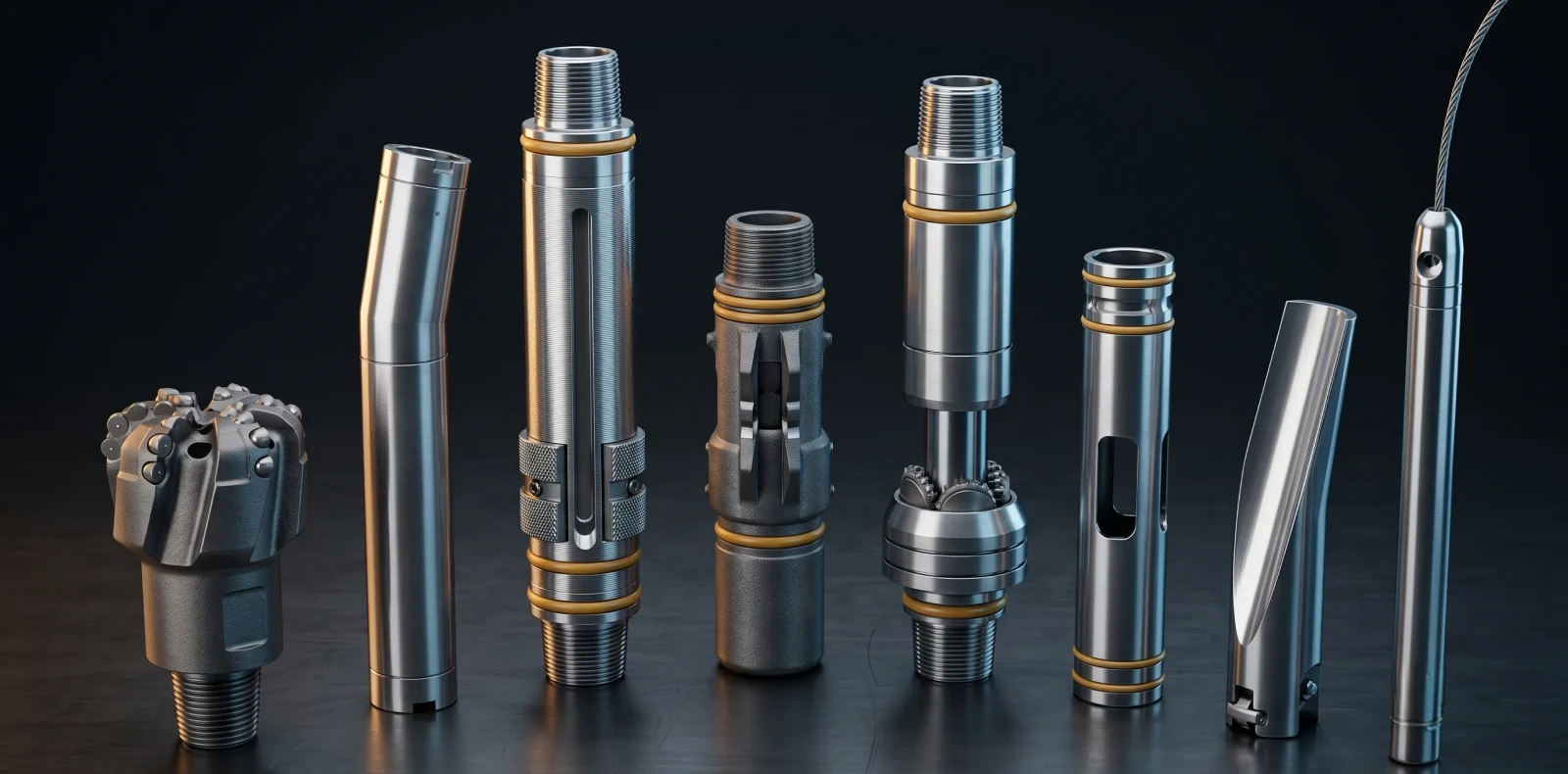
Top Downhole Tool Manufacturers & Suppliers 2026 Global Guide
The global downhole tools market exceeds 5 billion US dollars annually, and the list of companies claiming to serve it is far longer than any procurement team has time to vet. This guide narrows the field: it covers how to evaluate a downhole tool manufacturer, then profiles the global majors, the India-based OEMs, and Maximus OIGA — fairly, with real pros and cons, so you can build an RFQ shortlist without months of vendor research.
June 6, 2026
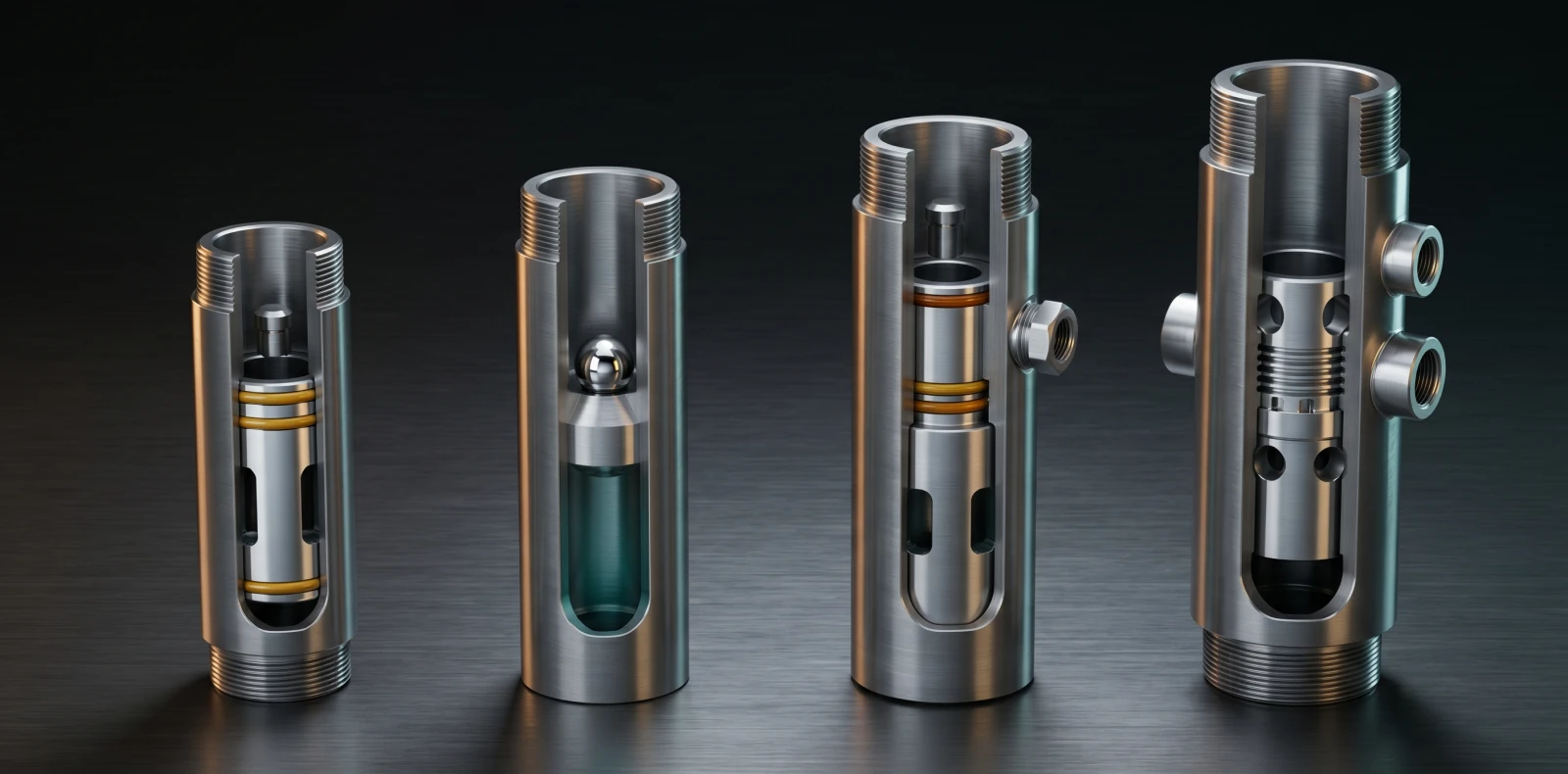
Sliding Sleeve Applications in Well Completion Types & Selection Guide
Sliding sleeves have evolved from simple open/close mechanisms into precision multi-zone flow control devices, and understanding their applications is now central to modern well completion design. This guide covers what a sliding sleeve does, the main types, real downhole applications, and how to select the right one — written for engineers trying to understand the basics and go a level deeper, not for a sales pitch.
June 6, 2026
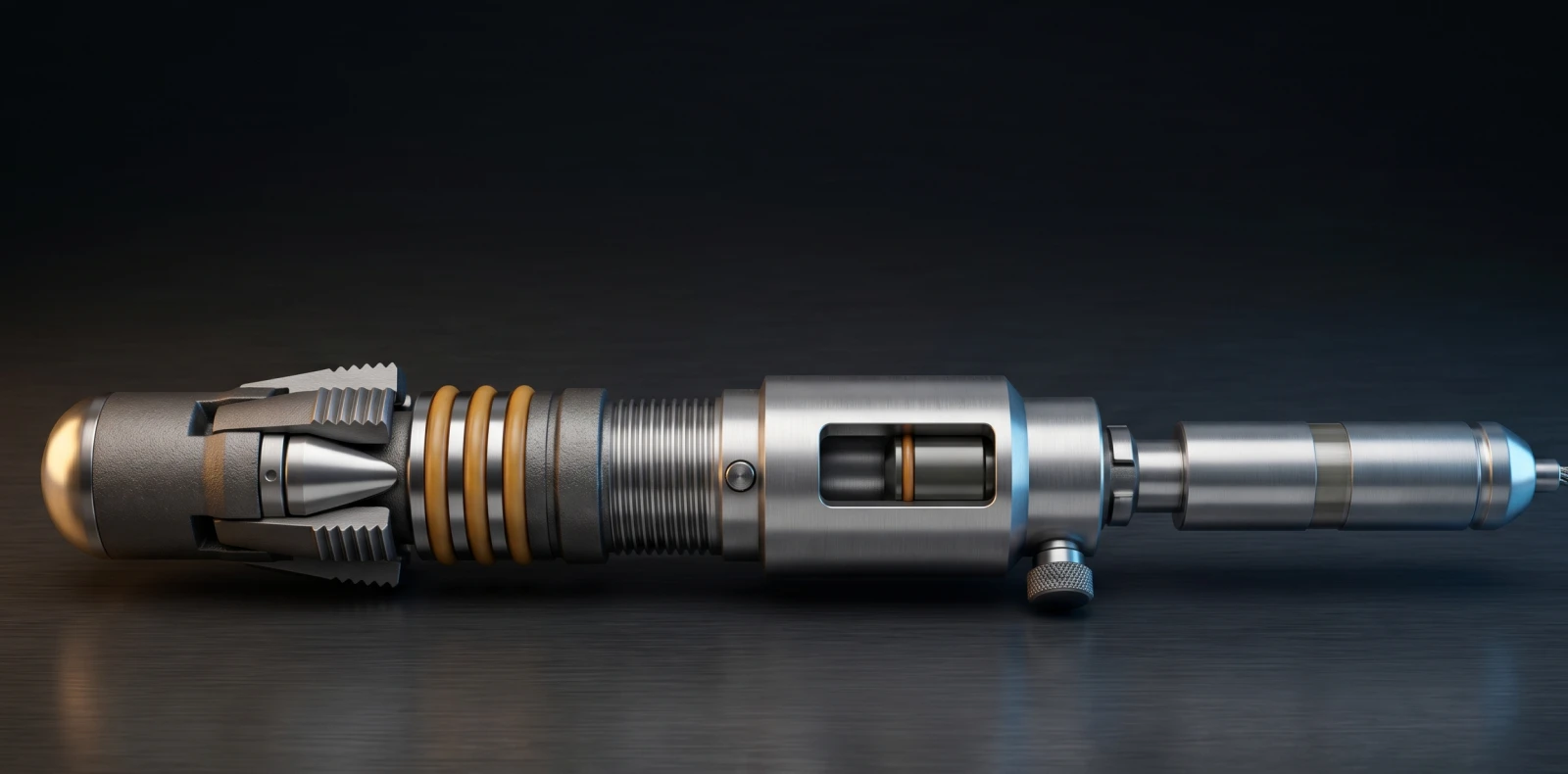
Bridge Plug Setting Procedure Step-by-Step Guide for Wireline Operations
How do you properly set a bridge plug using wireline? This step-by-step procedure covers tool string assembly, depth correlation, setting tool activation, and pressure testing for confirmed well isolation. It is written for field engineers who need the exact sequence right the first time, with 200+ Maximus OIGA installations across India, the Middle East, and Southeast Asia behind it
June 6, 2026