
Bridge Plug vs Packer: Key Differences, Selection Guide & Applications 2026
Introduction
In the oil and gas industry, well completion is a critical phase in the extraction process, ensuring that wells can produce efficiently and safely. Among the most essential tools used in well completion are packers and bridge plugs. These devices play a pivotal role in isolating zones, managing pressures, and protecting well integrity throughout the production lifecycle. Without these tools, the risks of contamination, cross-flow, and well failure would increase significantly, making them fundamental to operational success.
In this blog, we will explore the vital role that packers and bridge plugs play in well completion, their types and applications, the innovations in these tools, and how companies like Maximus Completions are setting benchmarks in the industry with their advanced solutions.
Contents
What Are Packers and Bridge Plugs?
The Role of Packers in Well Completion
The Importance of Bridge Plugs in Well Isolation
Types of Packers and Bridge Plugs Used in Oilfields
How Packers and Bridge Plugs Contribute to Oilfield Productivity
Innovations in Packer and Bridge Plug Technologies
Maximus Completions: Leading the Way in Well Completion Solutions
Choosing the Right Packers and Bridge Plugs for Your Operation
Conclusion
1. What Are Packers and Bridge Plugs?
Packers and bridge plugs are essential tools used during the well completion phase of oil and gas production. Both play a critical role in isolating sections of the wellbore to ensure that production can occur in a controlled and efficient manner.
Packers: A packer is a mechanical device used to create a seal between the casing and the tubing, isolating one zone of the well from another. This ensures that fluid is directed only to the desired production zone, preventing unwanted cross-flow between different formations.
Bridge Plugs: A bridge plug is used to temporarily block off a section of the wellbore, typically during operations such as cementing, fracturing, or testing. It provides zonal isolation, preventing fluid migration during these processes.
While both tools are vital in isolating zones, packers are typically used for long-term isolation during production, while bridge plugs are often used for temporary isolation during various operations in wellbore management.
2. The Role of Packers in Well Completion
Packers are one of the most critical tools in well completion, especially when it comes to maintaining well integrity and controlling fluid flow. They perform several essential functions:
Zonal Isolation: Packers isolate different zones of the wellbore, ensuring that fluid from different reservoirs doesn’t mix, which could otherwise compromise production efficiency and cause contamination.
Pressure Control: Packers maintain a seal to prevent pressure from escaping during production. This is especially crucial in wells with significant pressure differentials, such as high-pressure, high-temperature (HPHT) wells.
Enhanced Production Efficiency: By ensuring that only the targeted production zones are contributing to the flow, packers increase production rates, reduce water or gas coning, and minimize unwanted formation damage.
Advanced packer systems, especially hydraulic set packers and mechanical set packers, have become the go-to choice for a wide range of wells, including those in challenging offshore and deep-water oilfields.
3. The Importance of Bridge Plugs in Well Isolation
Bridge plugs are essential tools for temporarily sealing off sections of the wellbore, allowing operators to carry out necessary activities such as cementing, testing, or fracturing without interference from fluids. Here’s why they are indispensable:
Temporary Zonal Isolation: Bridge plugs isolate certain wellbore sections during operations like cementing to ensure that cement doesn’t flow into other sections of the well.
Well Integrity Protection: During wellbore cleaning and stimulation processes, bridge plugs help ensure that only the targeted sections of the well are affected, preventing damage to other formations.
Prevention of Cross-Flow: Bridge plugs prevent the unwanted migration of fluids between different sections, which is critical for managing reservoir pressure and optimizing production.
Bridge plugs are typically used in tandem with packers to provide effective zonal isolation, particularly when certain zones need to be temporarily isolated for testing or other procedures.
4. Types of Packers and Bridge Plugs Used in Oilfields
There are various types of packers and bridge plugs, each designed for specific applications and environmental conditions. These include:
Types of Packers:
Mechanical Set Packers: These packers are set mechanically, usually by applying pressure. They are ideal for low-pressure wells and offer simple and reliable isolation.
Hydraulic Set Packers: Used in high-pressure environments, hydraulic set packers are activated by hydraulic pressure, providing a strong seal in challenging well conditions.
Permanent Packers: These are used for long-term isolation and can stay in the well for the entire production life of the well.
Types of Bridge Plugs:
Cementing Bridge Plugs: These plugs are used during the cementing process to prevent cement from flowing into unwanted sections of the well.
Fracturing Bridge Plugs: Used during hydraulic fracturing operations to isolate sections of the well and allow for staged fracturing.
The choice of packer and bridge plug depends on factors such as the well’s pressure, temperature, depth, and the specific operations required.
5. How Packers and Bridge Plugs Contribute to Oilfield Productivity
Packers and bridge plugs are integral to maintaining efficient oilfield operations by:
Increasing Well Productivity: By ensuring proper isolation and preventing unwanted fluid movement, these tools optimize production and recovery rates.
Reducing Operational Downtime: When used effectively, packers and bridge plugs prevent unnecessary downtime by ensuring that operations such as cementing, stimulation, and testing go smoothly.
Enhancing Safety: Both packers and bridge plugs ensure well integrity, reducing the risk of blowouts, leaks, and other hazardous events during production.
By enabling safer, more efficient production, these tools contribute significantly to the overall productivity of an oilfield.
6. Innovations in Packer and Bridge Plug Technologies
The oil and gas industry is increasingly relying on advanced technologies to improve well completion operations. Some recent innovations include:
Smart Packers: These packers are equipped with sensors that provide real-time data on pressure, temperature, and the status of the packer’s seal, enabling better decision-making.
Composite Materials: The use of composite materials in packers and bridge plugs offers increased resistance to corrosion and higher mechanical strength, making these tools more durable and longer-lasting in extreme conditions.
Expandable Packers: Expandable packers offer flexibility and can be deployed in wells with irregular diameters, making them suitable for complex wellbore conditions.
These innovations are designed to enhance the performance of well completion equipment, improving well integrity and optimizing production.
7. Maximus Completions: Leading the Way in Well Completion Solutions
Maximus Completions has firmly established itself as a global leader in the field of well completion equipment manufacturing. The company’s commitment to innovation and quality is exemplified through its advanced in-house testing facilities that ensure every product meets stringent international standards. These facilities play a crucial role in the company’s ability to deliver reliable and high-performance packer systems and bridge plugs.
Maximus In-House Testing Capabilities:
Maximus Completions operates cutting-edge testing facilities that simulate the challenging conditions encountered in real-world well completions. The company’s testing facility includes:
Pressure and Temperature Testing: Maximus’ equipment is tested under extreme pressure and temperature conditions to ensure its durability and performance in high-pressure, high-temperature (HPHT) environments.
Corrosion Resistance Testing: Given the harsh conditions in many oilfields, especially offshore or in sour gas environments, Maximus rigorously tests its tools for resistance to corrosive substances like hydrogen sulfide (H₂S) and carbon dioxide (CO₂).
Functional Testing: Real-time data collection during testing allows Maximus to monitor the operational functionality of each product, ensuring it performs as expected under dynamic conditions.
By investing in such testing capabilities, Maximus guarantees that its products—whether mechanical or hydraulic packers, bridge plugs, or other completion tools—are built to last, perform at optimal levels, and meet the highest safety standards. This commitment to quality makes Maximus a trusted partner for global oil and gas companies.
8. Choosing the Right Packers and Bridge Plugs for Your Operation
Selecting the right packers and bridge plugs is essential for optimizing production and ensuring the longevity of your well. Factors to consider include:
Reservoir Conditions: HPHT wells require more robust and advanced tools, such as hydraulic set packers and high-performance bridge plugs.
Well Depth and Diameter: Tools must be compatible with the well’s specific dimensions and depth.
Type of Operation: Whether cementing, fracturing, or zonal isolation is required, the right tool must be chosen for the job.
Working with experienced manufacturers like Maximus Completions ensures that you receive the best advice and the most reliable tools for your specific needs.
9. Conclusion
Packers and bridge plugs play an essential role in the successful completion of wells, ensuring safety, productivity, and efficiency. As the oil and gas industry continues to push the boundaries of exploration and production, the need for advanced, reliable, and durable well completion tools will only grow.
Related
- ISO 14310 & API 11D1 Validation Grades: V6 to V0 Explained
- Intelligent Well Completion: Systems, Components and Equipment
- Oil & Gas Equipment Companies in India: Manufacturer Directory 2026
- Liner Hanger Types & Selection: Complete Engineering Reference
- Packer in Well Completion- Functions & How to Select the Right One
- Swellable Packer Applications- Open Hole, HPHT & Water Shutoff Guide
- How to Choose an Oilfield Equipment Supplier A Procurement Guide
- Top Downhole Tool Manufacturers & Suppliers 2026 Global Guide
- Sliding Sleeve Applications in Well Completion Types & Selection Guide
- Bridge Plug Setting Procedure Step-by-Step Guide for Wireline Operations
More Information
Related News & Insights
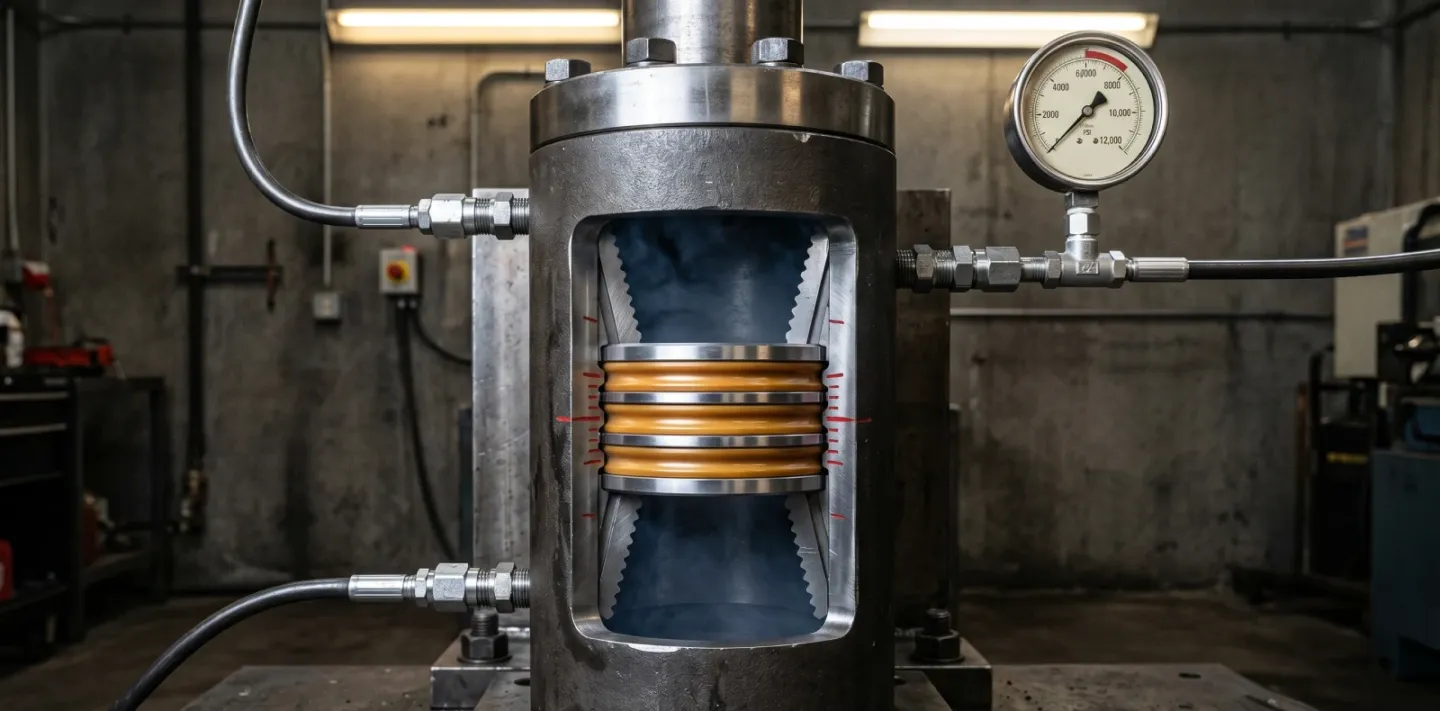
ISO 14310 & API 11D1 Validation Grades: V6 to V0 Explained
Many engineers assume a higher V-number means a tougher packer. It is the opposite. Under ISO 14310 packer validation grades, the scale runs from V6, the minimum, down to V0, the most demanding gas-tight grade — so a lower number means more severe testing, not less. For anyone just trying to understand the basics, that inversion is where most confusion starts.
June 8, 2026
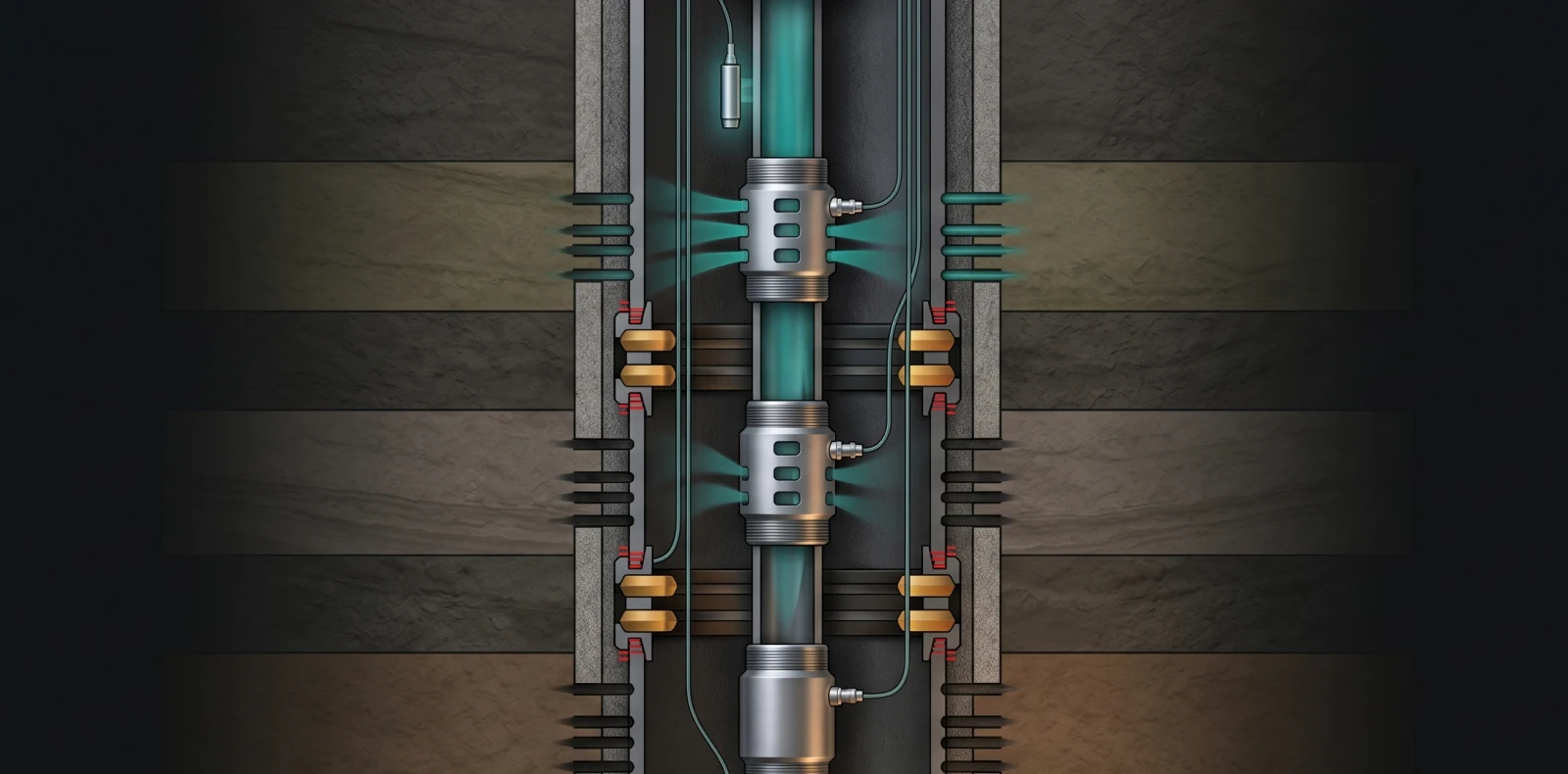
Intelligent Well Completion: Systems, Components and Equipment
Imagine adjusting flow from each zone of a multi-zone reservoir in real time, from surface, without ever sending a rig downhole. That is the promise of intelligent well completion, and for an engineer just trying to understand the basics, the concept is more concrete than the marketing suggests once you see how the pieces connect.
June 8, 2026
Oil & Gas Equipment Companies in India: Manufacturer Directory 2026
Navigating India's oilfield equipment landscape is challenging without a comprehensive directory, and procurement teams asking "who are the best manufacturers for this?" often lose weeks to vendor research. This directory profiles the key oil and gas equipment companies in India with verified capabilities, so you can build a qualified shortlist faster.
June 8, 2026
Liner Hanger Types & Selection: Complete Engineering Reference
What type of liner hanger does your well design require? The answer depends on setting depth, liner weight, and whether hydraulic or mechanical actuation suits the hole. For an engineer just trying to understand the basics, the liner hanger types break down into three categories — and knowing how they differ is the first step toward specifying the right one.
June 6, 2026
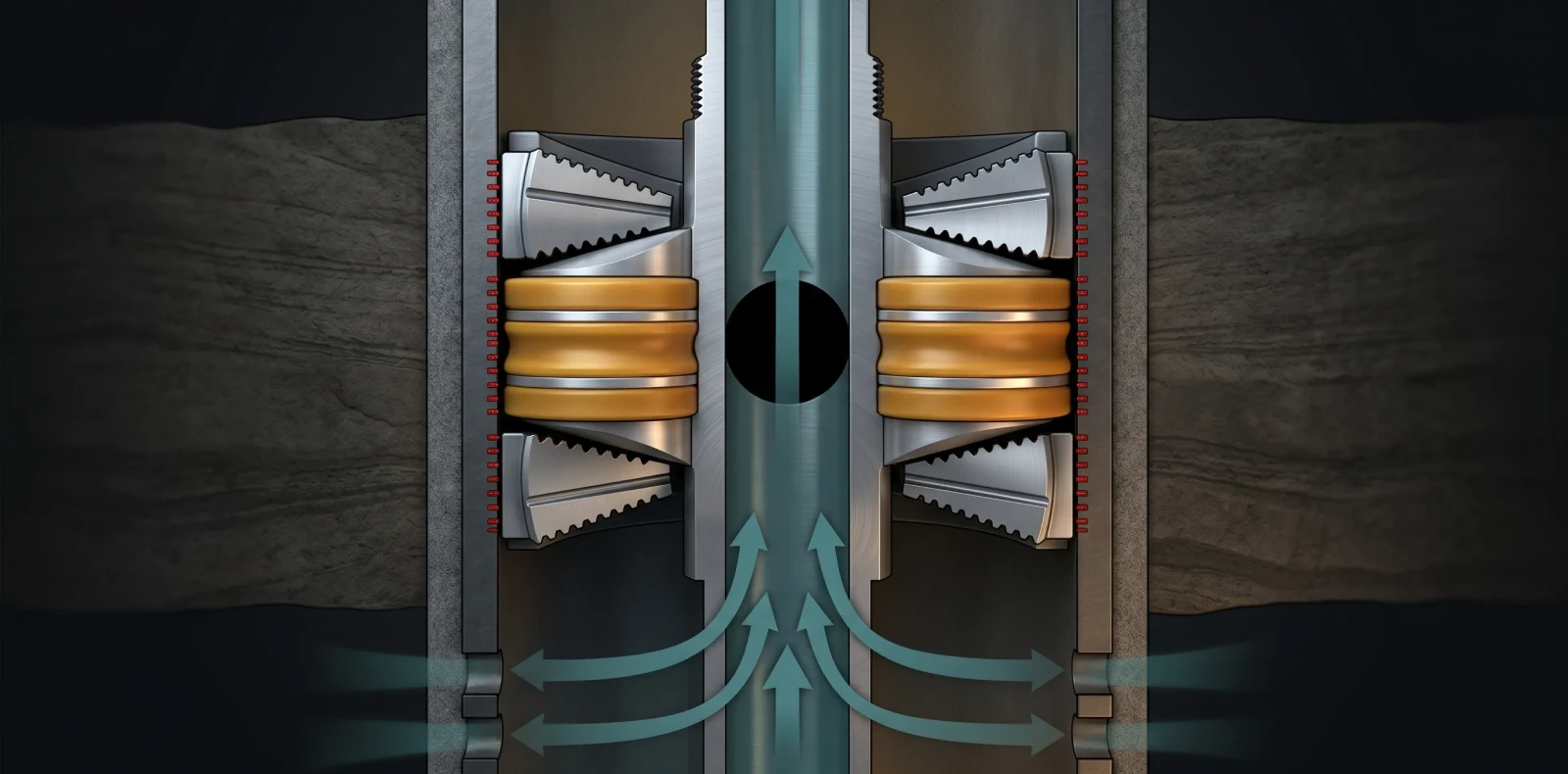
Packer in Well Completion- Functions & How to Select the Right One
Packers are installed in nearly every cased-hole completion worldwide, yet the packer in well completion remains one of the most consequential pieces of downhole hardware to understand. For anyone just trying to understand the basics, the packer is the component that makes controlled production possible by sealing the space between the tubing and the casing.
June 6, 2026
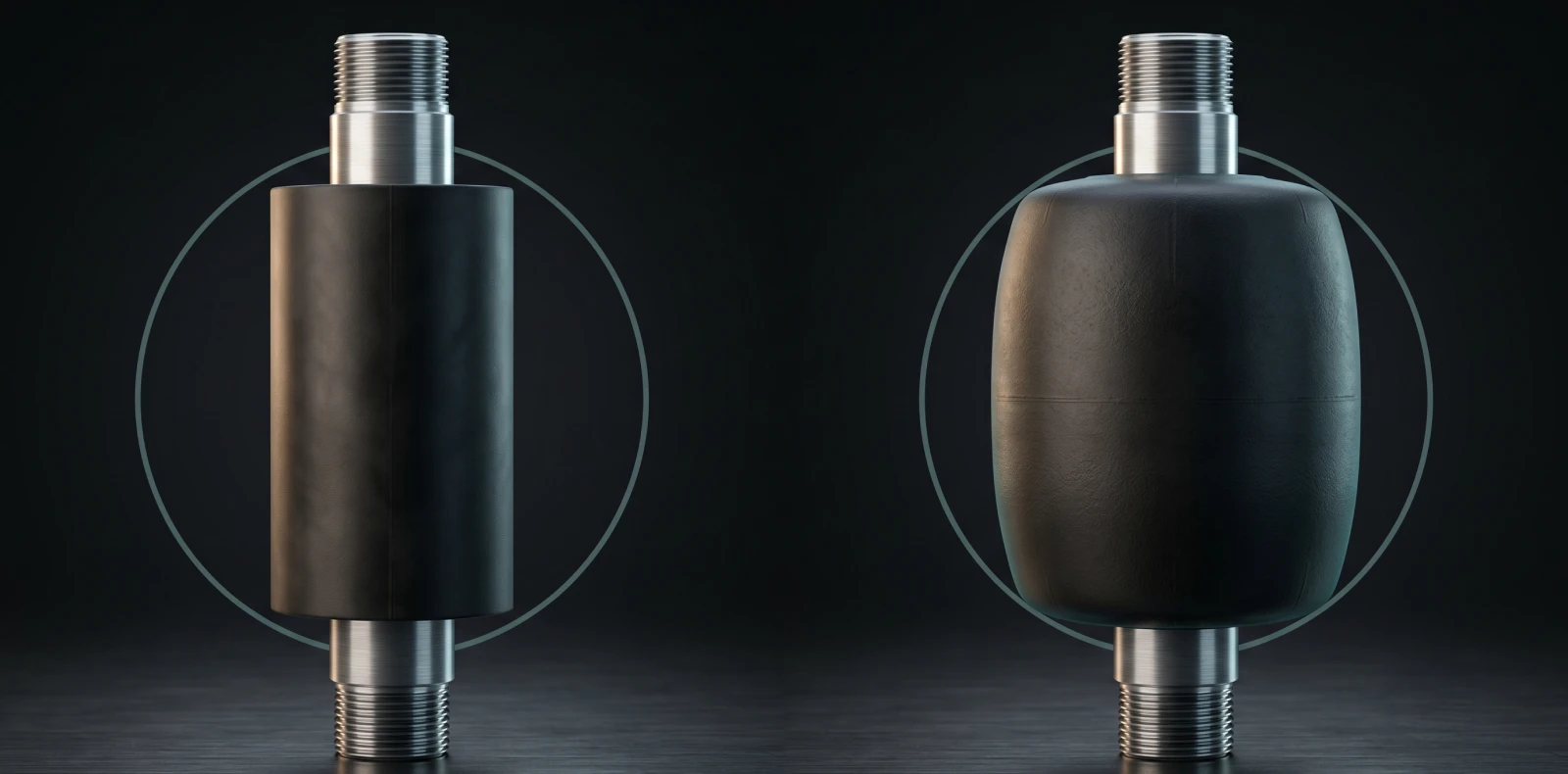
Swellable Packer Applications- Open Hole, HPHT & Water Shutoff Guide
When an operator needs to isolate an open hole section in a horizontal well without cementing, swellable packer applications offer the most direct route to a reliable annular seal. Across open hole zonal isolation, multistage fracturing, and water shutoff, the swellable packer has become the interventionless tool completion engineers reach for when running cement or mechanical packers is impractical or costly
June 6, 2026
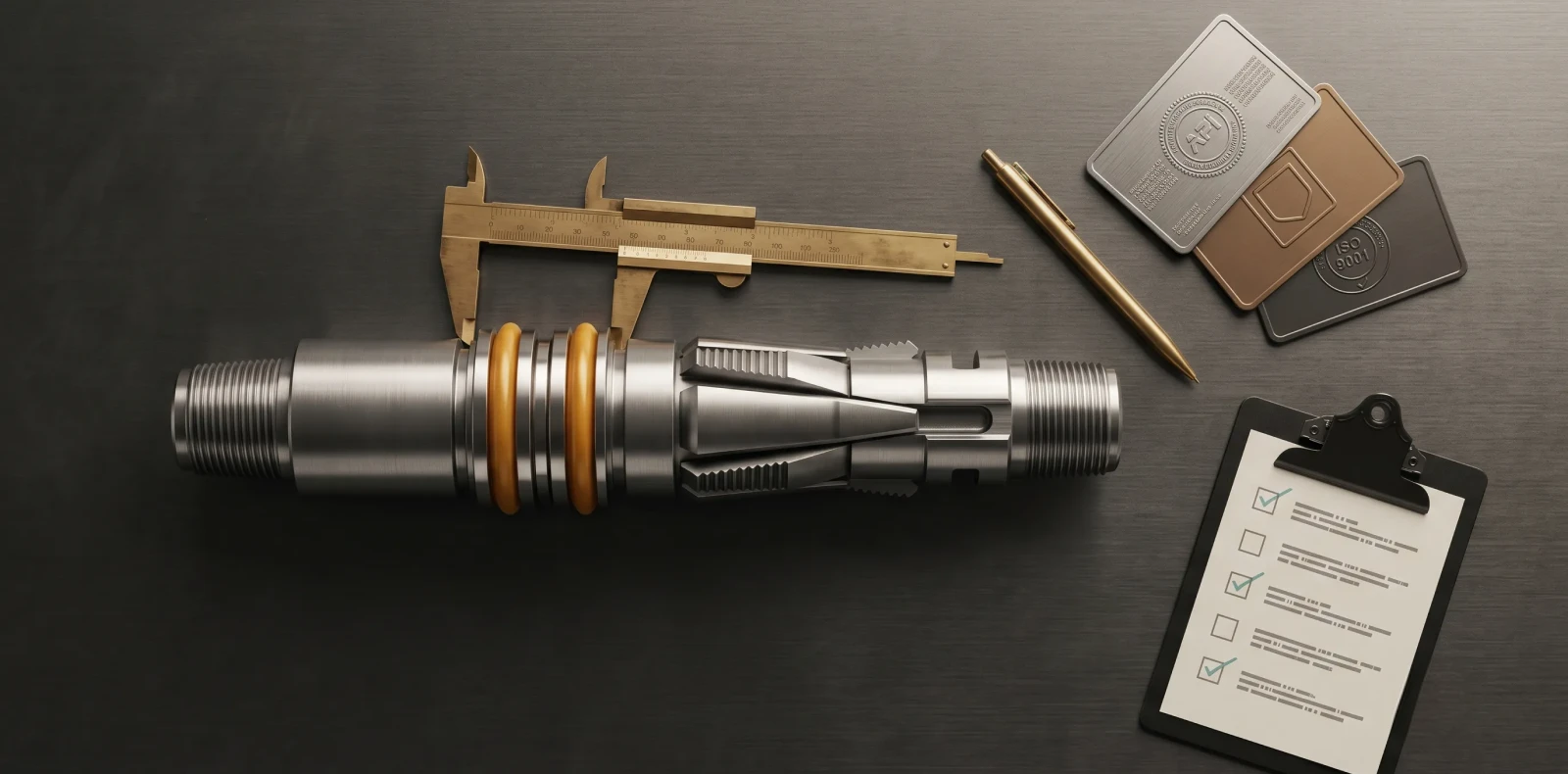
How to Choose an Oilfield Equipment Supplier A Procurement Guide
Choosing the wrong oilfield equipment supplier does not just waste procurement budget; it risks downhole failures that cost ten times the equipment price. Knowing how to choose an oilfield equipment supplier means looking past the catalog and the quotation to the evidence that a vendor can actually deliver safety-critical completion equipment. Procurement engineers who get this right treat the decision as risk management, not purchasing
June 6, 2026
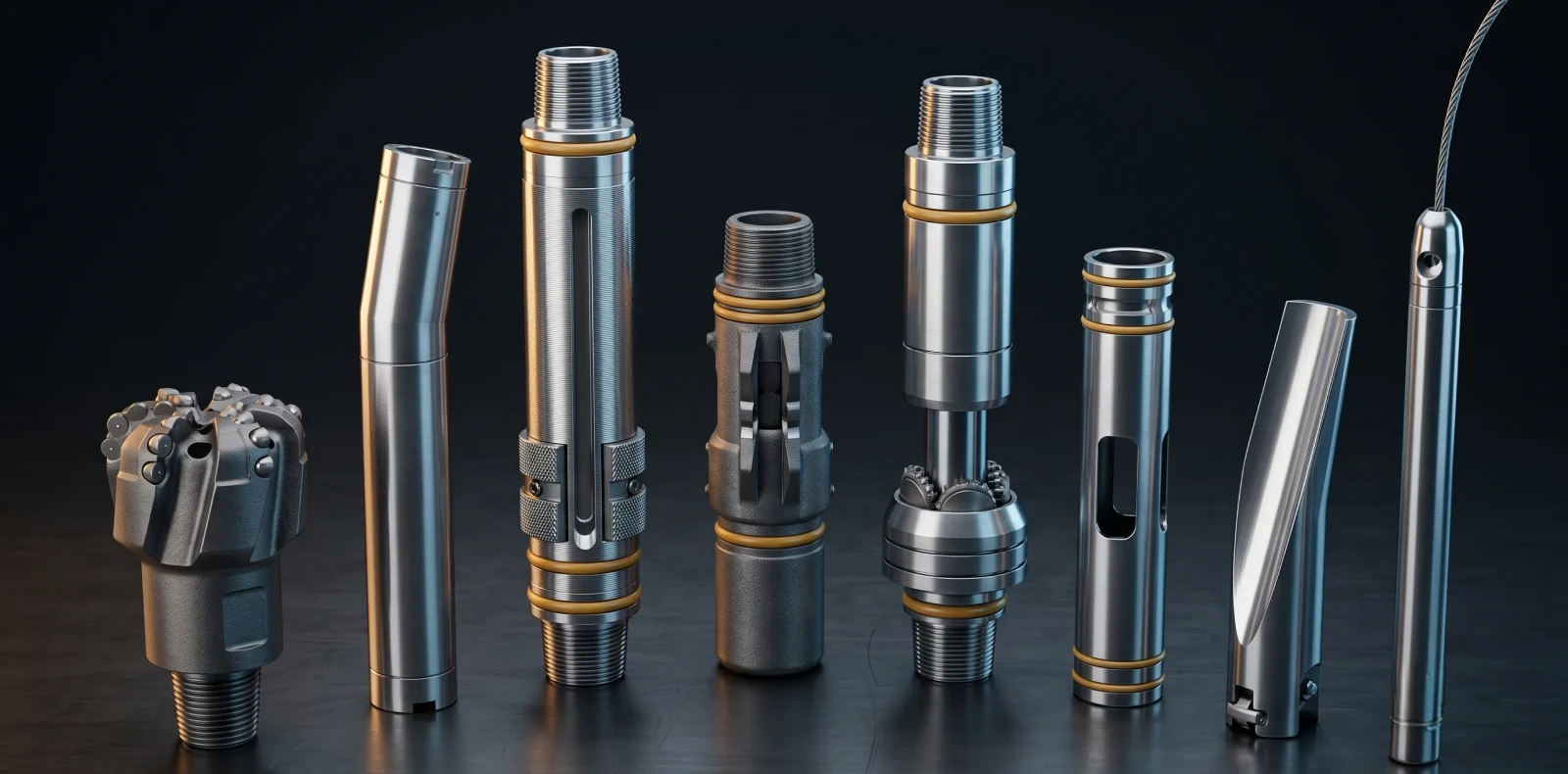
Top Downhole Tool Manufacturers & Suppliers 2026 Global Guide
The global downhole tools market exceeds 5 billion US dollars annually, and the list of companies claiming to serve it is far longer than any procurement team has time to vet. This guide narrows the field: it covers how to evaluate a downhole tool manufacturer, then profiles the global majors, the India-based OEMs, and Maximus OIGA — fairly, with real pros and cons, so you can build an RFQ shortlist without months of vendor research.
June 6, 2026
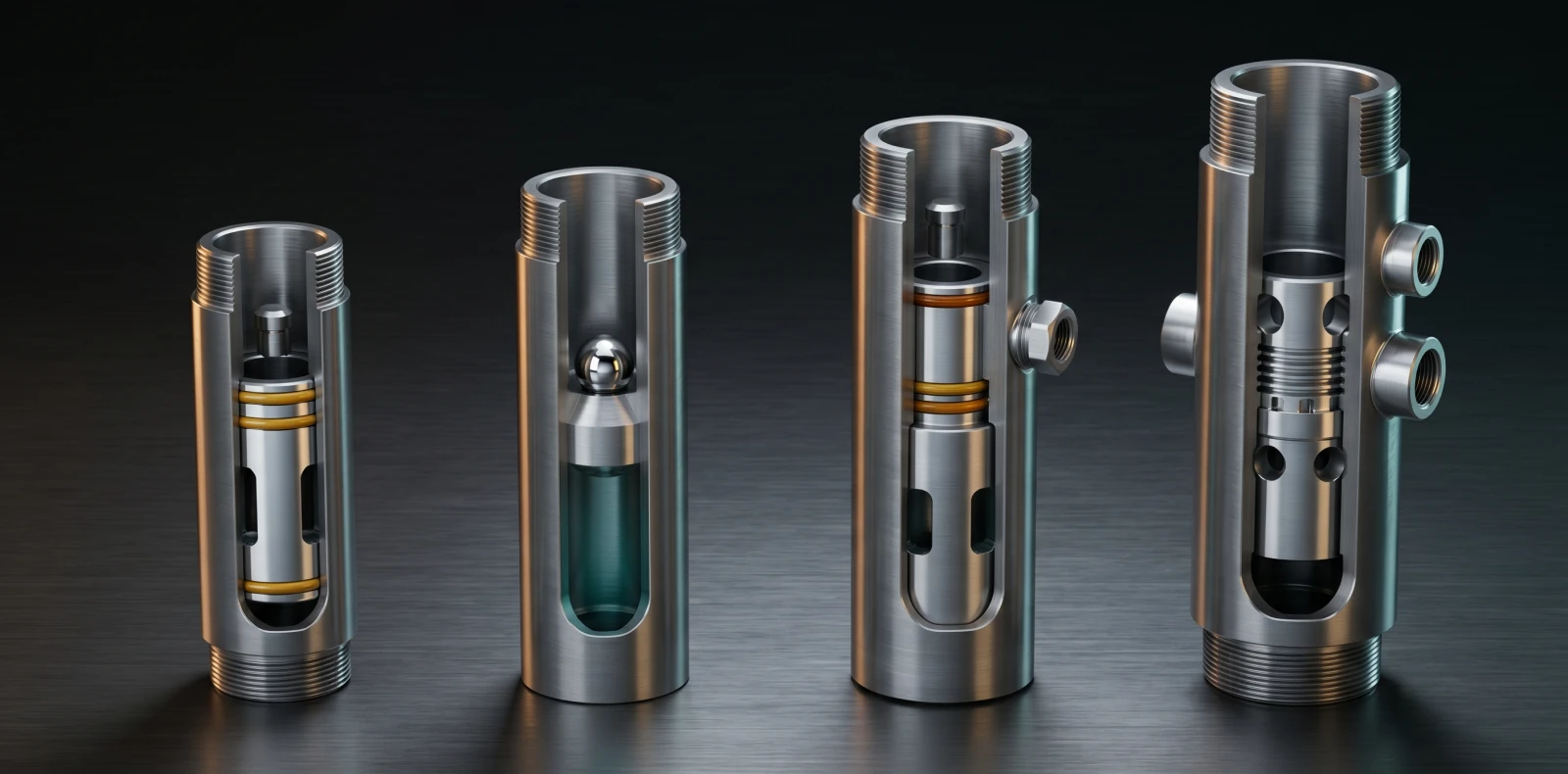
Sliding Sleeve Applications in Well Completion Types & Selection Guide
Sliding sleeves have evolved from simple open/close mechanisms into precision multi-zone flow control devices, and understanding their applications is now central to modern well completion design. This guide covers what a sliding sleeve does, the main types, real downhole applications, and how to select the right one — written for engineers trying to understand the basics and go a level deeper, not for a sales pitch.
June 6, 2026
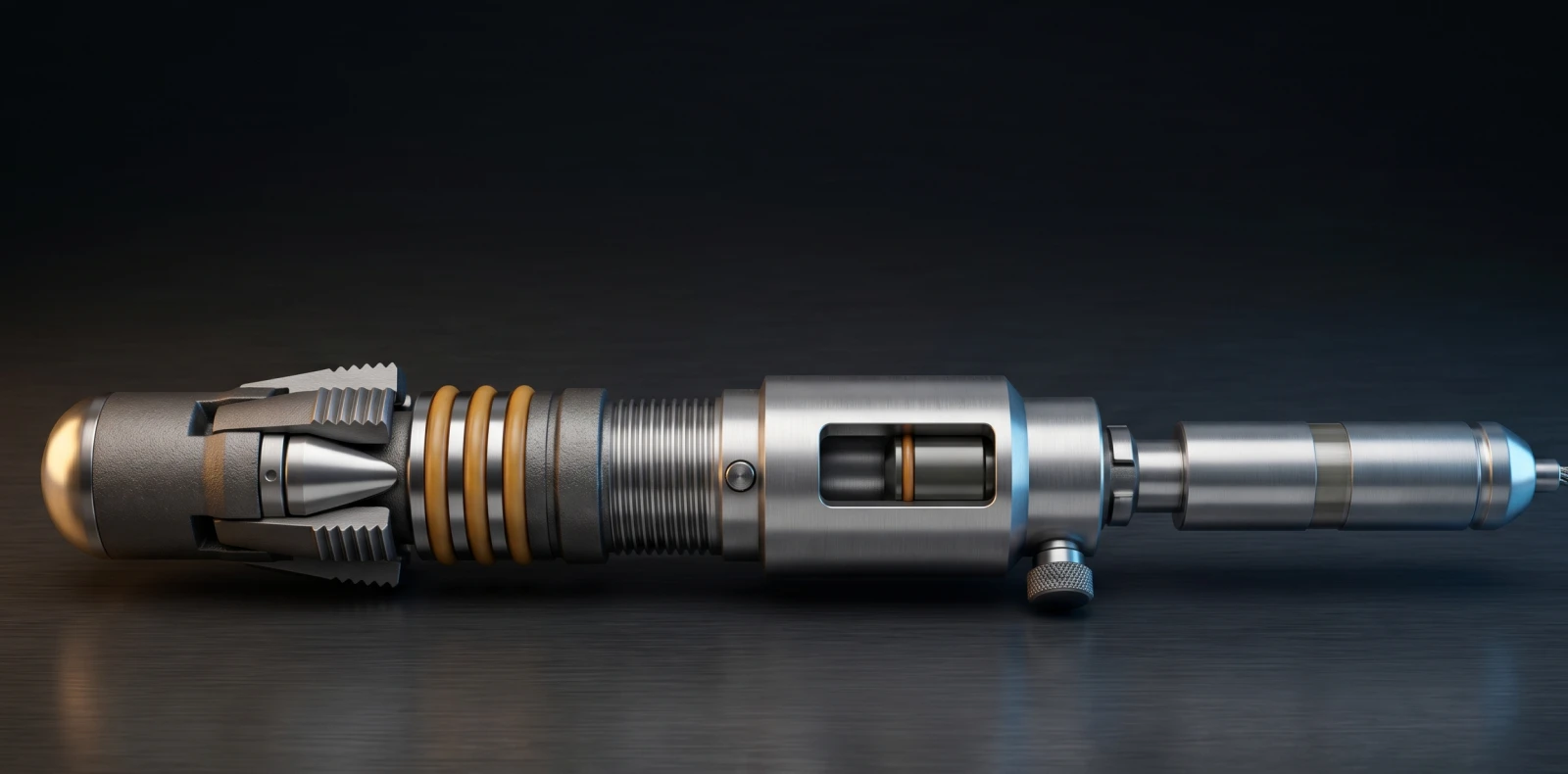
Bridge Plug Setting Procedure Step-by-Step Guide for Wireline Operations
How do you properly set a bridge plug using wireline? This step-by-step procedure covers tool string assembly, depth correlation, setting tool activation, and pressure testing for confirmed well isolation. It is written for field engineers who need the exact sequence right the first time, with 200+ Maximus OIGA installations across India, the Middle East, and Southeast Asia behind it
June 6, 2026