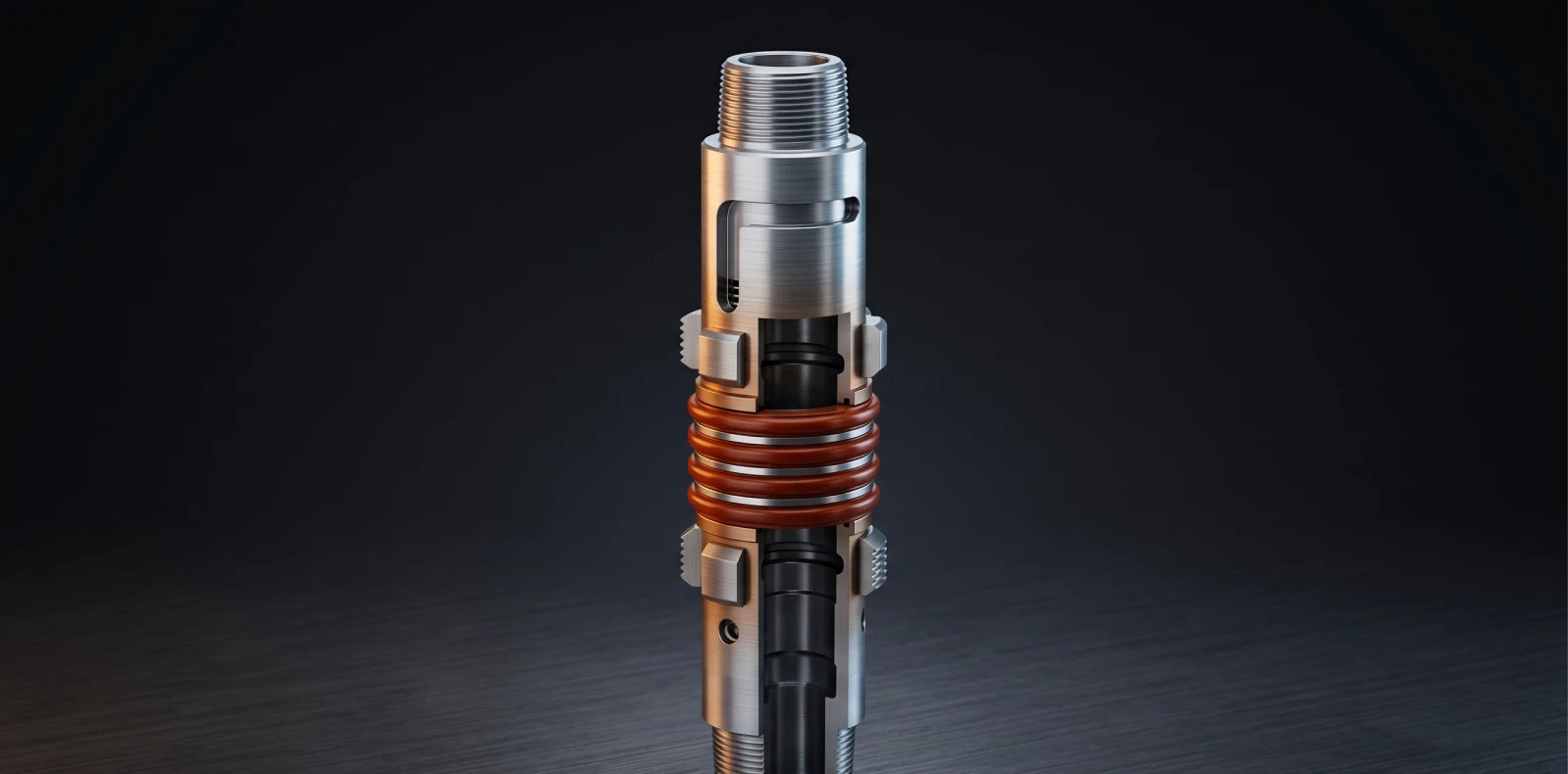
Geothermal Well Completion Equipment: Manufacturer Guide & Selection
As geothermal energy projects accelerate globally, completion engineers face a challenge that conventional well design does not anticipate: standard hardware was not engineered for 400°F+ continuous operation across decade-long service intervals. Geothermal well completion equipment occupies a separate engineering envelope — defined by sustained heat, thermal cycling, and corrosive brines rather than peak pressure alone.
This guide is written for engineers just trying to understand the basics of how geothermal completion differs from oil and gas — what equipment categories exist, what specifications matter, and how to match equipment to well type.
Why Geothermal Completion Demands Different Equipment
The economic context is no longer marginal. According to the NREL 2025 US Geothermal Market Report, US geothermal installed capacity reached 3,969 MWe across 99 power plants by mid-2024, with 26 new power purchase agreements signed since 2021 committing more than 1,000 MWe of new capacity.
Private capital has followed. Over $1.5 billion has been invested in next-generation geothermal since 2021, and CAPEX for deep enhanced geothermal binary plants has fallen 63% — from $53,240/kW in 2021 to $19,757/kW in 2024. The DOE Enhanced Geothermal Shot targets an EGS levelised cost of $45/MWh by 2035, with NREL/DOE scenarios projecting 8–10 GW of US geothermal capacity by 2030.
For completion engineers, this trajectory translates directly into specification work: more wells, hotter wells, longer service lives. Equipment that performs at 175°C for a five-year oilfield project must now be evaluated for sustained operation across decades. Maximus OIGA manufactures a thermal packer for geothermal applications that addresses this duty cycle directly — useful context when explaining to non-technical stakeholders why a geothermal project cannot reuse a standard oilfield specification.
Types of Geothermal Wells and Their Completion Requirements
Modern geothermal completion engineering recognises four primary well categories, plus an emerging supercritical class that remains research-stage. Each category has a distinct reservoir condition, and the completion architecture follows from it.
Conventional hydrothermal wells
Hydrothermal wells produce from natural reservoirs with adequate fluid and natural permeability. Completions are typically open-hole or slotted-liner — high permeability and convective reservoir behaviour mean no zonal isolation is required. The Geysers field in California operates above 240°C at 2,500–3,000 metres on dry steam; Steamboat Hills (Nevada) and Mammoth Lakes (California) produce fluid below 200°C at depths near 330 metres.
Enhanced geothermal systems (EGS)
EGS reservoirs have low natural permeability and must be engineered through hydraulic stimulation. Completion follows oil-and-gas conventions: cemented casing, multistage zonal isolation, plug-and-perf or packer-and-port. Fervo Energy's Sugarloaf appraisal well reached 15,765 ft true vertical depth with a projected bottomhole temperature of 520°F (271°C) in 16 drilling days — a 79% reduction against the DOE ultradeep baseline. Fervo's Project Cape uses three 4,700 ft laterals; Project Red used a 3,000 ft lateral with plug-and-perf, achieving 63 kg/s circulation flow.
Closed-loop / advanced geothermal systems (AGS)
Closed-loop systems seal the working fluid inside a tube-in-tube coaxial well or a U-shaped lateral pair. Heat transfers by conduction across the wellbore wall — no reservoir exchange. Two designs dominate: coaxial wells with vacuum-insulated tubing, and U-shaped wells with horizontal connecting laterals. Closed-loop architecture suits repurposing of decommissioned hydrocarbon wells where formation temperature exists but permeability does not.
Oil and gas co-production wells
Repurposed hydrocarbon wells can produce both hydrocarbons and geothermal heat, or transition entirely to closed-loop geothermal at end of hydrocarbon life. Santos et al. concluded that closed-loop conversions outperform open-loop EGS in low geothermal gradient zones — a practical pathway as global hydrocarbon basins enter late-life.
The table below summarises the completion approach for each well type.
| Well Type | Typical Temp Range | Completion Style | Zonal Isolation Approach | Example |
|---|---|---|---|---|
| Hydrothermal | 150–260°C | Open-hole or slotted liner | Not required (natural permeability) | The Geysers, CA (>240°C) |
| Enhanced Geothermal (EGS) | 200–271°C+ | Cemented casing, multistage | HPHT packers, plug-and-perf, packer-and-port | Fervo Sugarloaf (271°C) |
| Closed-loop (AGS) | 150–250°C | Sealed tube-in-tube or U-loop | Wellbore wall (no reservoir contact) | Eavor demonstration projects |
| Co-production / Repurposed | 150–200°C | Retrofit of existing casing | Inherited from original O&G design | Late-life shale wells |
Critical Specifications for Geothermal Completion Equipment
What should engineers know before specifying equipment for a geothermal well? Five parameters define the specification envelope: temperature, pressure, seal grade, elastomer class, and corrosion resistance. Each parameter ties to a published standard.
Temperature and pressure regime
Per SLB's HPHT classification, a high-pressure / high-temperature well is defined by anticipated shut-in surface pressure above 15,000 psi and/or flowing surface temperature above 350°F (177°C). The HPHT-hc extreme tier covers wells beyond 20,000 psi and 400°F. Geothermal wells routinely cross into the HPHT-hc bottomhole regime — typical commercial geothermal runs 175°C to 260°C, and frontier EGS wells such as Fervo Sugarloaf approach 271°C.
Experimental research wells in Hawaii and Iceland have drilled into molten rock above 980°C — useful boundary references, far outside any commercial completion envelope.
Seal integrity standards
Packer seal integrity is graded under ISO 14310 (and API 11D1) packer design verification. V0 is the gas-tight grade — zero gas leakage under qualification testing. V3 is the liquid-tight grade. V4 through V6 are lower seal grades; Q1 and Q2 cover cycle and stress qualification. V0 is the standard reference for HPHT and geothermal-grade packers, and is the grade engineers should specify when reservoir gas content is uncertain.
Elastomer thermal limits
Elastomer selection drives the temperature ceiling of any seal-dependent packer. Standard NBR and HNBR compounds tolerate roughly 150–175°C. Fluoroelastomers (FKM / Viton) extend to ~200°C. Aflas reaches 232°C. Perfluoroelastomers (FFKM / Kalrez) cover 250–315°C. Above 232°C, metal-to-metal seals or specialised perfluoroelastomers become mandatory.
Welltec's all-metal expandable packers set the upper benchmark — the WAB qualified to 300°C, the WMP tested above 330°C, and the WEA delivering 1,000,000 lbs anchoring capacity. This system defines the current ceiling for ultra-HT EGS completion.
Corrosion resistance
Geothermal brines carry corrosive constituents that conventional sweet oilfield service does not contemplate. Hydrogen sulphide causes stress corrosion cracking — material selection is governed by NACE MR0175. Carbon dioxide drives weight-loss corrosion. Chloride and silica are frequently present in geothermal fluids and accelerate metal loss. The combination requires NACE-qualified microstructures and, in severe service, corrosion-resistant alloy claddings.
The specification table below consolidates the geothermal envelope into a single reference.
| Specification Parameter | Typical Geothermal Range | Standard Reference |
|---|---|---|
| Bottomhole temperature | 175°C–260°C (typical) · 271°C+ (frontier EGS) | SLB HPHT-hc tier |
| Differential pressure | 5,000–15,000+ psi | API HPHT (>15,000 psi) |
| Seal integrity grade | V0 (gas-tight) or V3 (liquid-tight) | API 11D1 / ISO 14310 |
| Elastomer class | FKM (200°C) · Aflas (232°C) · FFKM (250–315°C) · all-metal (>330°C) | Material datasheets |
| Corrosion qualification | H₂S service materials, NACE-compliant | NACE MR0175 |
Equipment Categories: Packers, Liner Hangers, Flow Control and Bridge Plugs
Geothermal well drilling equipment differs in operating envelope but not in equipment family. The same four hardware categories deployed in conventional completions appear in geothermal — engineered for higher temperature and longer service life.
Packers
Packers provide zonal isolation between casing and formation. Relevant geothermal sub-types include thermal packers (high-temperature elastomer), all-metal expandable packers, external casing packers (ECPs), and swellable packers. Swellable packers are limited to below 175°C because brine-activated swelling compounds degrade above this threshold. Niggermann et al. (ResearchGate) report that most packer components fail under HPHT geothermal conditions — a well-integrity warning that argues against under-specification.
Liner hangers
Liner hangers support full casing string weight while accommodating thermal expansion and contraction across the production cycle. Mechanical-set and hydraulic-set variants both serve geothermal duty. Welltec's WEA delivers one million pounds of anchoring capacity at ultra-HT temperatures. Baker Hughes liner hangers feature in Fervo Energy's commercial EGS deployments.
Flow control
Sliding sleeves enable selective stimulation and zonal production management. Landing nipples provide precision-machined profiles for downhole gauge and plug deployment. Multistage frac sleeves are the workhorses of EGS plug-and-perf operations. Each component carries a thermal rating that must align with the well's bottomhole envelope.
Bridge plugs
Bridge plugs isolate zones during stimulation, workover, or permanent abandonment. Cast iron, composite, and HPHT-rated metallic variants are available. In EGS plug-and-perf operations, bridge plugs serve as temporary isolation between perforation stages — repeatedly cycled and recovered, which raises the bar on plug material qualification.
Maximus OIGA manufactures across all four primary families: thermal packers the SpectraMax series, bridge plugs, flow control accessories, and liner hangers. Cementing systems sit adjacent to completion proper — geothermal-grade calcium-aluminate cements (Sugama and Carciello formulations) are a specialised topic outside this guide's scope.
How Maximus OIGA Approaches Geothermal Completion
Maximus OIGA manufactures well completion equipment at a dedicated facility in Vadodara, Gujarat, India, holding API Q1, ISO 14310, and ISO 9001 certifications. Material Traceability Reports, inspection records, and test certificates ship with every order.
The SpectraMax thermal packer is rated for sustained 400°F+ (204°C+) continuous operation and is designed for SAGD, cyclic steam stimulation, and moderate-temperature geothermal applications. The SpectraMax series and the broader thermal packer for geothermal range have been deployed across 200+ installations in India, the Middle East, and Southeast Asia.
Honest scope matters. Maximus OIGA's current envelope covers conventional hydrothermal and SAGD-class thermal applications up to 400°F+. For frontier ultra-HT EGS wells above 270°C, all-metal expandable systems from manufacturers such as Welltec represent the current benchmark. Specifying a 204°C packer for a 300°C EGS well is the wrong call; specifying a 330°C all-metal system for a 180°C hydrothermal well wastes budget. Matching application to equipment is the discipline that separates competent geothermal procurement from generic procurement.
Common Misconceptions About Geothermal Completion Equipment
Four misconceptions appear repeatedly in early-stage geothermal procurement. Each has a measurable engineering answer.
Misconception 1: Oil and gas completion equipment can simply be used in geothermal.
Reality — only below approximately 175°C. Above this threshold, standard elastomers, electronics, and seal designs degrade rapidly under sustained thermal exposure.
Misconception 2: Geothermal wells are all roughly the same.
Reality — hydrothermal, EGS, AGS, and co-production wells have fundamentally different completion architectures: open-hole versus cemented versus sealed versus retrofit. Equipment specifications follow the well type, not a generic geothermal label.
Misconception 3: Higher temperature rating always equals better.
Reality — ultra-HT all-metal packers carry a significant cost premium. Specifying 330°C-rated equipment for a 180°C hydrothermal well wastes budget without operational benefit.
Misconception 4: Indian manufacturers cannot match API and ISO standards.
Reality — API Q1 and ISO 14310 are international quality systems with documented audit trails. Geographic origin is irrelevant to certification validity. A V0-qualified packer manufactured under API Q1 in Vadodara carries the same standard compliance as one manufactured anywhere else.
Geothermal Well Completion: Frequently Asked Questions
What temperature do geothermal wells reach?
Geothermal wells typically operate at 150°C to 260°C, with conventional hydrothermal reservoirs averaging 200–240°C. Frontier EGS appraisal wells, such as Fervo Energy's Sugarloaf well in 2025, have reached projected bottomhole temperatures of 271°C (520°F) at depths beyond 4,800 metres. The Geysers in California operates above 240°C on dry steam; Steamboat Hills and Mammoth Lakes run below 200°C at shallower depth. Experimental research wells in Hawaii and Iceland have drilled into molten rock above 980°C — well outside any commercial completion envelope.
What are the challenges of geothermal well completion?
Five challenges dominate. Sustained high-temperature exposure degrades elastomers, electronics, and seals — conventional MWD/LWD electronics fail above 175–180°C. Thermal cycling between injection and production stresses materials beyond static thermal limits. Corrosive downhole fluids — H₂S (stress corrosion cracking under NACE MR0175), CO₂, chloride, and silica — accelerate metal loss. Wellbore instability in EGS produces breakout and ovalisation in crystalline formations. Decade-scale service life pushes equipment well past intermittent oilfield duty cycles.
Are thermal packers suitable for geothermal applications?
Yes — thermal packers are the primary zonal isolation choice for hydrothermal wells, EGS completions, and SAGD or CSS thermal recovery wells. Selection drivers: rated continuous temperature, seal grade (API 11D1 / ISO 14310 V0 or V3), elastomer compound class (HNBR, FKM, FFKM, or metal-to-metal), and corrosion compatibility. Maximus OIGA's SpectraMax thermal packer is rated for sustained 400°F+ (204°C+) operation and suits hydrothermal wells in the 175–200°C range and SAGD-class thermal recovery. For frontier ultra-HT EGS above 270°C, all-metal expandable packers represent the current technical benchmark.
Can standard oil and gas completion equipment be used in geothermal wells?
Standard oil and gas completion equipment can be used in geothermal wells only when bottomhole temperatures remain below 175°C. Above this threshold, conventional elastomers degrade, electronic tools fail, and seal integrity drops. Geothermal-rated alternatives use high-temperature elastomers, metal-to-metal seals, and qualified ISO 14310 V0 or V3 ratings. Decommissioned oil and gas wells can be repurposed for closed-loop geothermal (per Santos et al.) where formation temperature and gradient align — but the completion architecture changes from production-flow design to sealed circulation.
Where to Go Next
Geothermal well completion equipment selection comes down to two upstream decisions: identifying the well type (hydrothermal, EGS, AGS, or co-production) and matching the temperature envelope to the right specification tier. Get those two decisions right and the equipment category choices follow.
If you are specifying thermal packers, bridge plugs, liner hangers, or flow control equipment for a geothermal or SAGD-class project up to the 400°F+ envelope, we can share product datasheets, V0 / V3 qualification records, and case data from similar deployments. Request geothermal-rated thermal packer specs or email the engineering team at exports@maximusoiga.com.
Related
- ISO 14310 & API 11D1 Validation Grades: V6 to V0 Explained
- Intelligent Well Completion: Systems, Components and Equipment
- Oil & Gas Equipment Companies in India: Manufacturer Directory 2026
- Liner Hanger Types & Selection: Complete Engineering Reference
- Packer in Well Completion- Functions & How to Select the Right One
- Swellable Packer Applications- Open Hole, HPHT & Water Shutoff Guide
- How to Choose an Oilfield Equipment Supplier A Procurement Guide
- Top Downhole Tool Manufacturers & Suppliers 2026 Global Guide
- Sliding Sleeve Applications in Well Completion Types & Selection Guide
- Bridge Plug Setting Procedure Step-by-Step Guide for Wireline Operations
More Information
Related News & Insights
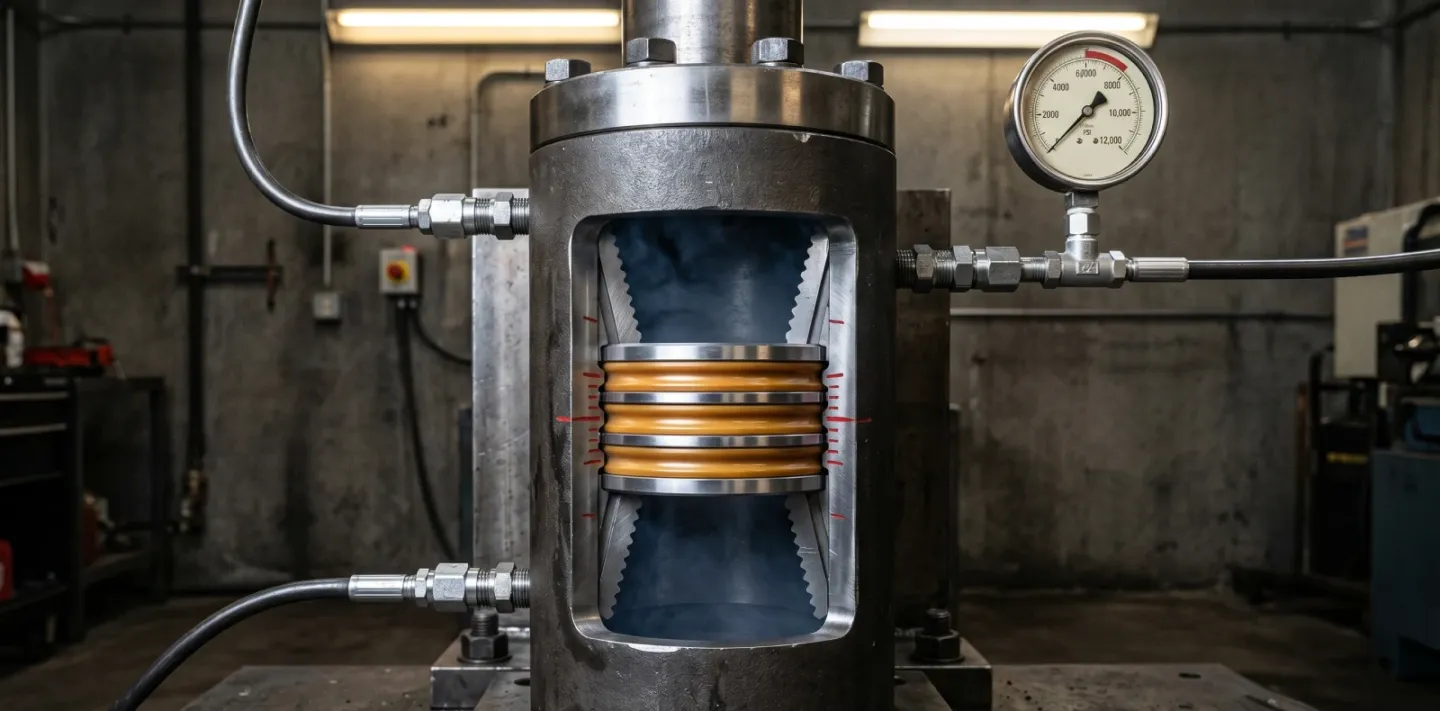
ISO 14310 & API 11D1 Validation Grades: V6 to V0 Explained
Many engineers assume a higher V-number means a tougher packer. It is the opposite. Under ISO 14310 packer validation grades, the scale runs from V6, the minimum, down to V0, the most demanding gas-tight grade — so a lower number means more severe testing, not less. For anyone just trying to understand the basics, that inversion is where most confusion starts.
June 8, 2026
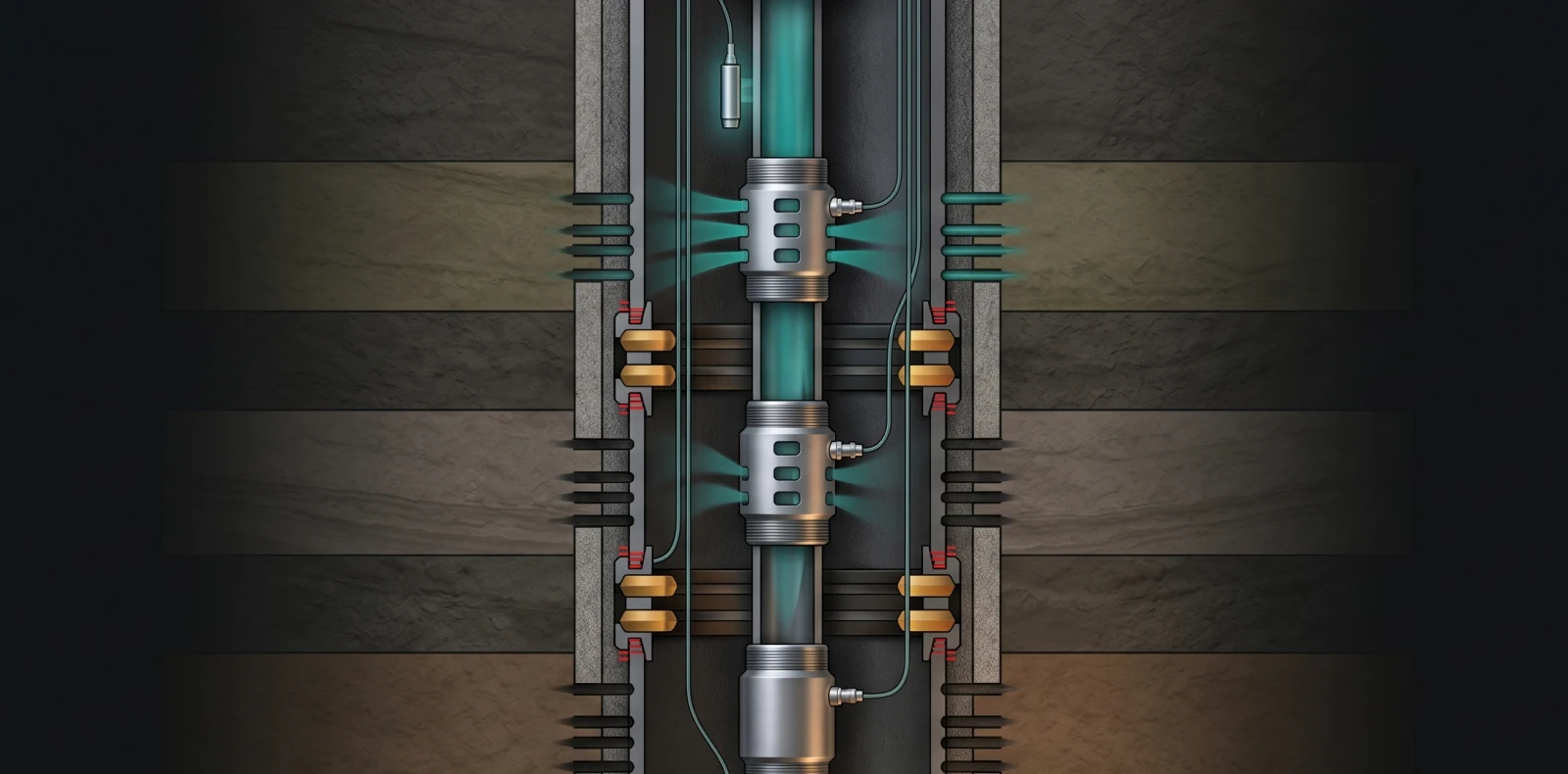
Intelligent Well Completion: Systems, Components and Equipment
Imagine adjusting flow from each zone of a multi-zone reservoir in real time, from surface, without ever sending a rig downhole. That is the promise of intelligent well completion, and for an engineer just trying to understand the basics, the concept is more concrete than the marketing suggests once you see how the pieces connect.
June 8, 2026
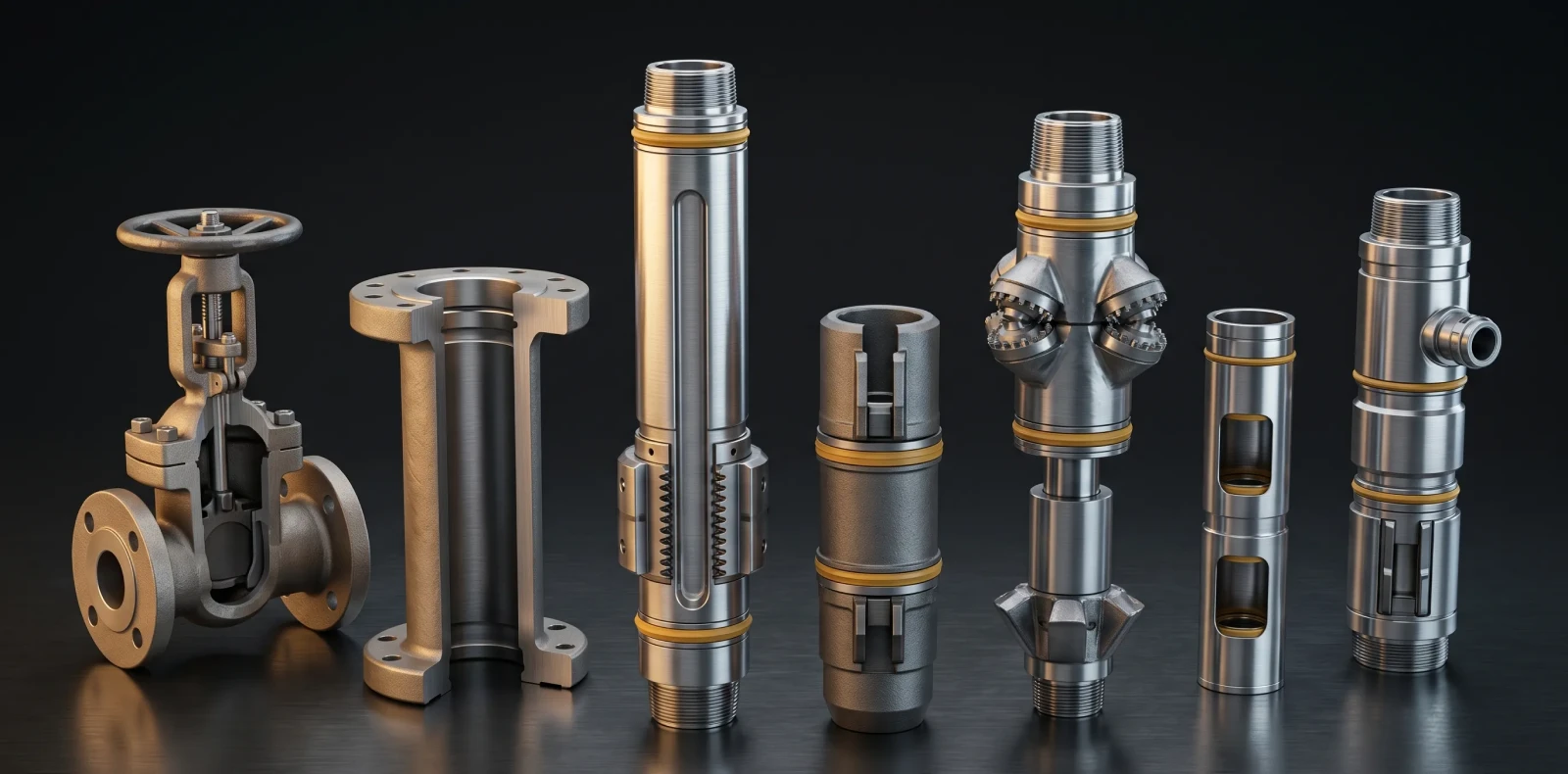
Oil & Gas Equipment Companies in India: Manufacturer Directory 2026
Navigating India's oilfield equipment landscape is challenging without a comprehensive directory, and procurement teams asking "who are the best manufacturers for this?" often lose weeks to vendor research. This directory profiles the key oil and gas equipment companies in India with verified capabilities, so you can build a qualified shortlist faster.
June 8, 2026
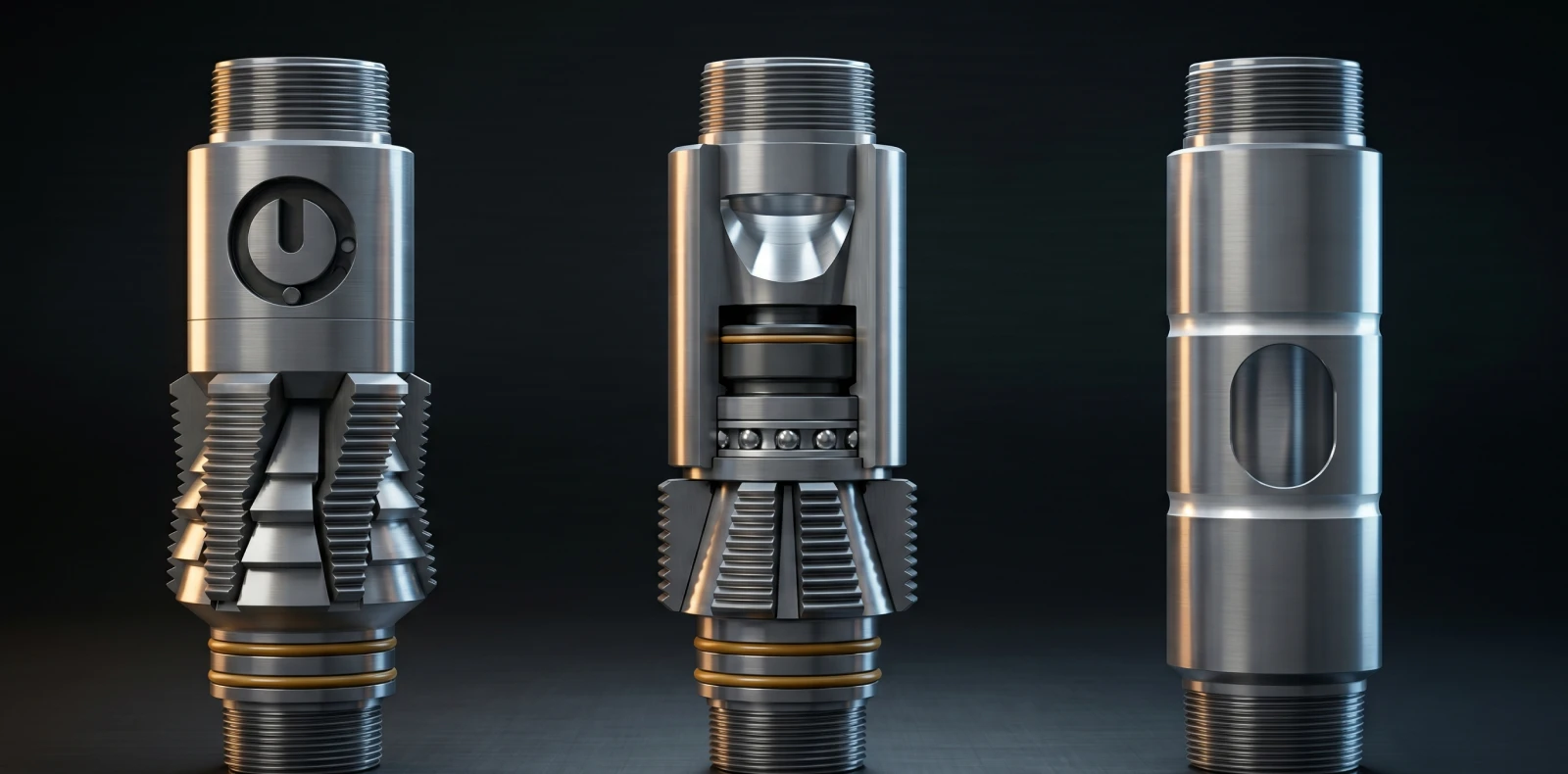
Liner Hanger Types & Selection: Complete Engineering Reference
What type of liner hanger does your well design require? The answer depends on setting depth, liner weight, and whether hydraulic or mechanical actuation suits the hole. For an engineer just trying to understand the basics, the liner hanger types break down into three categories — and knowing how they differ is the first step toward specifying the right one.
June 6, 2026
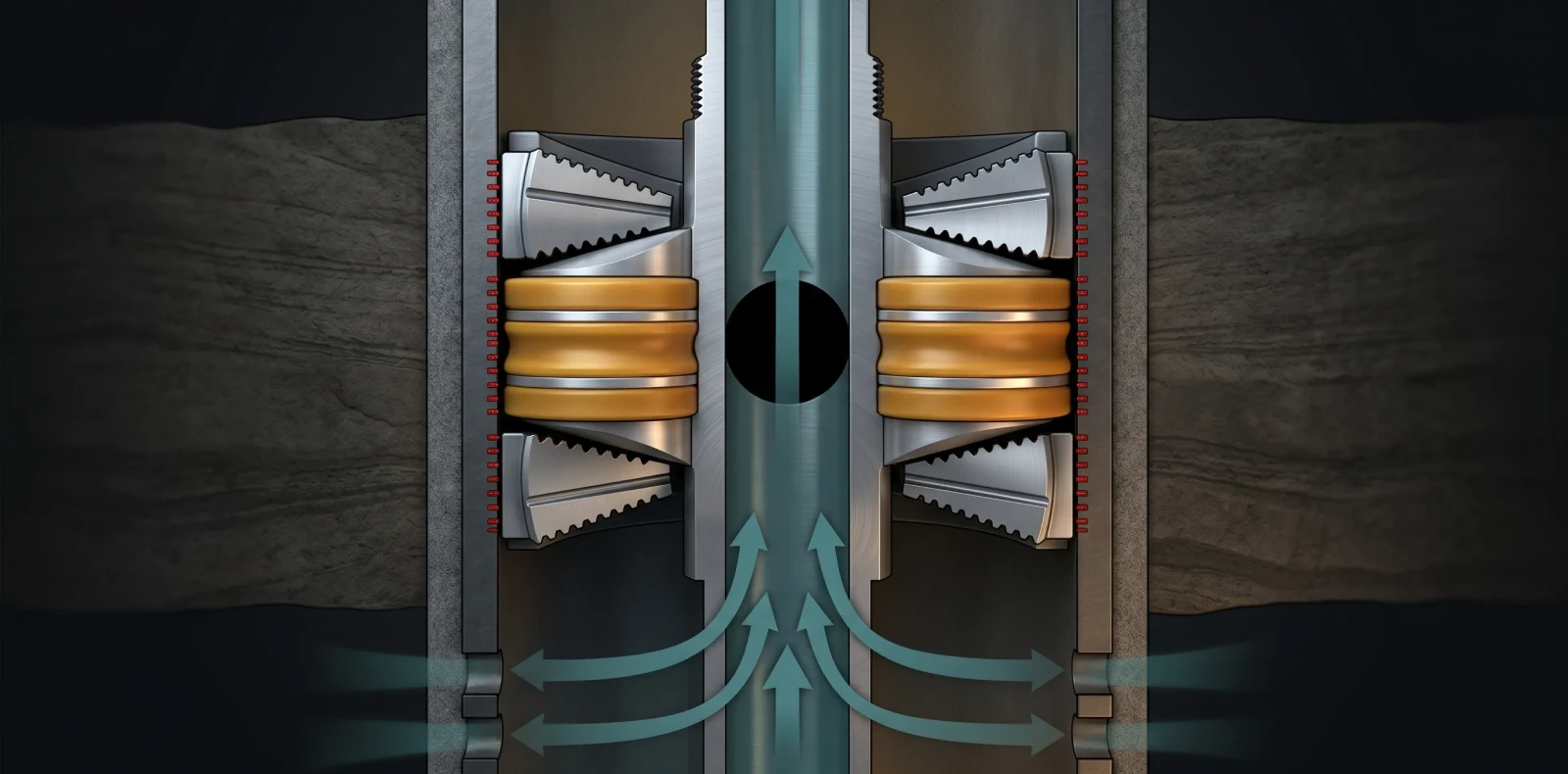
Packer in Well Completion- Functions & How to Select the Right One
Packers are installed in nearly every cased-hole completion worldwide, yet the packer in well completion remains one of the most consequential pieces of downhole hardware to understand. For anyone just trying to understand the basics, the packer is the component that makes controlled production possible by sealing the space between the tubing and the casing.
June 6, 2026
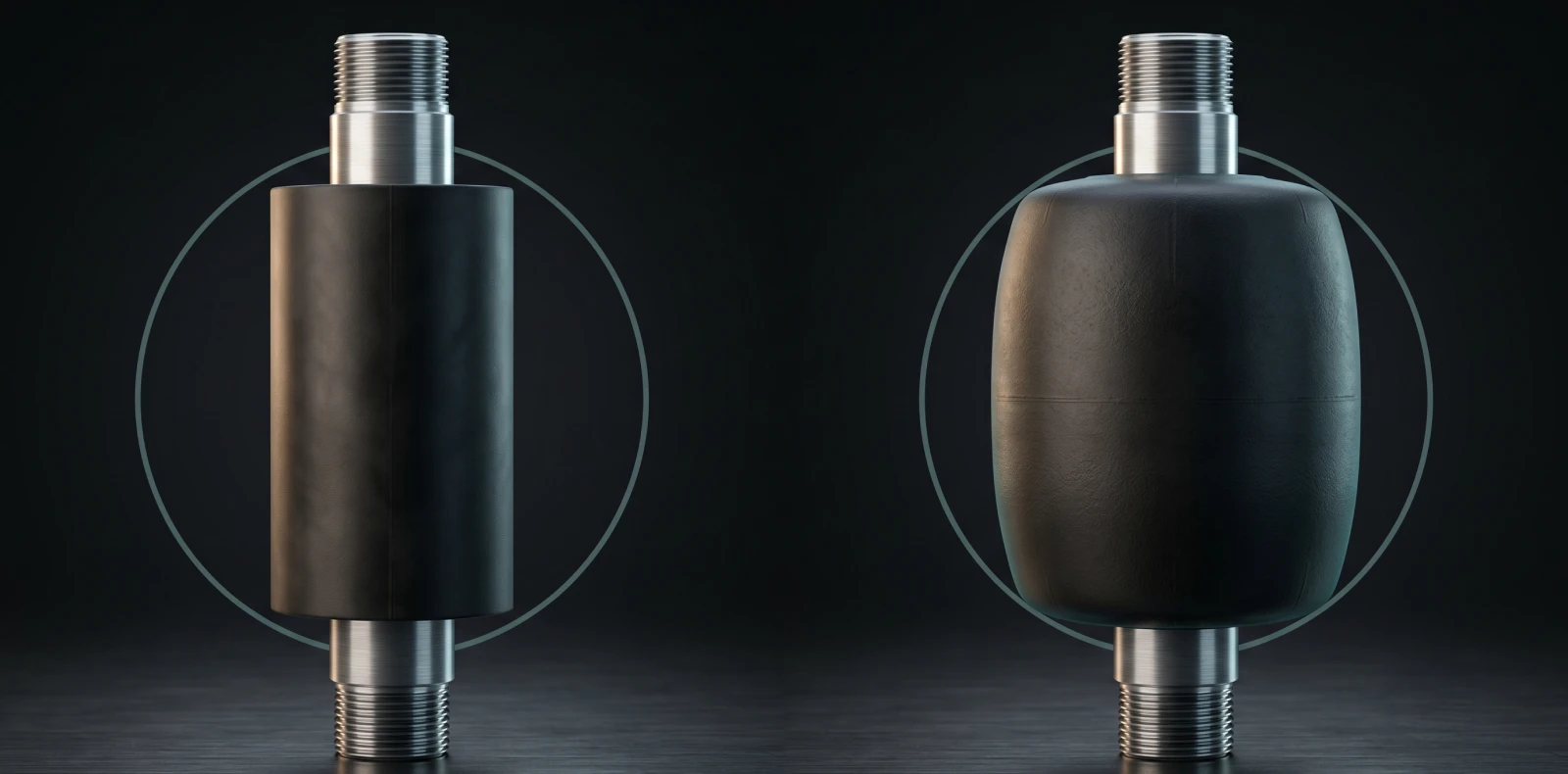
Swellable Packer Applications- Open Hole, HPHT & Water Shutoff Guide
When an operator needs to isolate an open hole section in a horizontal well without cementing, swellable packer applications offer the most direct route to a reliable annular seal. Across open hole zonal isolation, multistage fracturing, and water shutoff, the swellable packer has become the interventionless tool completion engineers reach for when running cement or mechanical packers is impractical or costly
June 6, 2026
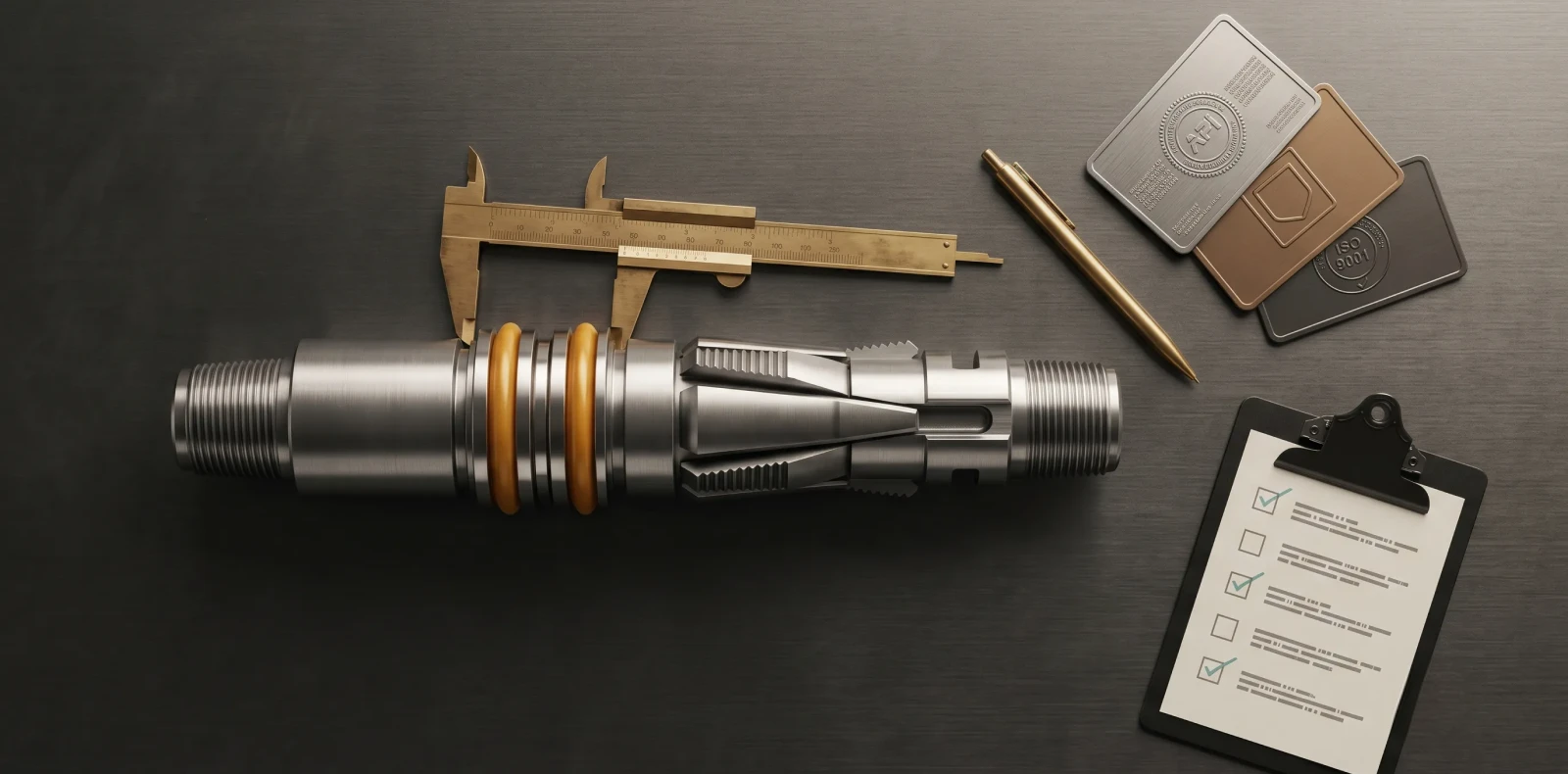
How to Choose an Oilfield Equipment Supplier A Procurement Guide
Choosing the wrong oilfield equipment supplier does not just waste procurement budget; it risks downhole failures that cost ten times the equipment price. Knowing how to choose an oilfield equipment supplier means looking past the catalog and the quotation to the evidence that a vendor can actually deliver safety-critical completion equipment. Procurement engineers who get this right treat the decision as risk management, not purchasing
June 6, 2026
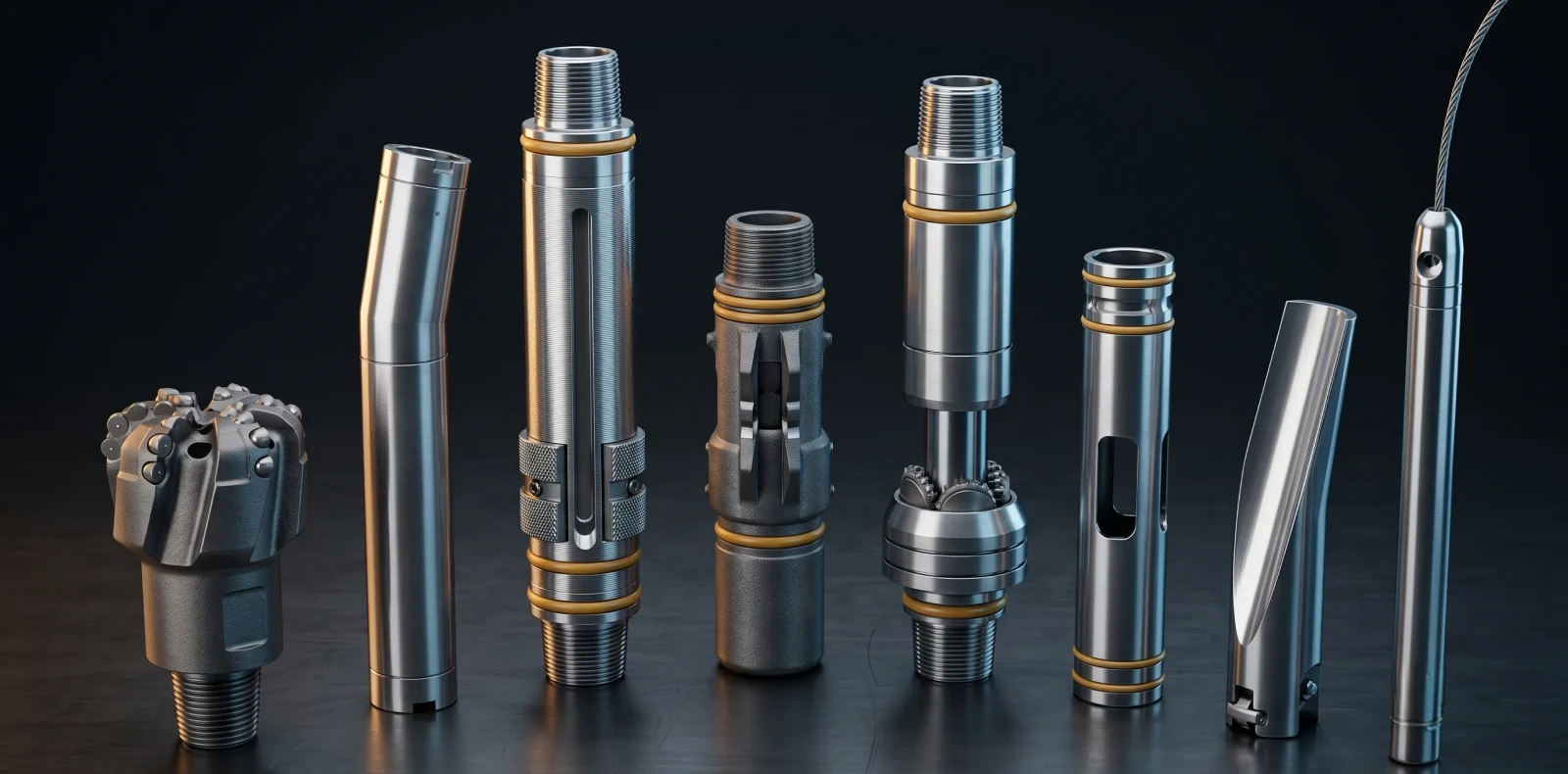
Top Downhole Tool Manufacturers & Suppliers 2026 Global Guide
The global downhole tools market exceeds 5 billion US dollars annually, and the list of companies claiming to serve it is far longer than any procurement team has time to vet. This guide narrows the field: it covers how to evaluate a downhole tool manufacturer, then profiles the global majors, the India-based OEMs, and Maximus OIGA — fairly, with real pros and cons, so you can build an RFQ shortlist without months of vendor research.
June 6, 2026
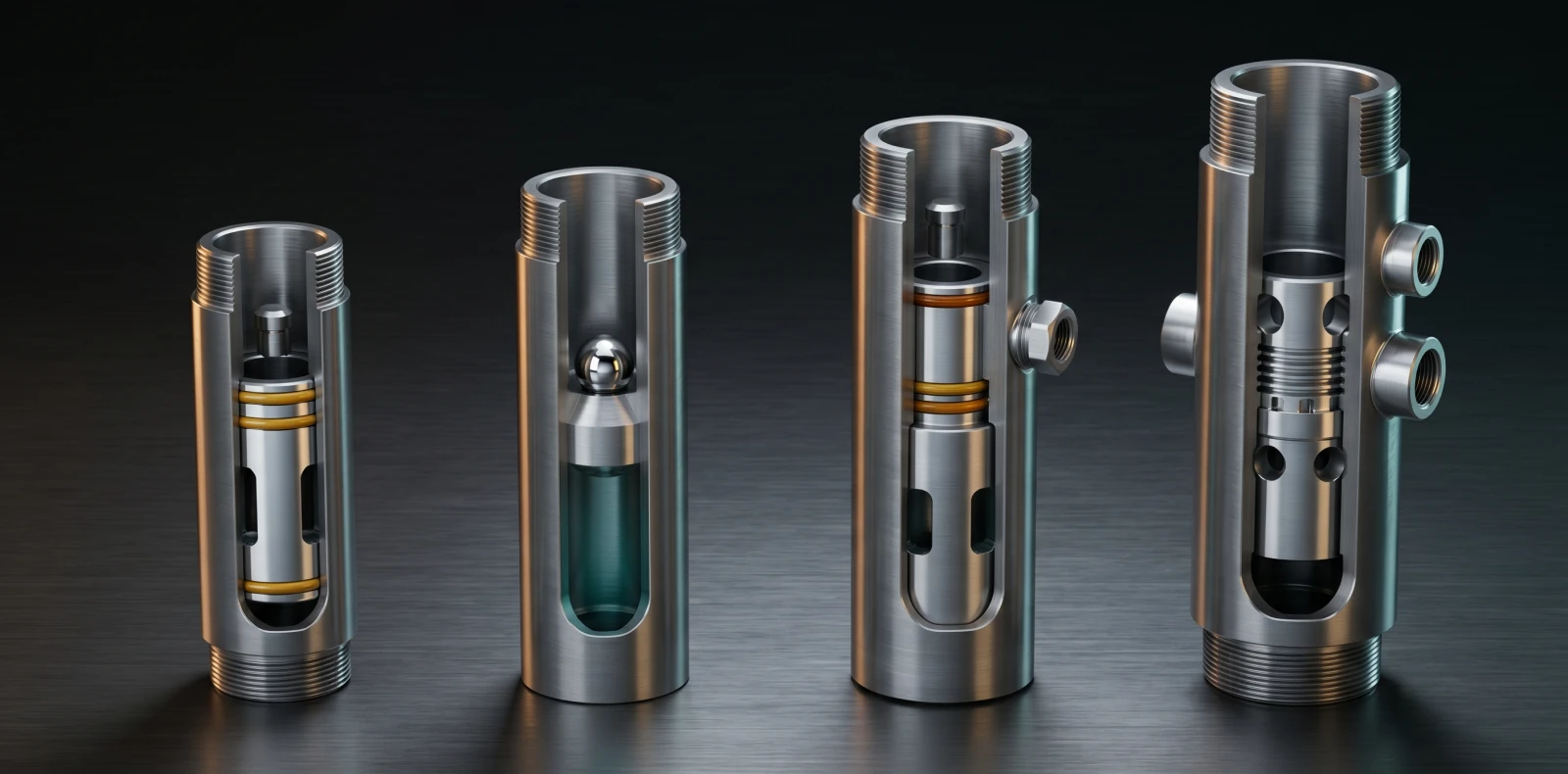
Sliding Sleeve Applications in Well Completion Types & Selection Guide
Sliding sleeves have evolved from simple open/close mechanisms into precision multi-zone flow control devices, and understanding their applications is now central to modern well completion design. This guide covers what a sliding sleeve does, the main types, real downhole applications, and how to select the right one — written for engineers trying to understand the basics and go a level deeper, not for a sales pitch.
June 6, 2026
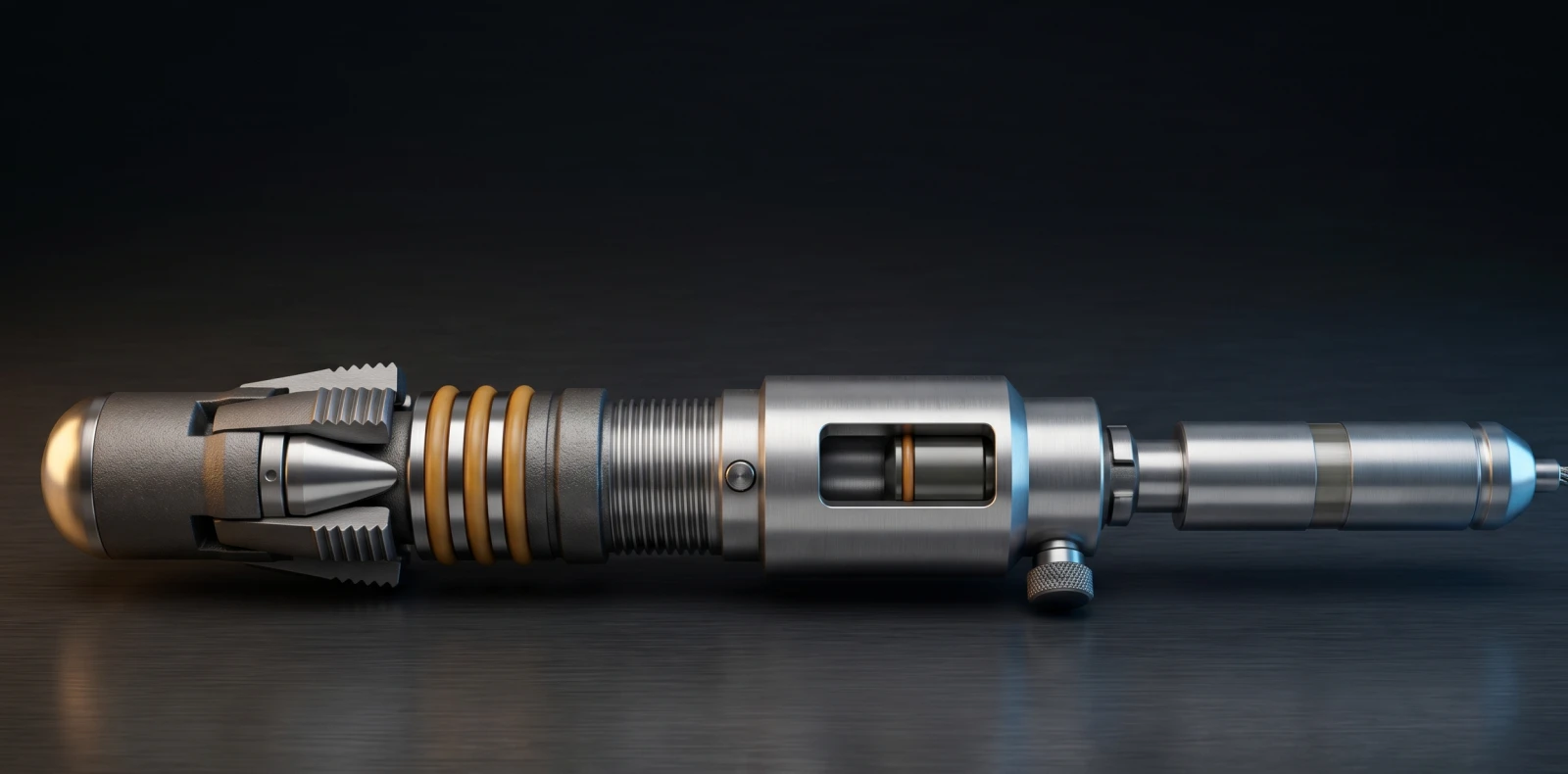
Bridge Plug Setting Procedure Step-by-Step Guide for Wireline Operations
How do you properly set a bridge plug using wireline? This step-by-step procedure covers tool string assembly, depth correlation, setting tool activation, and pressure testing for confirmed well isolation. It is written for field engineers who need the exact sequence right the first time, with 200+ Maximus OIGA installations across India, the Middle East, and Southeast Asia behind it
June 6, 2026