Hydraulic Packer vs Mechanical Packer - Which to Choose for Your Well
Verdict: Each Setting Method Owns a Different Well Profile
The assumption that hydraulic-set packers are always the safer choice is a costly oversimplification. Engineers facing the question — what is the actual difference and which one belongs in this well — often default to hydraulic on the basis of complexity alone, paying for capability the well never demands.
Hydraulic-set packers are set by tubing pressure against a plugging device and require no string manipulation, making them the default choice for deviated, deep, or HPHT wells. Mechanical-set packers are set by tubing weight or rotation, offering lower cost and easier retrieval in shallower, near-vertical wells with stable conditions.
The wrong selection ends the same way regardless of brand: equipment failure downhole, a workover bill, deferred production. Setting method is a function of geometry, depth, and pressure-temperature envelope — not preference.
Hydraulic vs Mechanical Packer at a Glance
At a glance, hydraulic packers excel where tubing manipulation is impractical and pressure differentials are high; mechanical packers excel where retrieval frequency, cost control, and well simplicity dominate. The eight-criteria comparison below isolates the engineering trade-offs that determine which type fits a specific completion.
| Criteria | Hydraulic-Set Packer | Mechanical-Set Packer |
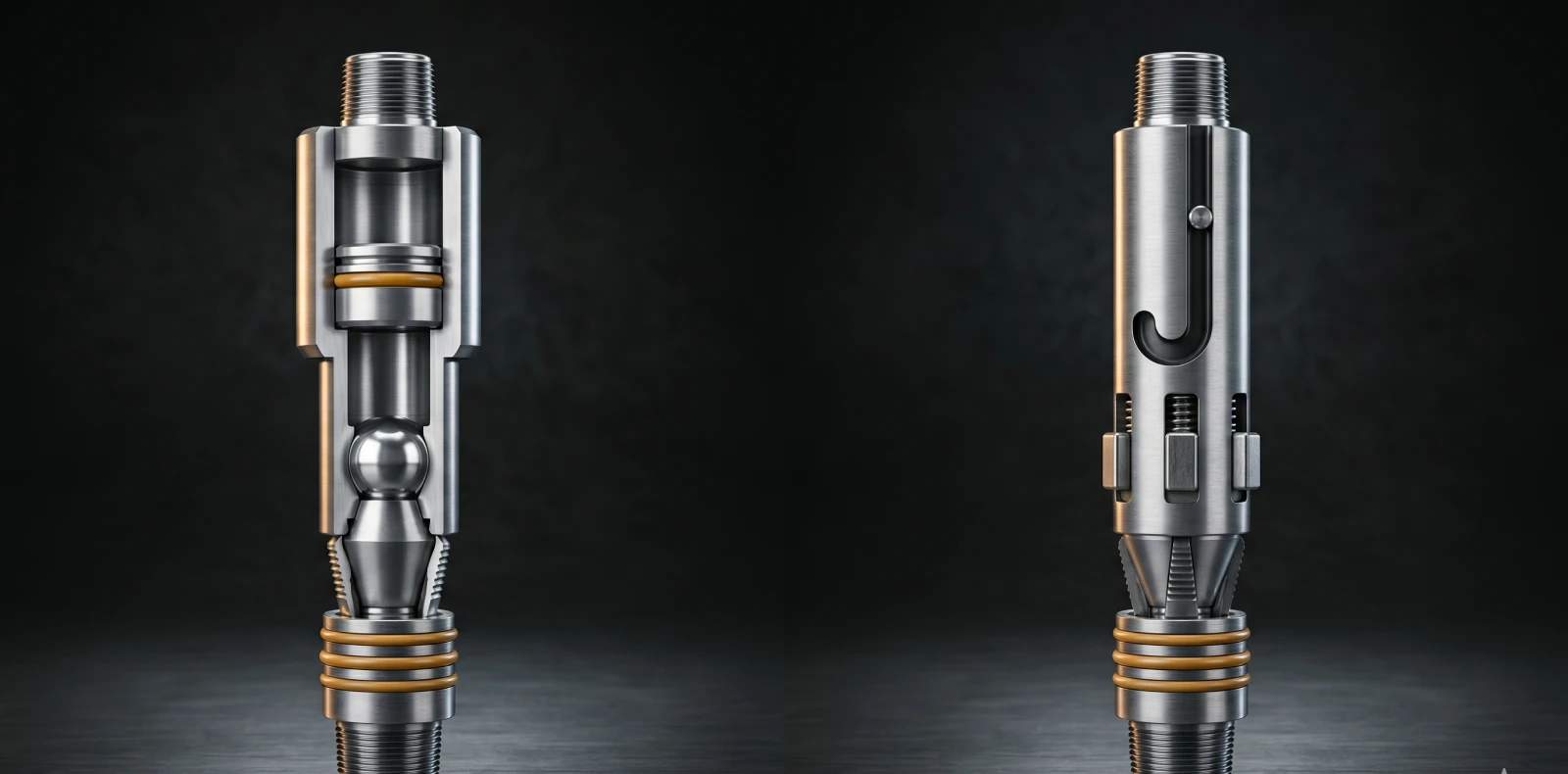
| Setting Mechanism | Tubing pressure against plug or ball below packer; piston drives slips and cone; locked by body lock ring. | Tubing rotation (typically ¼ turn right-hand) plus slack-off weight, or upward tension; J-slot guides slips into engagement. |
| Tubing Manipulation Required | No — key advantage in deviated, deep, or horizontal wells. | Yes — rotation, weight, or pull required at packer depth. |
| Typical Setting Pressure / Force | Low surface pressure: 1,000–2,000 psi above annulus (Baker FH reference); double-piston designs set with even less. | Compression-set: 8,000–14,000 lb minimum setting force on element. Tension-set: pull weight per spec. |
| Ideal Well Profile | Deviated >50°, deep (>12,000 ft / 3,658 m), horizontal, HPHT, offshore, deepwater. | Vertical or shallow-deviation, shallow to moderate depth (typically <12,000 ft), conventional onshore. |
| Pressure / Temperature Suitability | Suited for HPHT (15,000–20,000 psi, 350–450°F) and ultra-HPHT (>20,000 psi, >450°F) with proper design. | Generally lower-to-moderate; suitable up to ~10,000–15,000 psi class depending on element and slip design. |
| Retrieval | Straight upward pull on most designs. | Pull or rotation depending on design; many can be set and reset multiple times in same trip with compatible tools. |
| Relative Cost | Higher — additional hydraulic setting tool and system complexity. | Lower — simpler mechanical assembly; cost-effective for short-life completions. |
| Maximus OIGA Product | PAK VI Series — proprietary hydraulic-set packer; API Q1 + ISO 14310 certified. | DLT Packer + Tension-Set series; API Q1 + ISO 14310 certified. |
The criteria above frame the trade space; the deep dives below explain how each mechanism delivers the seal. For the full Maximus OIGA packer systems range, see the manufacturer overview.
Hydraulic Set Packer — Deep Dive
How It Works
Setting pressure is typically 1,000–2,000 psi above annulus, sufficient to shear the setting screws on a Baker FH-class design. Once the slips engage and the element compresses, hydraulic hold-down buttons extend tungsten-carbide tips into the casing wall, preventing upward movement under differential pressure.
Design validation follows the API 11D1 / ISO 14310 standards (external) across grades V6 to V0, with V0 representing a bubble-tight gas seal under axial loads and temperature cycling.
Specifications & Capability
Element materials — HNBR, FKM (Viton), FFKM (Kalrez), EPDM, Aflas — are selected by temperature and fluid-compatibility envelope. Industry-published HPHT capability extends to 20,000 psi and 450°F+, with documented field cases at 470°F.
Maximus OIGA manufactures the PAK VI Series at its Vadodara facility under in-house qualification testing and third-party API Q1 + ISO 14310 audit. The series is configurable to V0 grade for HPHT service, with 200+ installations across India, the Middle East, and Southeast Asia. Full specifications: hydraulic packer manufacturer
Pros, Cons, and Where It Belongs
Pros:
No tubing manipulation required. Reliable in deviated, deep, and offshore deepwater wells. Can be installed and flanged-up before the setting sequence begins — essential for completions that integrate a subsurface safety valve before final isolation.
Cons:
Higher cost than equivalent mechanical designs. More complex assembly. Vulnerable if hydraulic pressure is lost during setting, though the body lock ring secures the set state once achieved.
Ideal applications: deviated wells above 50°, deep set beyond 12,000 ft (3,658 m), HPHT and ultra-HPHT service, offshore platforms, and ESP completions where tubing rotation would compromise the cable.
[OPTIONAL IMAGE: hydraulic-set-packer-mechanism.webp — schematic of piston, slips, cone, element]
Mechanical Set Packer — Deep Dive
How It Works
The J-slot on the packer mandrel controls slip-ring movement: rotation shifts the J-pin from the locked position to the setting track while drag springs hold the body stationary against the casing. Compression-set designs require a minimum 8,000–14,000 lb setting force on the element, per the standard packer setting mechanisms reference; a 7-inch packer typically needs 25,000–30,000 lb of slack-off weight for a high-pressure seal. Tension-set designs reverse the force vector — the tubing is landed in tension and released by lowering past the original tension and rotating clockwise.
Specifications & Capability
Most mechanical-set retrievable designs support multiple set-and-release cycles in the same trip — RTTS-class tools and equivalent designs are built around it. Pressure suitability typically lands in the 10,000–15,000 psi class depending on element durometer and slip configuration. Rotation conventions are usually right-hand at the packer; manufacturer instruction governs every run.
Maximus OIGA manufactures the DLT Packer and Tension-Set series at Vadodara under the same API Q1 + ISO 14310 qualification protocol applied to PAK VI. Full specifications: mechanical packer manufacturer
Pros, Cons, and Where It Belongs
Pros:
Lower per-unit cost. Simpler mechanical assembly with no hydraulic system dependency. Easier to install and retrieve in suitable wells. Reset-able multiple times in the same trip on compatible designs — a real advantage in workover, water-flood, and injection service.
Cons:
Tubing manipulation is the entire setting interface, which becomes unreliable above 12,000 ft and impractical in deviated or horizontal wells. Reliance on tubing weight or tension can fail if pressure differentials shift. Not recommended for HPHT applications.
Ideal applications: shallow-to-moderate depth completions (<12,000 ft), near-vertical wells, water-flood and injection wells, multi-zone retrievable completions where workovers are anticipated, and well testing, acidizing, or squeeze-cement service in the RTTS class.
Which Is Right for Your Well? A Decision Framework
For deviated wells above 50 degrees inclination, deep wells beyond 12,000 feet, or HPHT service, hydraulic-set packers are the engineering default. For shallow, near-vertical, lower-pressure wells with anticipated workovers, mechanical-set packers deliver equivalent isolation at lower cost and simpler retrieval.
The matrix below organises the four conditions that drive packer selection criteria. Use it to defend your selection in technical review.
| If Your Well Profile Is… | Choose | Why |
| Vertical, shallow-to-moderate depth (<8,000 ft), conventional production | MECHANICAL SET PACKER | Lower cost, retrievable, suitable for water-flood and injection service. DLT or Tension-Set series. |
| Deviated >50° OR depth >12,000 ft (3,658 m) | HYDRAULIC SET PACKER | Tubing manipulation is impractical at this geometry — pressure setting eliminates rotation and weight dependency. PAK VI Series. |
| HPHT (15,000–20,000 psi, 350–450°F) OR ultra-HPHT (>20,000 psi, >450°F) | HYDRAULIC SET PACKER (V0 grade preferred) | API 11D1 / ISO 14310 V0 grade is required for bubble-tight gas seal under thermal cycling. PAK VI is configurable to V0. |
| Multi-zone retrievable completion with anticipated workovers | MECHANICAL SET PACKER (set/reset capable design) | RTTS-class designs allow multiple set-and-release cycles in the same trip with simple tubing manipulation. DLT-class. |
Frequently Asked Questions
What is the difference between hydraulic and mechanical set packers?
Hydraulic-set packers are set by tubing pressure applied against a plug below the packer — no tubing manipulation is required. Mechanical-set packers are set by tubing weight (compression) or upward pull (tension), typically with a quarter-turn rotation through a J-slot. Hydraulic suits deviated, deep, and HPHT wells; mechanical suits shallower, near-vertical wells where workovers are expected. Maximus OIGA manufactures both — PAK VI on the hydraulic side, DLT and Tension-Set on the mechanical side.
When should you choose a hydraulic packer over a mechanical packer?
Choose hydraulic when the well is deviated above 50° or depth exceeds 12,000 ft (3,658 m) — at that geometry, tubing rotation becomes unreliable and weight transfer is hard to control. Choose hydraulic for HPHT service (15,000–20,000 psi, 350–450°F) or ultra-HPHT (>20,000 psi, >450°F) where seal integrity under thermal cycling is non-negotiable. Choose hydraulic for offshore and deepwater completions where wave-induced tubing motion makes mechanical setting unsafe, and when a subsurface safety valve requires the packer to be set after flange-up.
Can a hydraulic packer be retrieved like a mechanical one?
Yes — both retrievable hydraulic and retrievable mechanical packers exist. Retrievability is a design class, not an outcome of the setting method. Retrievable hydraulic packers release with straight upward pull (typically 20,000–30,000 lb to shear release pins). Retrievable mechanical packers may release with pull, rotation, or slack-off-then-pickup depending on the J-slot configuration. The choice between permanent and retrievable depends on planned workover frequency.
Which is more cost-effective — hydraulic or mechanical packers?
Mechanical packers carry the lower per-unit cost: simpler assembly, no hydraulic system dependency. Hydraulic packers carry higher upfront cost but eliminate tubing-manipulation risk — a single failed setting attempt in a deep or deviated well can wipe out the price difference many times over. The total-cost view is straightforward: in shallow vertical wells with planned workovers, mechanical wins; in deep, deviated, or HPHT wells, hydraulic wins once failure-mode risk is priced in. Both PAK VI and DLT lines are quote-based — request specifications tailored to the well.
Related
- ISO 14310 & API 11D1 Validation Grades: V6 to V0 Explained
- Intelligent Well Completion: Systems, Components and Equipment
- Oil & Gas Equipment Companies in India: Manufacturer Directory 2026
- Liner Hanger Types & Selection: Complete Engineering Reference
- Packer in Well Completion- Functions & How to Select the Right One
- Swellable Packer Applications- Open Hole, HPHT & Water Shutoff Guide
- How to Choose an Oilfield Equipment Supplier A Procurement Guide
- Top Downhole Tool Manufacturers & Suppliers 2026 Global Guide
- Sliding Sleeve Applications in Well Completion Types & Selection Guide
- Bridge Plug Setting Procedure Step-by-Step Guide for Wireline Operations
More Information
Related News & Insights
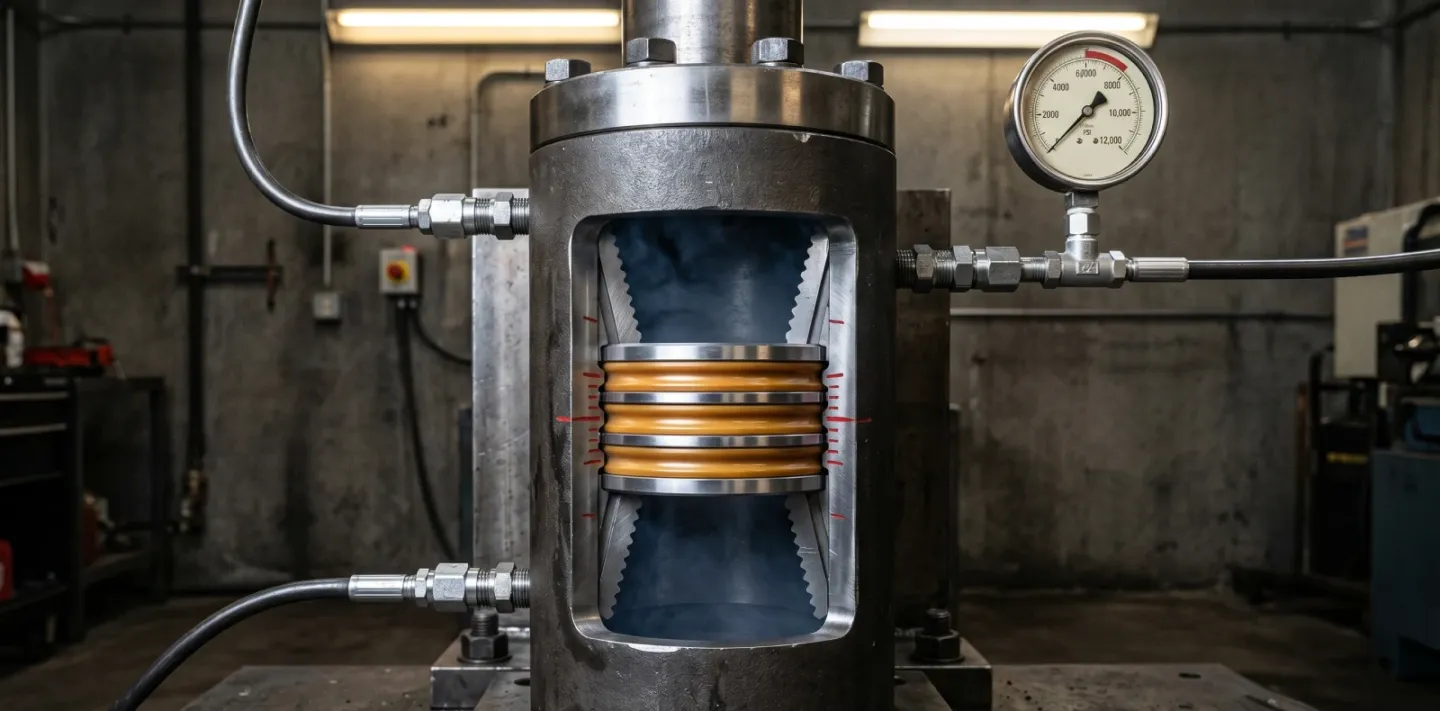
ISO 14310 & API 11D1 Validation Grades: V6 to V0 Explained
Many engineers assume a higher V-number means a tougher packer. It is the opposite. Under ISO 14310 packer validation grades, the scale runs from V6, the minimum, down to V0, the most demanding gas-tight grade — so a lower number means more severe testing, not less. For anyone just trying to understand the basics, that inversion is where most confusion starts.
June 8, 2026
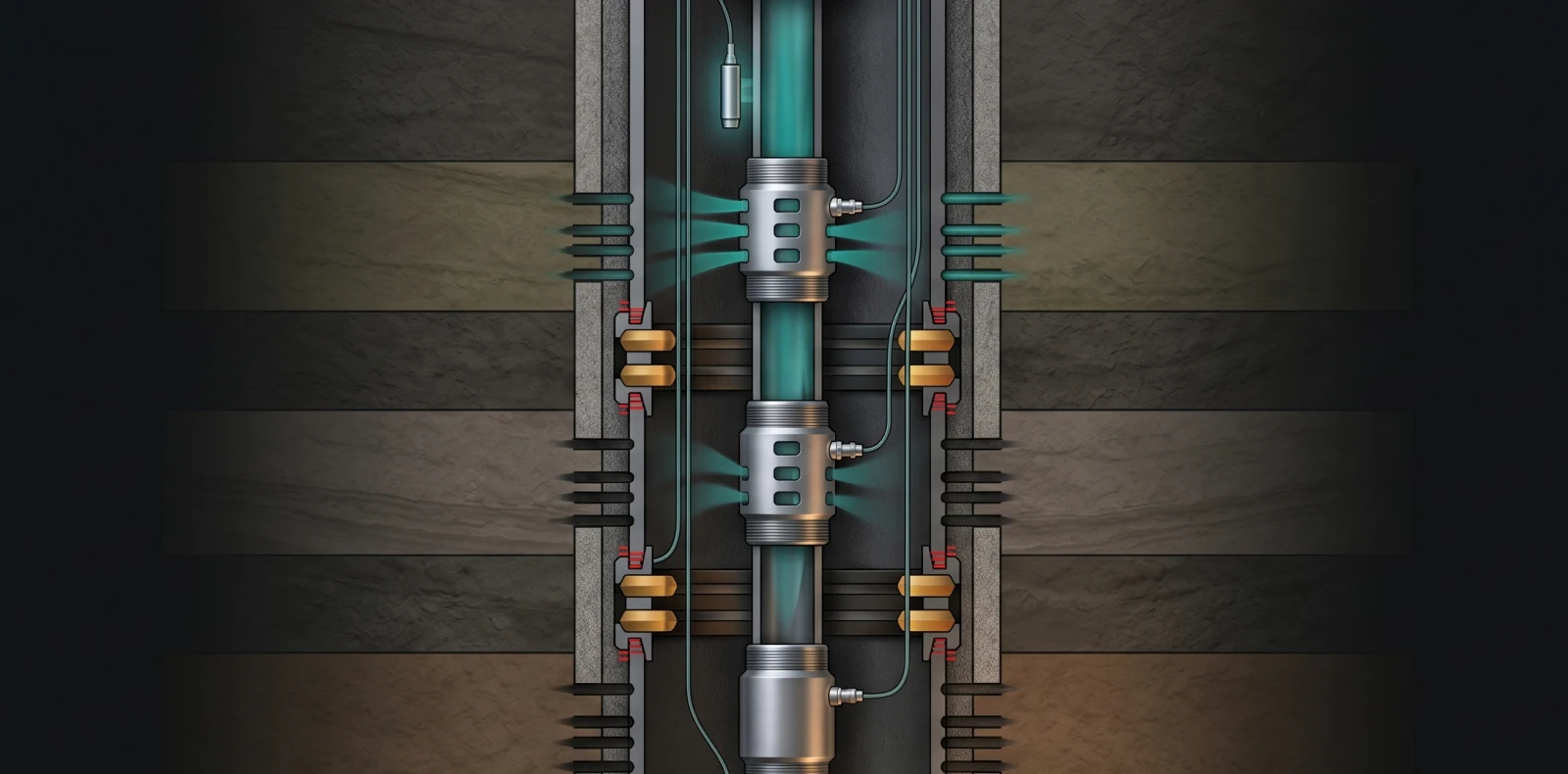
Intelligent Well Completion: Systems, Components and Equipment
Imagine adjusting flow from each zone of a multi-zone reservoir in real time, from surface, without ever sending a rig downhole. That is the promise of intelligent well completion, and for an engineer just trying to understand the basics, the concept is more concrete than the marketing suggests once you see how the pieces connect.
June 8, 2026
Oil & Gas Equipment Companies in India: Manufacturer Directory 2026
Navigating India's oilfield equipment landscape is challenging without a comprehensive directory, and procurement teams asking "who are the best manufacturers for this?" often lose weeks to vendor research. This directory profiles the key oil and gas equipment companies in India with verified capabilities, so you can build a qualified shortlist faster.
June 8, 2026
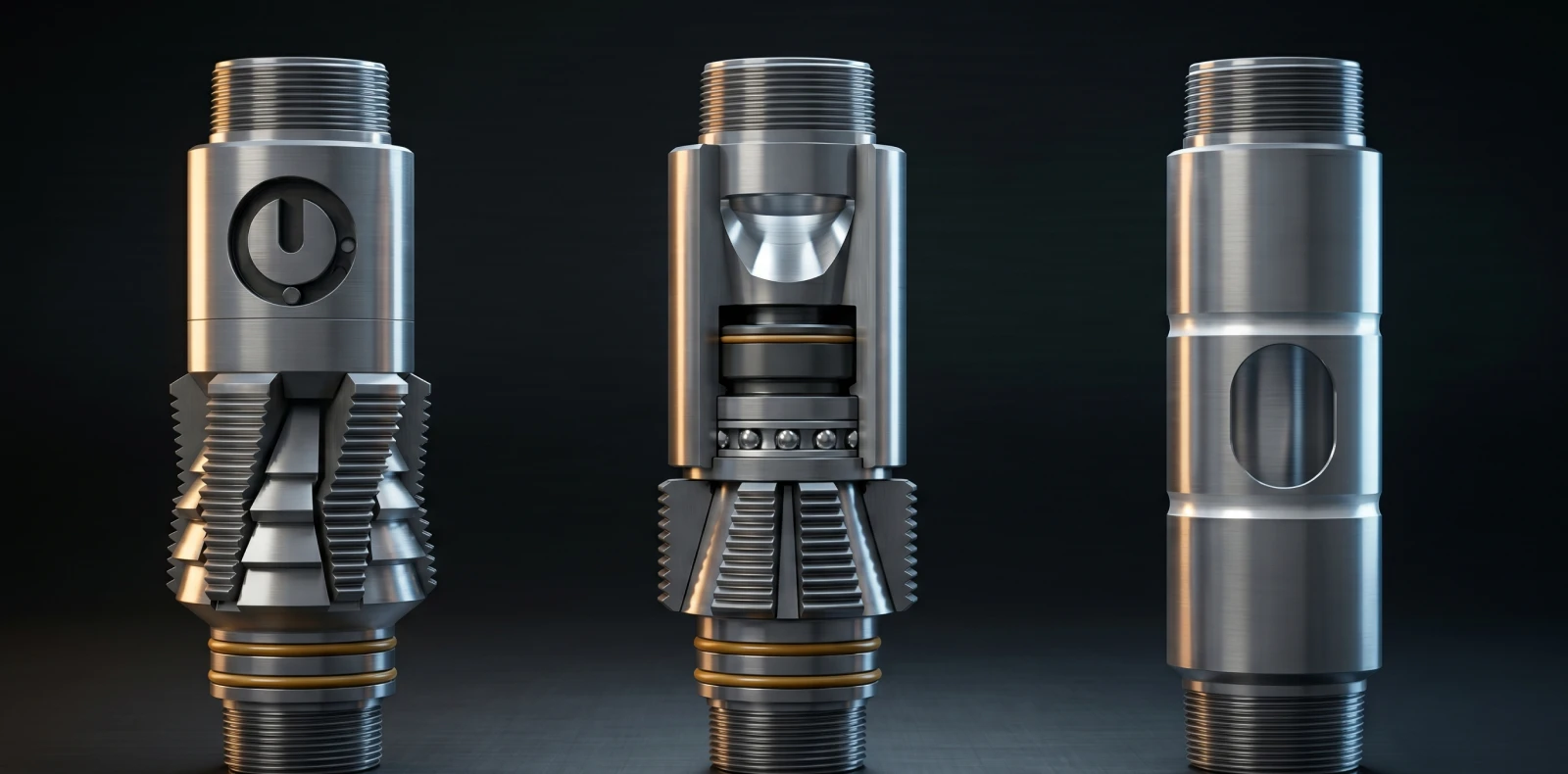
Liner Hanger Types & Selection: Complete Engineering Reference
What type of liner hanger does your well design require? The answer depends on setting depth, liner weight, and whether hydraulic or mechanical actuation suits the hole. For an engineer just trying to understand the basics, the liner hanger types break down into three categories — and knowing how they differ is the first step toward specifying the right one.
June 6, 2026
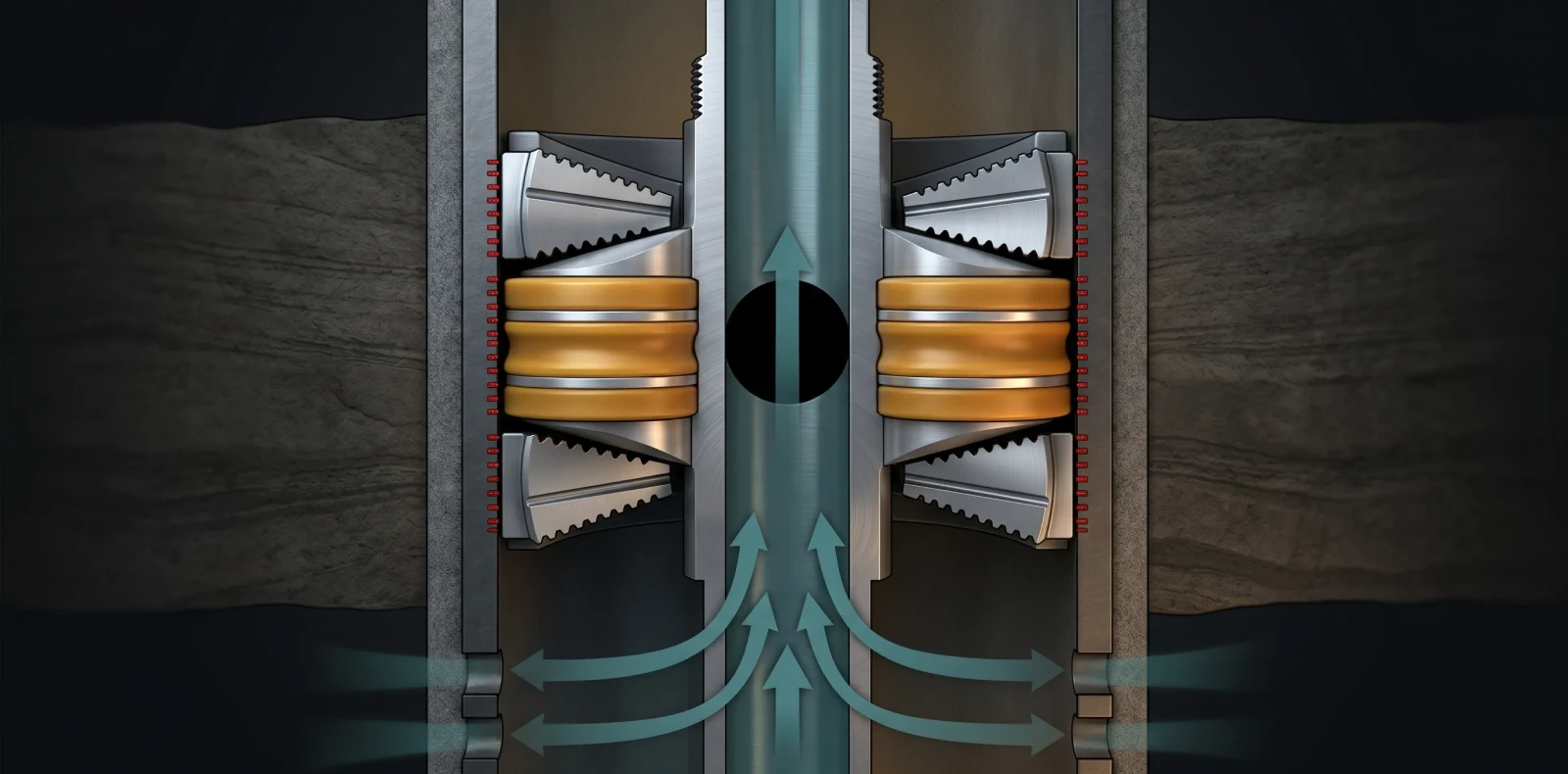
Packer in Well Completion- Functions & How to Select the Right One
Packers are installed in nearly every cased-hole completion worldwide, yet the packer in well completion remains one of the most consequential pieces of downhole hardware to understand. For anyone just trying to understand the basics, the packer is the component that makes controlled production possible by sealing the space between the tubing and the casing.
June 6, 2026
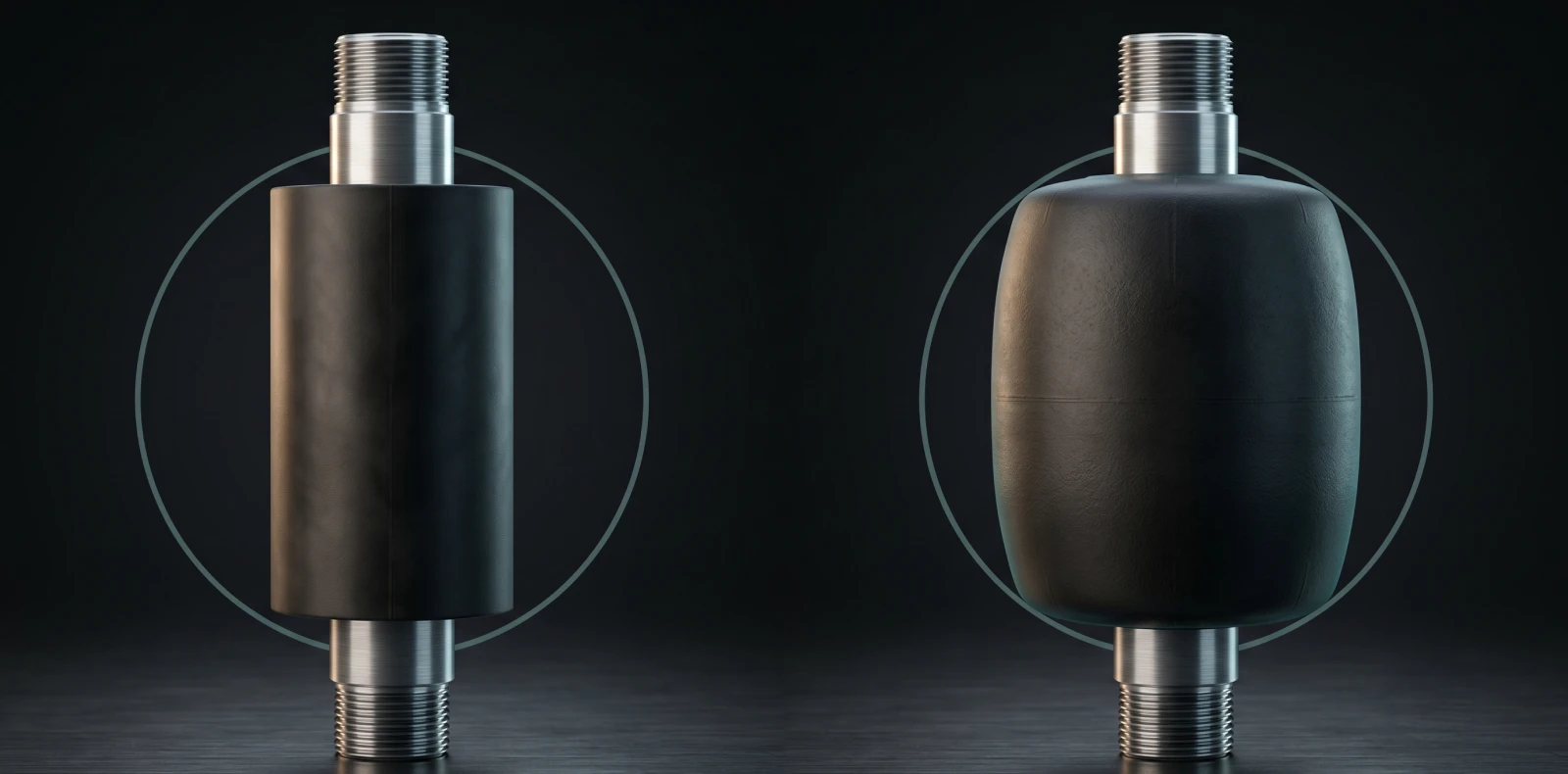
Swellable Packer Applications- Open Hole, HPHT & Water Shutoff Guide
When an operator needs to isolate an open hole section in a horizontal well without cementing, swellable packer applications offer the most direct route to a reliable annular seal. Across open hole zonal isolation, multistage fracturing, and water shutoff, the swellable packer has become the interventionless tool completion engineers reach for when running cement or mechanical packers is impractical or costly
June 6, 2026
How to Choose an Oilfield Equipment Supplier A Procurement Guide
Choosing the wrong oilfield equipment supplier does not just waste procurement budget; it risks downhole failures that cost ten times the equipment price. Knowing how to choose an oilfield equipment supplier means looking past the catalog and the quotation to the evidence that a vendor can actually deliver safety-critical completion equipment. Procurement engineers who get this right treat the decision as risk management, not purchasing
June 6, 2026
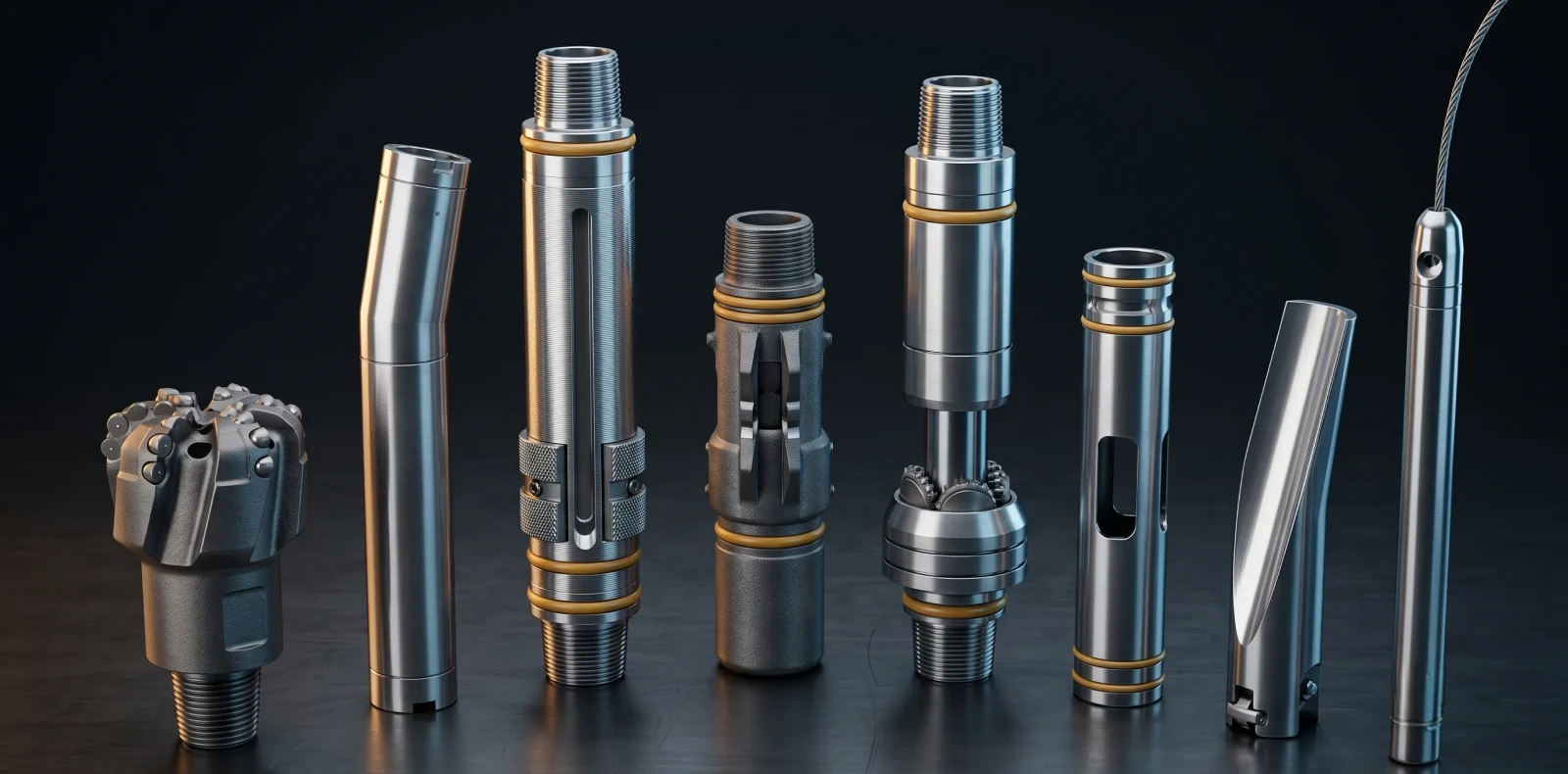
Top Downhole Tool Manufacturers & Suppliers 2026 Global Guide
The global downhole tools market exceeds 5 billion US dollars annually, and the list of companies claiming to serve it is far longer than any procurement team has time to vet. This guide narrows the field: it covers how to evaluate a downhole tool manufacturer, then profiles the global majors, the India-based OEMs, and Maximus OIGA — fairly, with real pros and cons, so you can build an RFQ shortlist without months of vendor research.
June 6, 2026
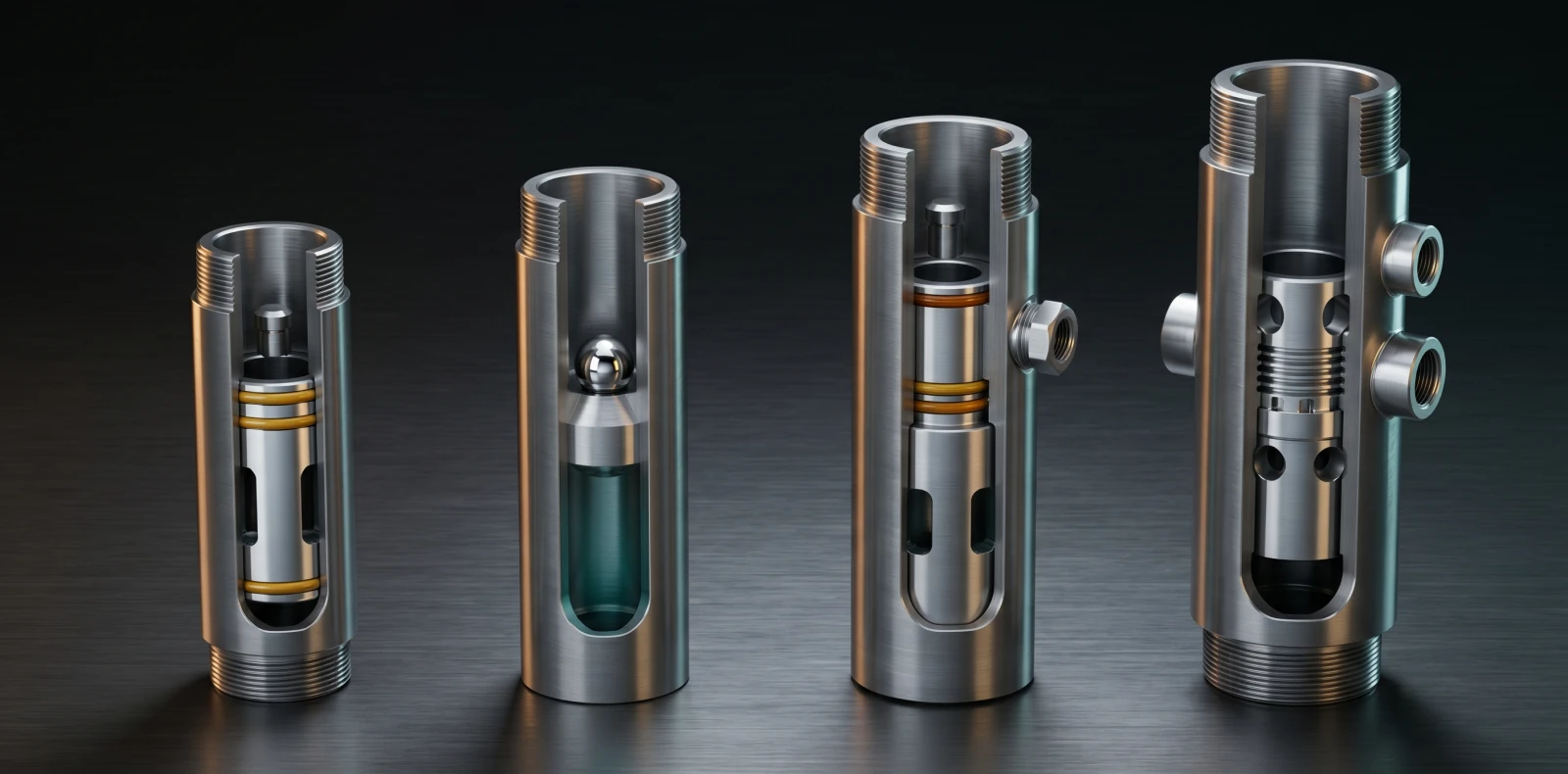
Sliding Sleeve Applications in Well Completion Types & Selection Guide
Sliding sleeves have evolved from simple open/close mechanisms into precision multi-zone flow control devices, and understanding their applications is now central to modern well completion design. This guide covers what a sliding sleeve does, the main types, real downhole applications, and how to select the right one — written for engineers trying to understand the basics and go a level deeper, not for a sales pitch.
June 6, 2026
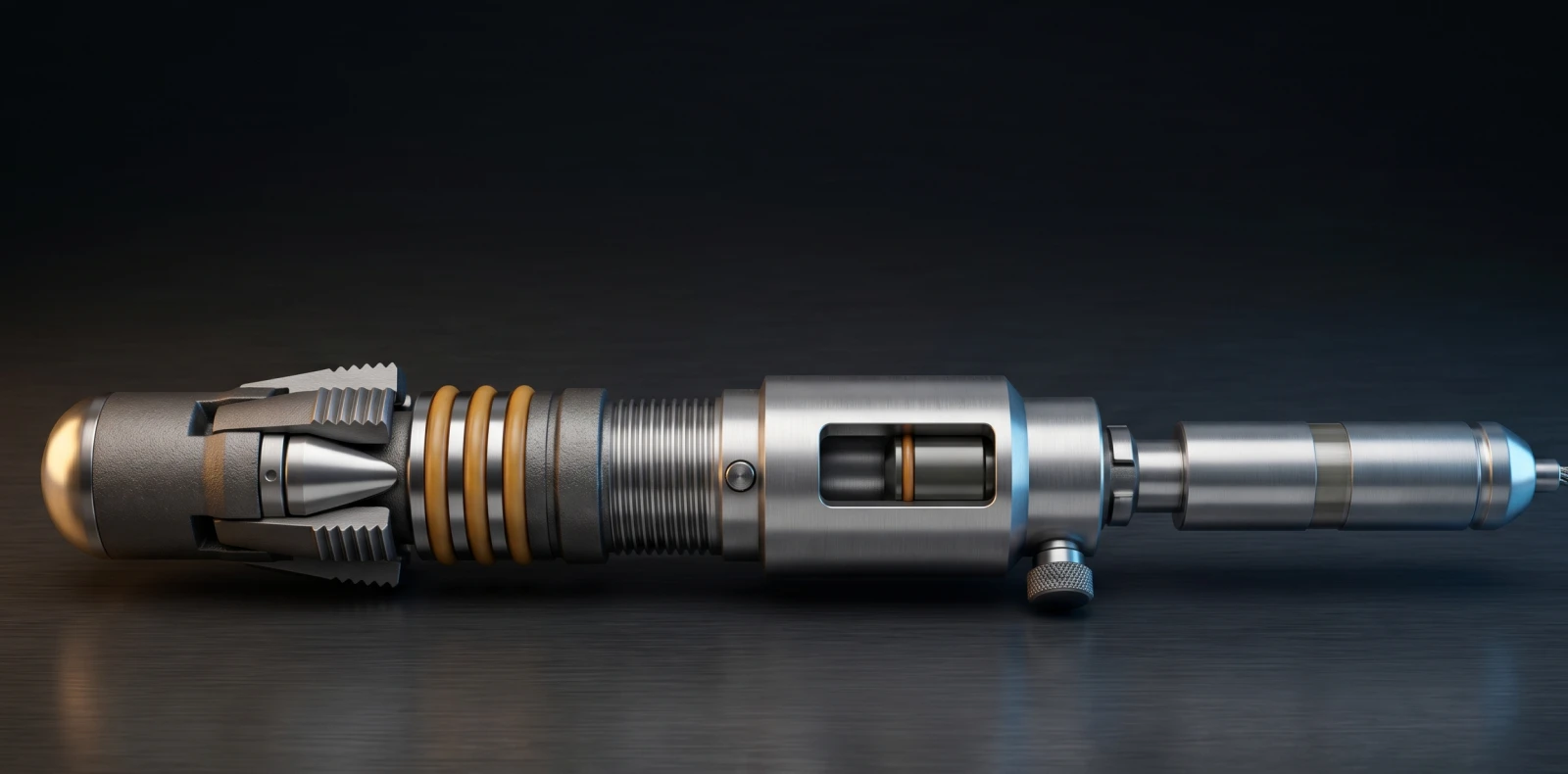
Bridge Plug Setting Procedure Step-by-Step Guide for Wireline Operations
How do you properly set a bridge plug using wireline? This step-by-step procedure covers tool string assembly, depth correlation, setting tool activation, and pressure testing for confirmed well isolation. It is written for field engineers who need the exact sequence right the first time, with 200+ Maximus OIGA installations across India, the Middle East, and Southeast Asia behind it
June 6, 2026