Permanent vs Retrievable Packer- Selection Guide for Well Operators
VERDICT — The permanent vs retrievable packer decision is determined by two axes: well life expectancy and intervention frequency. Long-life isolation with no planned workovers favours a permanent packer. Workover-prone or short-life completions favour a retrievable packer.
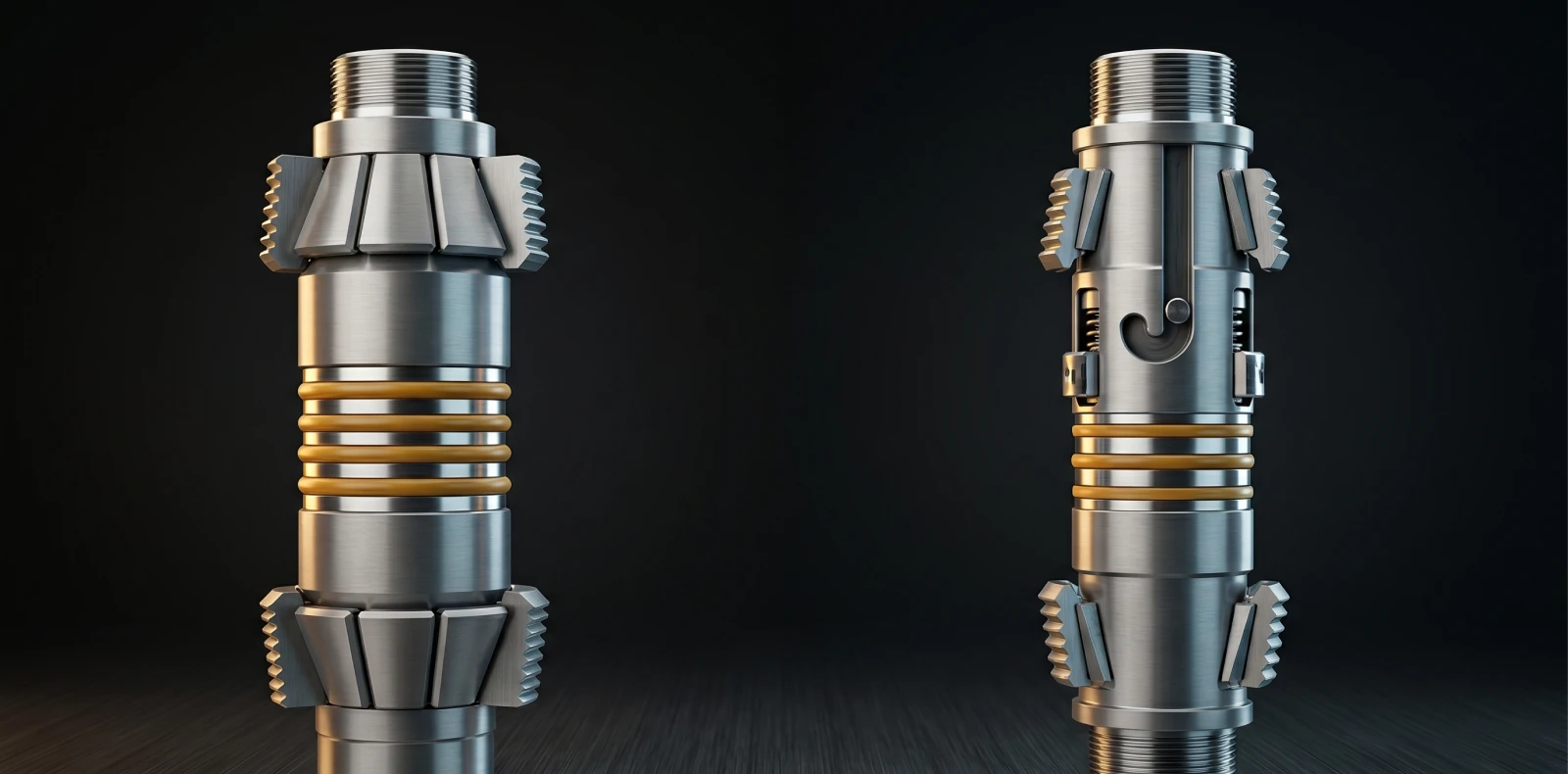
Permanent packers are set once and removed only by milling, achieving the highest pressure and temperature ratings — up to 20,000 PSI at 475°F per leading manufacturer specifications. Retrievable packers can be released and pulled with the completion string, suited for shorter completion life or planned workover access. Well life expectancy and intervention frequency determine the choice.
This guide compares the seven decision-driving parameters and maps each option to specific well scenarios so completion engineers can justify the selection upstream.
Permanent vs Retrievable Packer: Side-by-Side Comparison
This side-by-side comparison covers the seven decision-driving parameters: pressure rating, temperature rating, setting method, retrieval method, drillability, typical applications, and operational cost profile. Both packer classes are validated to API 11D1 / ISO 14310, but their performance envelopes and intervention economics differ substantially across well types.
| Criteria | Permanent Packer | Retrievable Packer |
|---|---|---|
| Pressure Rating | Up to ~20,000 PSI (industry max, e.g., Halliburton) | Up to ~15,000 PSI (industry max, e.g., Halliburton) |
| Temperature Rating | Up to 475°F (246°C) standard; >500°F achievable | Up to ~400°F (204°C); generally limited to 300°F continuous service |
| Setting Method | Hydraulic, wireline (electric line), tubing tension, or tubing rotation | Hydraulic, mechanical (J-slot, rotation), hydrostatic, or wireline |
| Retrieval Method | Milling only (destructive) | Tubing manipulation: pull, rotation, or shear release (non-destructive) |
| Drillability | Designed to be drilled/milled out | Designed to be retrieved intact and reused after redress |
| Typical Cost Profile | Lower initial cost (fewer components); higher removal cost if intervention needed | Higher initial cost (more components); lower workover cost when intervention required |
| Standards Validation | API 11D1 / ISO 14310 grades V0–V6 | API 11D1 / ISO 14310 grades V0–V6 (typically lower envelope) |
| Maximus OIGA Product | PAK VI Permanent Set (forthcoming variants) | PAK VI Hydraulic Retrievable Set + SpectraMax DLT Retrievable |
Pressure and temperature ratings vary by series and validation grade. Maximus OIGA manufactures both classes within the PAK VI series — the hydraulic-set retrievable variant for workover-friendly completions, and permanent-set variants engineered for long-life zonal isolation under HPHT conditions.
Permanent Packer: Specifications, Strengths, and Ideal Applications
How It Works
A permanent packer is run to depth on the completion string or wireline and set by one of four mechanisms: wireline electric-line setting tool, applied tubing tension, hydraulic pressure, or tubing rotation. Once set, the packer maintains its seal independently — tubing tension is not required to hold the element against the casing.
The packer remains in place for the life of the completion. Removal is destructive — a workover rig and milling assembly cut through the body to recover the wellbore.
Specifications
| Specification | Permanent Packer Range |
|---|---|
| Pressure Differential | Up to 15,000 PSI standard design; up to 20,000 PSI in HP/HT variants |
| Temperature | Standard to 475°F (246°C); element packages available beyond 500°F (260°C) |
| Setting Methods | Wireline (electric line setting tool), tubing tension, hydraulic, or tubing rotation |
| Retrieval | Mill-out only — destructive operation requiring workover rig |
| Validation | API 11D1 / ISO 14310 grades V0–V6 (V0 = gas-tight) |
| Maximus OIGA Series | PAK VI hydraulic-set permanent packer |
Citation: Permanent Packer Performance Envelope
Permanent packers use fewer moving parts than retrievable equivalents, enabling higher pressure differentials and temperature ratings — element packages are available to withstand temperatures exceeding 500°F. They remain set indefinitely without tubing tension or compression, and are recovered only by mill-out. Maximus OIGA's PAK VI series is engineered for long-life zonal isolation under HPHT conditions.
Both classes are validated against the [API 11D1 design validation grades](https://www.api.org/products-and-services/standards/important-standards-announcements/api-spec-11d1) (external), which span V0 (gas-tight) through V6 by sealing performance. Permanent packers commonly operate at V0–V2 for critical wells; retrievable packers typically validate at lower grades within the same standard.
Pros and Cons
Strengths: highest pressure and temperature envelope, lower per-unit cost, larger flow bore, and proven long-term seal reliability.
Limitations: milling is required to remove the packer, adding rig time, cost, and casing-damage risk. Not suited to wells with frequent planned workovers.
Ideal Applications
- HPHT wells where pressure differential or temperature exceeds standard retrievable envelopes
- Deep wells beyond 12,000 ft (3,658 m), where tubing manipulation for retrieval becomes unreliable
- Corrosive service (H2S, CO2) where permanent seal assemblies provide proven elastomer integrity
- Long completion life — five years or longer — with no planned intervention below the packer
- Critical wells where intervention risk outweighs intervention cost
Retrievable Packer: Specifications, Strengths, and Ideal Applications
How It Works
A retrievable packer is set with hydraulic pressure, mechanical manipulation, hydrostatic differential, or wireline — and released by tubing manipulation: straight pickup, right- or left-hand rotation, slacking off and picking up, or shearing pins SLB retrievable packer definition. The packer is recovered with the completion string and, after inspection and redress, can be reused on subsequent runs.
Hydraulic-set retrievable packers are set by pumping against a pump-out plug, wireline-set plug, or flow-out ball; mechanical-set variants use a J-slot and tubing rotation. Either path allows the engineer to set the packer without removing it from the completion string.
Specifications
| Specification | Retrievable Packer Range |
|---|---|
| Pressure Differential | Up to 10,000–15,000 PSI typical; premium designs higher |
| Temperature | Up to 400°F (204°C); ~300°F (149°C) continuous-service cap for standard elastomers |
| Setting Methods | Hydraulic (pump-out plug, wireline plug, ball drop), mechanical (J-slot, rotation), hydrostatic, or wireline-set |
| Retrieval | Tubing manipulation — straight pickup, right- or left-hand rotation, slack-off, or shear-pin release |
| Validation | API 11D1 / ISO 14310 grades V0–V6 (typically operating in lower envelope) |
| Maximus OIGA Series | PAK VI hydraulic-set retrievable + SpectraMax DLT retrievable |
Citation: Retrievable Packer Performance Envelope
Retrievable packers are released by tubing manipulation — rotation, straight pull, or shear-pin release — and recovered with the completion string. Industry guidance limits retrievable service to roughly 300°F maximum, with hydraulic-set, mechanical-set, and hydrostatic-set configurations available. Best suited for shorter completion life, multi-zone segregation, or wells with planned workover access requirements.
Pros and Cons
Strengths: removable without milling, faster workover turnaround, reusable after redress, and multi-zone segregation flexibility.
Limitations: lower pressure and temperature envelope than permanent equivalents, more components and more potential leak paths, higher initial unit cost, and reduced sealing margin in high-H2S service.
Ideal Applications
- Short-life completions where intervention is expected within five years
- Multi-zone selective wells with zone-by-zone intervention plans
- Workover-prone wells, including ESP-completed wells with three- to four-year pump-replacement cycles
- Well testing, secondary recovery, and recompletion operations
- Wells within standard temperature and pressure envelopes — below approximately 300°F continuous and 15,000 PSI differential
Which Is Right for Your Well?
Considerable overlap exists between permanent and retrievable performance envelopes; the engineer needs an application-driven framework rather than a universal rule SPE-76711-MS Triolo 2002. The industry heuristics below convert the comparison into a justifiable selection for upstream review.
Choose a permanent packer when differential pressure exceeds 5,000 PSI, setting-depth temperature exceeds 225°F, H2S service is anticipated, or planned completion life exceeds five years. Choose a retrievable packer when workover access is required, completion life is under five years, or downhole conditions remain within standard temperature and pressure envelopes.
Use Case 1 — HPHT Producer, 10-Year Field Life, No Planned Workover
Choose permanent. A 10-year producer with no intervention plan above the packer benefits from the permanent class's pressure-temperature envelope and amortises the milling-removal cost over field life.
Use Case 2 — Multi-Zone Selective Well With Planned Zone-by-Zone Interventions
Choose retrievable. Selective completions require full-bore access between zones for stimulation and flow-profile management. Retrievable packers preserve that access without milling, reducing rig time and casing damage risk on every intervention.
Use Case 3 — ESP-Completed Well With Three- to Four-Year Pump Cycles
Choose retrievable. Electric submersible pump replacements require pulling the completion string, and a retrievable packer comes out with the string on every pump pull — adding no milling step and no separate workover rig event.
Use Case 4 — Sour Gas Well (H2S Present), Moderate Temperature
Choose permanent. Retrievable elastomer integrity in sour service is suspect per industry guidance, particularly below 160°F. A permanent packer with H2S-rated seal assembly is the industry-standard solution for sour gas zonal isolation.
Frequently Asked Questions
What is the main difference between a permanent and a retrievable packer?
A permanent packer can only be removed by milling; a retrievable packer can be released through tubing manipulation and pulled with the completion string. Permanent packers achieve higher pressure and temperature ratings; retrievable packers trade some performance envelope for intervention flexibility and lower workover cost.
Permanent packers commonly reach up to 20,000 PSI at 475°F per leading manufacturer specifications. Retrievable packers typically top out around 15,000 PSI at 400°F and are generally limited to roughly 300°F continuous service. The choice is driven by well life and planned intervention frequency, not by an absolute performance ceiling.
When should I use a permanent packer instead of a retrievable one?
Use a permanent packer when differential pressure exceeds 5,000 PSI across the packer, setting-depth temperature exceeds 225°F, H2S is present at temperatures below 160°F, or completion life exceeds five years with no planned workover below the packer.
Setting depth beyond 12,000 ft (3,658 m) also favours permanent — tubing manipulation for retrieval becomes unreliable at that depth.
Can a retrievable packer handle HPHT well conditions?
Standard retrievable packers are limited to roughly 300°F continuous service and 10,000–15,000 PSI differential. HPHT is industry-defined at approximately 20,000 PSI and 450°F; ultra-HPHT exceeds these values.
Premium retrievable designs with FKM or FFKM elastomers can extend the envelope, but permanent packers remain the standard for true HPHT service. Maximus OIGA's PAK VI permanent variants are engineered for HPHT zonal isolation against the API 11D1 V0 gas-tight benchmark.
How does retrieval cost compare to permanent packer milling cost?
Permanent packer removal requires a workover rig and milling assembly — a multi-day operation with significant rig spread cost and casing-damage risk. Retrievable packer removal uses tubing manipulation, usually accomplished as part of the normal tubing pull with minimal incremental cost.
Industry case studies show workover time reductions of approximately 40% when retrievable systems eliminate the milling step. Permanent packers carry a lower per-unit purchase cost and higher reliability per run, so total-cost analysis depends on intervention frequency multiplied by rig day rate.
Discuss Your Well Conditions With Maximus OIGA
For HPHT service, long completion life, or sour gas wells, choose a permanent packer. For multi-zone intervention plans, ESP completions, or workover-prone wells under 300°F, choose a retrievable. Maximus OIGA manufactures both classes within the PAK VI hydraulic packer series— API Q1 and ISO 14310 certified, with 200+ installations across India, the Middle East, and Southeast Asia.
Email exports@maximusoiga.com or request technical specifications for setting-method, temperature, and pressure options matched to your well.
Related
- ISO 14310 & API 11D1 Validation Grades: V6 to V0 Explained
- Intelligent Well Completion: Systems, Components and Equipment
- Oil & Gas Equipment Companies in India: Manufacturer Directory 2026
- Liner Hanger Types & Selection: Complete Engineering Reference
- Packer in Well Completion- Functions & How to Select the Right One
- Swellable Packer Applications- Open Hole, HPHT & Water Shutoff Guide
- How to Choose an Oilfield Equipment Supplier A Procurement Guide
- Top Downhole Tool Manufacturers & Suppliers 2026 Global Guide
- Sliding Sleeve Applications in Well Completion Types & Selection Guide
- Bridge Plug Setting Procedure Step-by-Step Guide for Wireline Operations
More Information
Related News & Insights
ISO 14310 & API 11D1 Validation Grades: V6 to V0 Explained
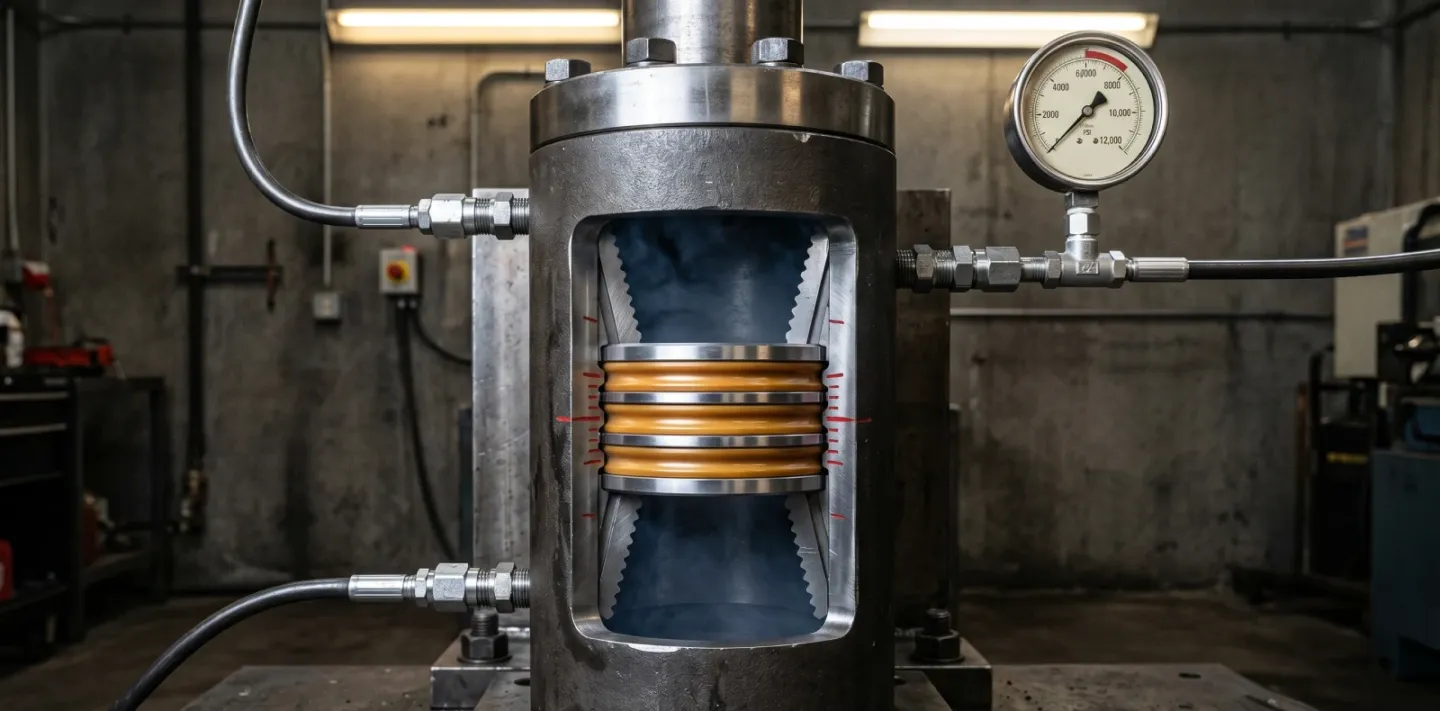
Many engineers assume a higher V-number means a tougher packer. It is the opposite. Under ISO 14310 packer validation grades, the scale runs from V6, the minimum, down to V0, the most demanding gas-tight grade — so a lower number means more severe testing, not less. For anyone just trying to understand the basics, that inversion is where most confusion starts.
June 8, 2026
Intelligent Well Completion: Systems, Components and Equipment
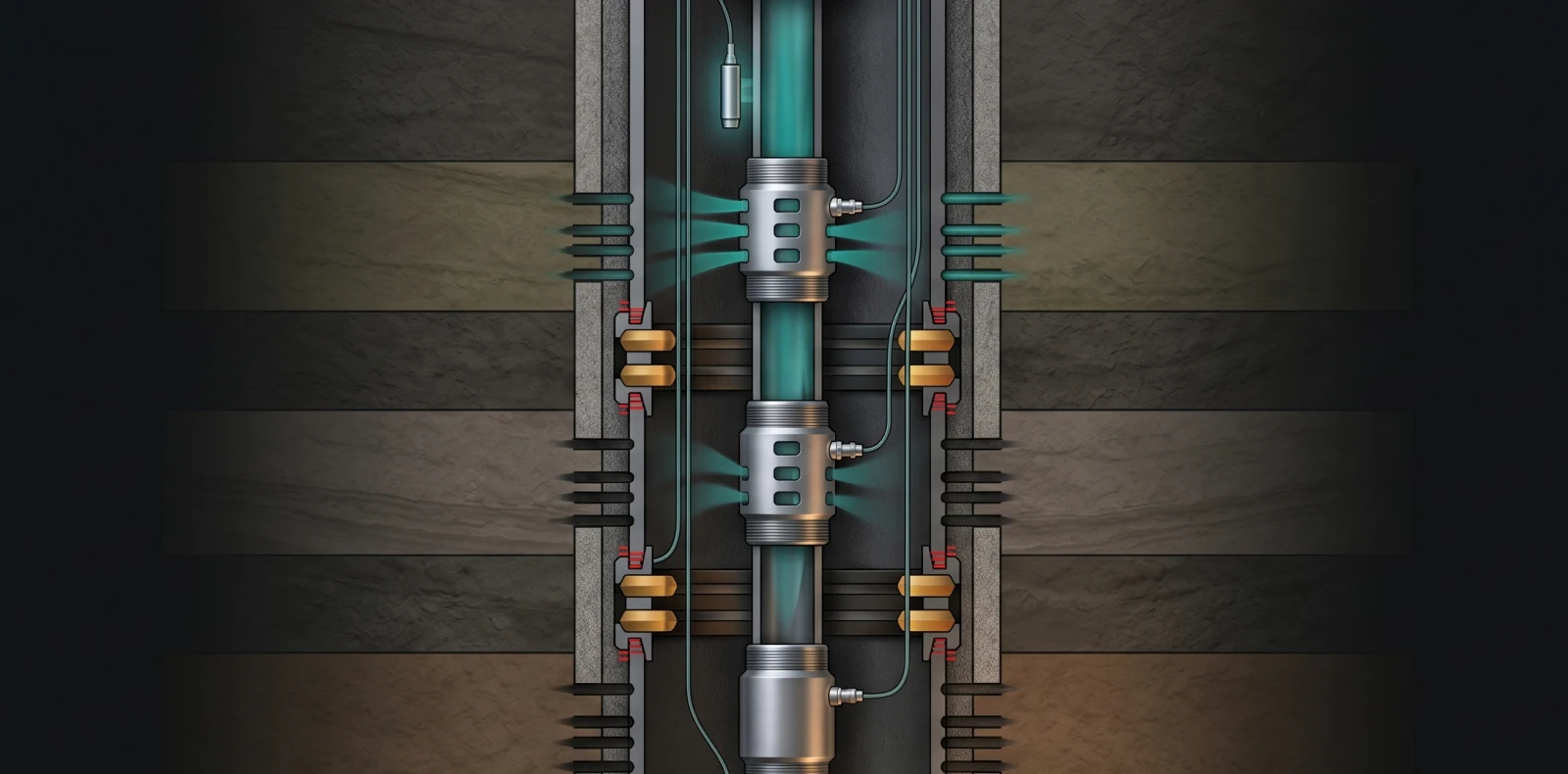
Imagine adjusting flow from each zone of a multi-zone reservoir in real time, from surface, without ever sending a rig downhole. That is the promise of intelligent well completion, and for an engineer just trying to understand the basics, the concept is more concrete than the marketing suggests once you see how the pieces connect.
June 8, 2026
Oil & Gas Equipment Companies in India: Manufacturer Directory 2026
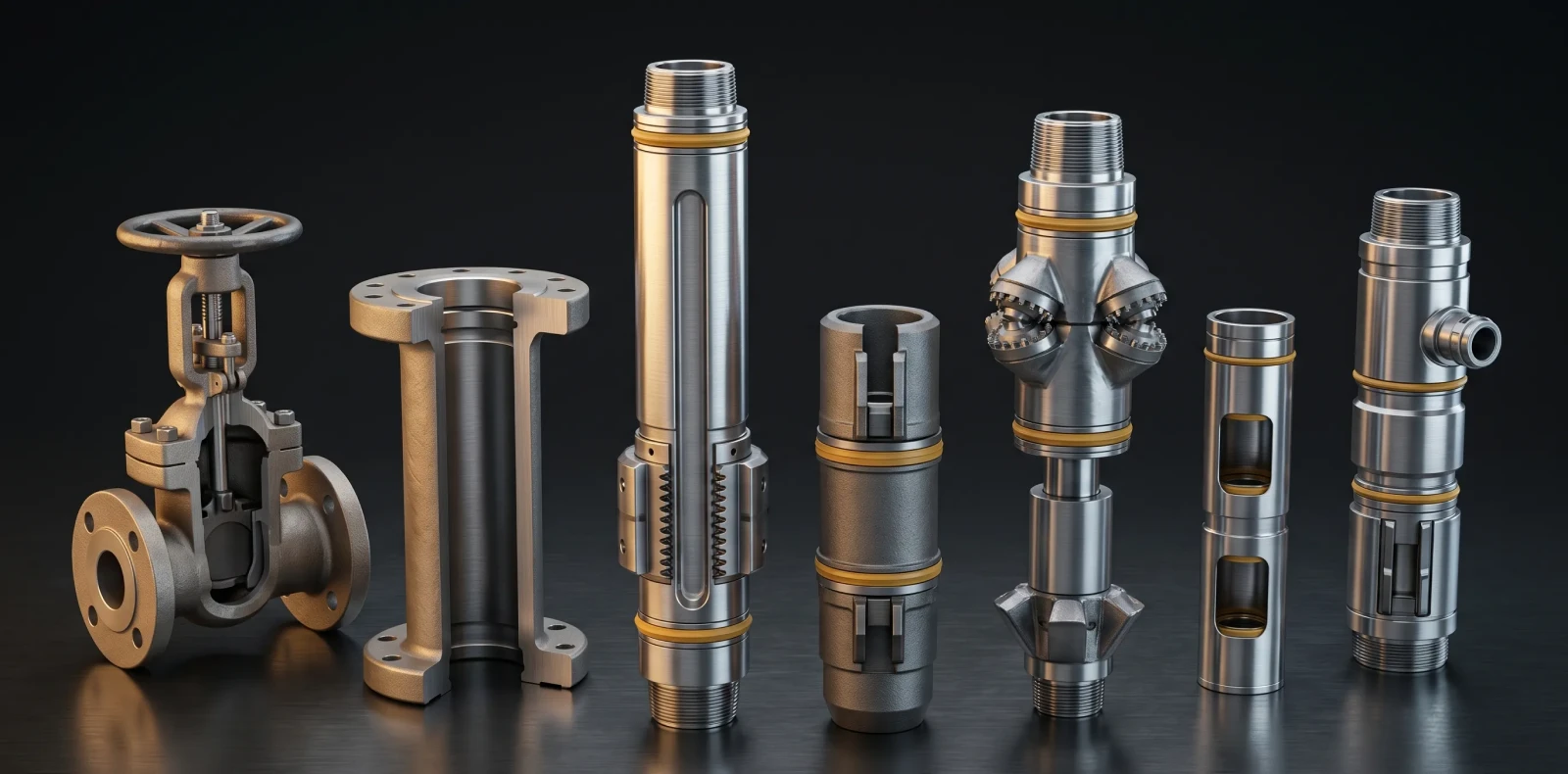
Navigating India's oilfield equipment landscape is challenging without a comprehensive directory, and procurement teams asking "who are the best manufacturers for this?" often lose weeks to vendor research. This directory profiles the key oil and gas equipment companies in India with verified capabilities, so you can build a qualified shortlist faster.
June 8, 2026
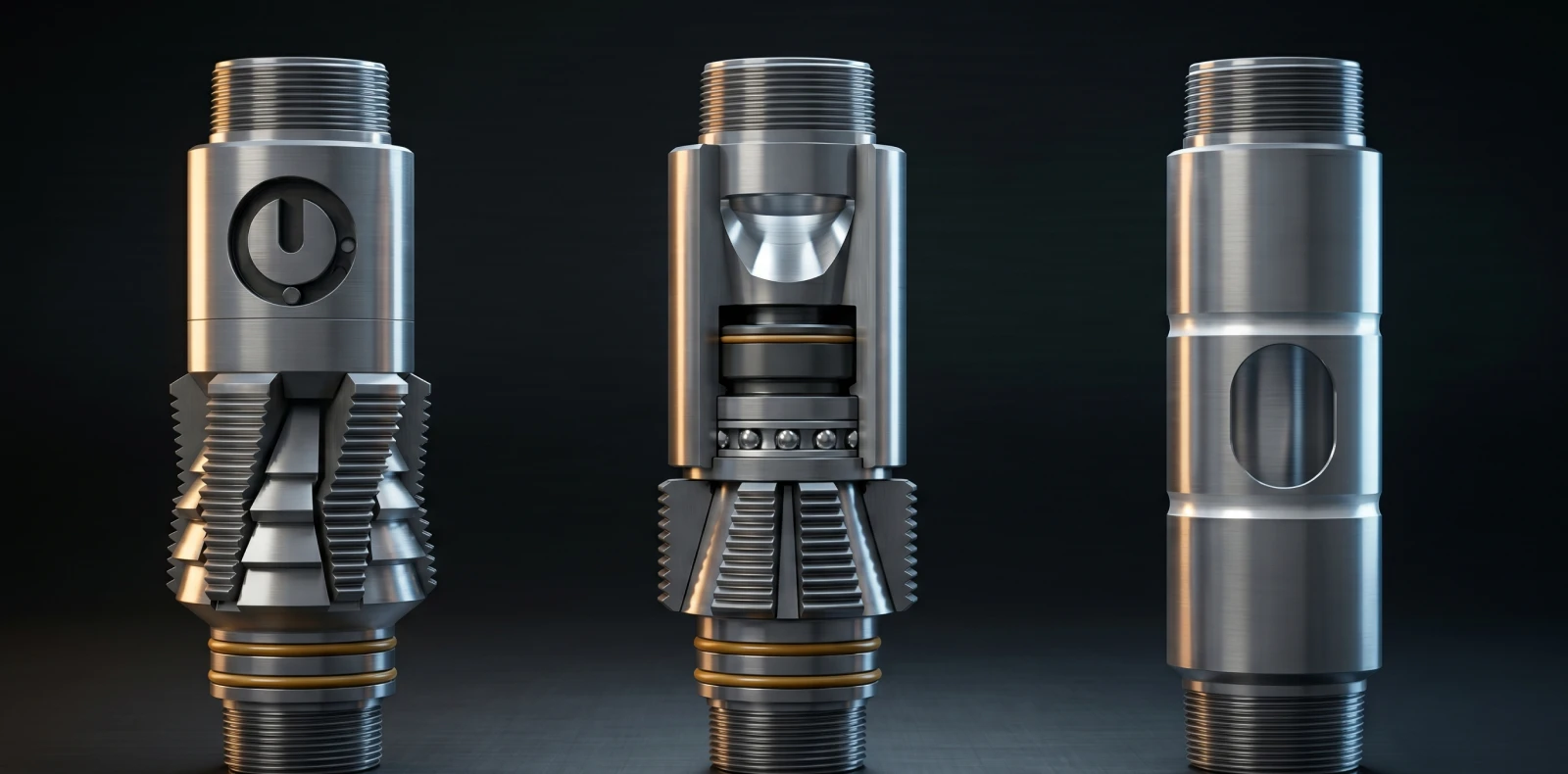
Liner Hanger Types & Selection: Complete Engineering Reference
What type of liner hanger does your well design require? The answer depends on setting depth, liner weight, and whether hydraulic or mechanical actuation suits the hole. For an engineer just trying to understand the basics, the liner hanger types break down into three categories — and knowing how they differ is the first step toward specifying the right one.
June 6, 2026
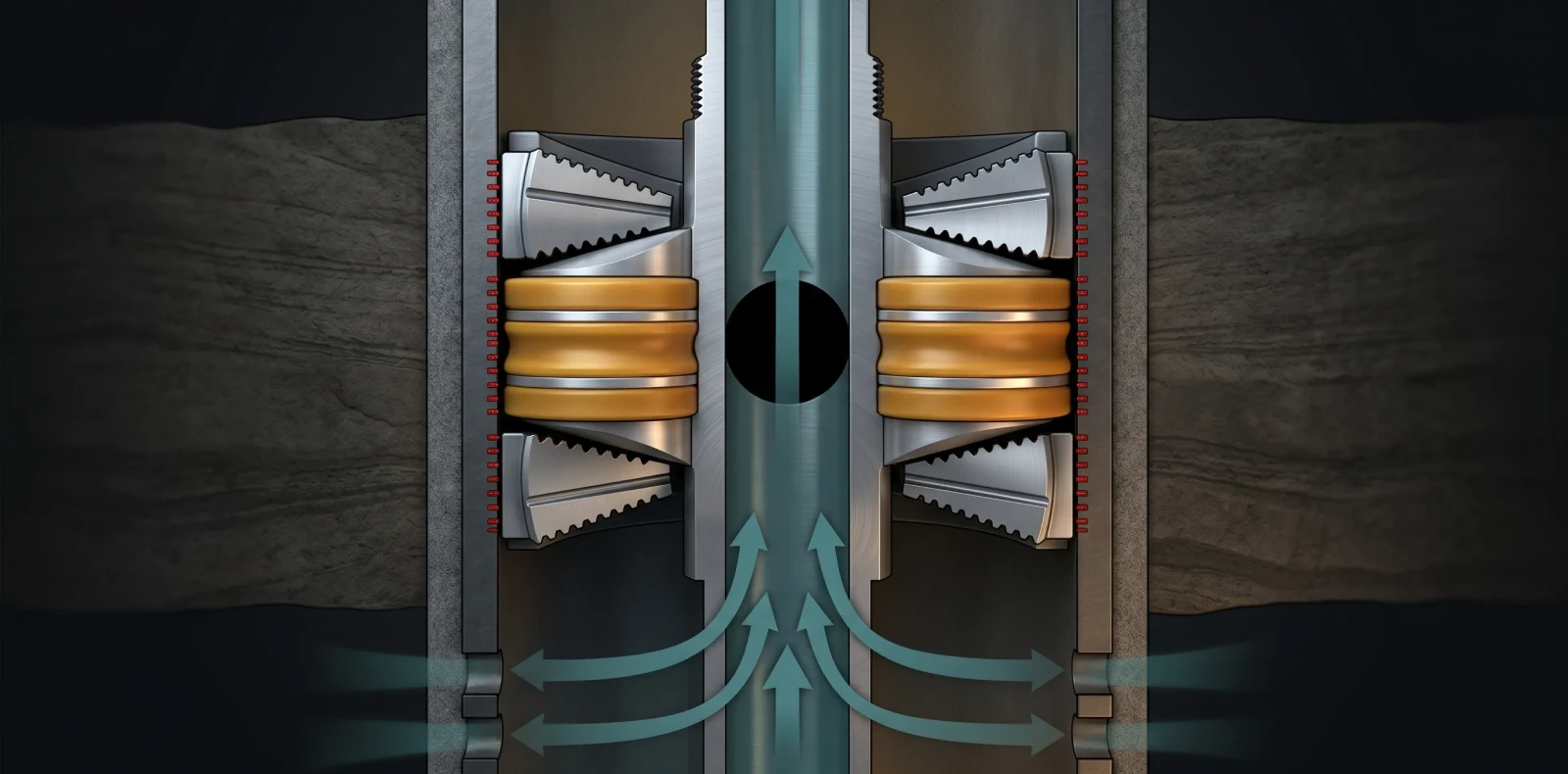
Packer in Well Completion- Functions & How to Select the Right One
Packers are installed in nearly every cased-hole completion worldwide, yet the packer in well completion remains one of the most consequential pieces of downhole hardware to understand. For anyone just trying to understand the basics, the packer is the component that makes controlled production possible by sealing the space between the tubing and the casing.
June 6, 2026
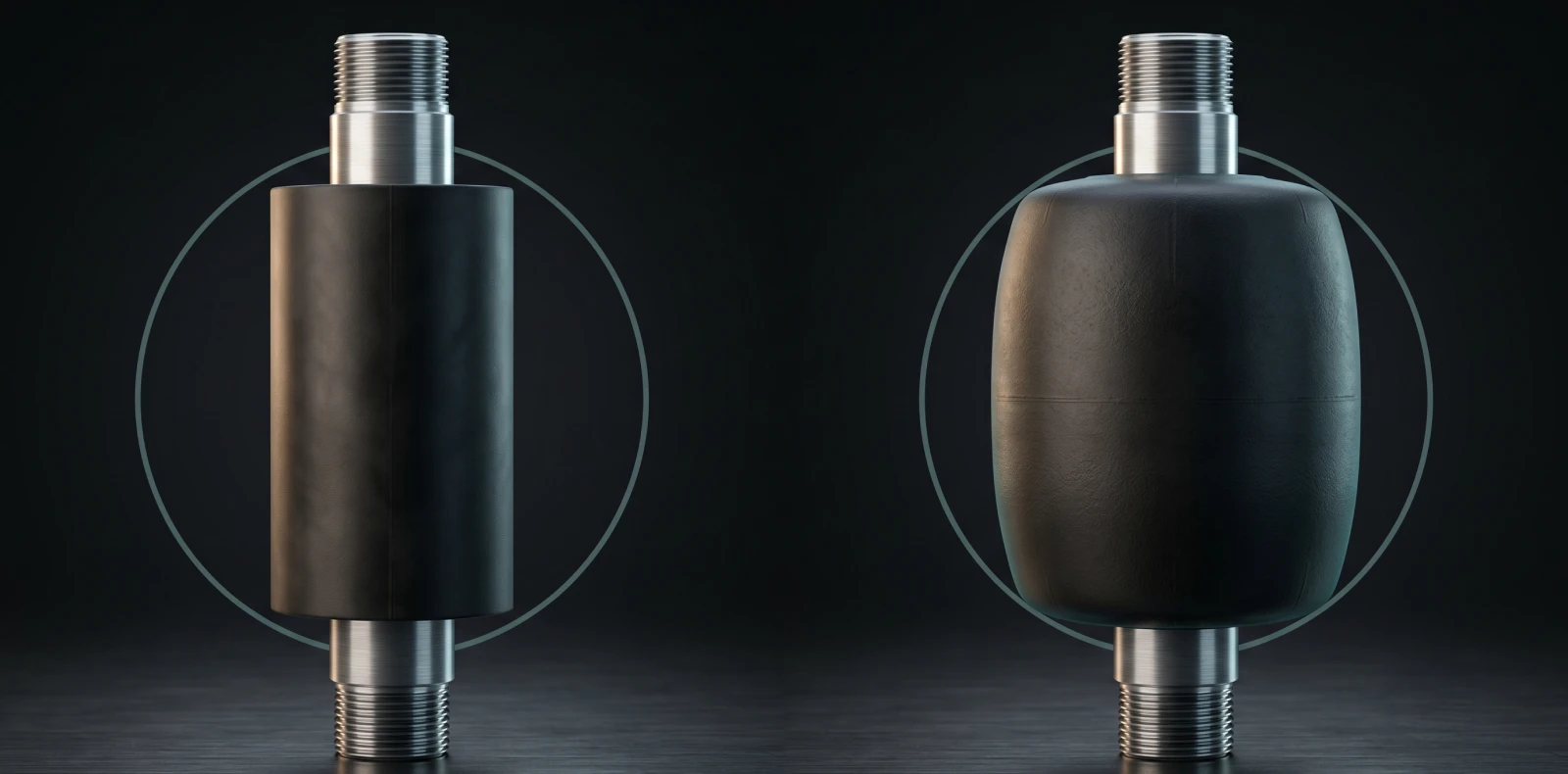
Swellable Packer Applications- Open Hole, HPHT & Water Shutoff Guide
When an operator needs to isolate an open hole section in a horizontal well without cementing, swellable packer applications offer the most direct route to a reliable annular seal. Across open hole zonal isolation, multistage fracturing, and water shutoff, the swellable packer has become the interventionless tool completion engineers reach for when running cement or mechanical packers is impractical or costly
June 6, 2026
How to Choose an Oilfield Equipment Supplier A Procurement Guide
Choosing the wrong oilfield equipment supplier does not just waste procurement budget; it risks downhole failures that cost ten times the equipment price. Knowing how to choose an oilfield equipment supplier means looking past the catalog and the quotation to the evidence that a vendor can actually deliver safety-critical completion equipment. Procurement engineers who get this right treat the decision as risk management, not purchasing
June 6, 2026
Top Downhole Tool Manufacturers & Suppliers 2026 Global Guide
The global downhole tools market exceeds 5 billion US dollars annually, and the list of companies claiming to serve it is far longer than any procurement team has time to vet. This guide narrows the field: it covers how to evaluate a downhole tool manufacturer, then profiles the global majors, the India-based OEMs, and Maximus OIGA — fairly, with real pros and cons, so you can build an RFQ shortlist without months of vendor research.
June 6, 2026
Sliding Sleeve Applications in Well Completion Types & Selection Guide
Sliding sleeves have evolved from simple open/close mechanisms into precision multi-zone flow control devices, and understanding their applications is now central to modern well completion design. This guide covers what a sliding sleeve does, the main types, real downhole applications, and how to select the right one — written for engineers trying to understand the basics and go a level deeper, not for a sales pitch.
June 6, 2026
Bridge Plug Setting Procedure Step-by-Step Guide for Wireline Operations
How do you properly set a bridge plug using wireline? This step-by-step procedure covers tool string assembly, depth correlation, setting tool activation, and pressure testing for confirmed well isolation. It is written for field engineers who need the exact sequence right the first time, with 200+ Maximus OIGA installations across India, the Middle East, and Southeast Asia behind it
June 6, 2026