
The Importance of Rigorous Testing in Oilfield Equipment Manufacturing
Introduction
Oil and gas operations, by nature, involve high-risk environments. Well completion equipment must endure extreme conditions such as high pressures, temperatures, and corrosive environments. Therefore, the importance of rigorous testing in oilfield equipment manufacturing cannot be overstated. Every piece of equipment, from packers and valves to drilling rigs and safety equipment, must undergo extensive testing to ensure reliability, efficiency, and safety during operations. Without these tests, the risks of operational failures, safety breaches, and environmental damage significantly increase.
In this blog, we will discuss the importance of rigorous testing in the manufacturing of oilfield equipment, the types of tests conducted, the role of quality control, and the significance of in-house testing facilities. We will also examine how Maximus Completions has leveraged advanced in-house test facilities to enhance the quality and performance of their well completion systems.
Contents
- The Role of Testing in Oilfield Equipment Manufacturing
- Types of Tests in Oilfield Equipment Manufacturing
- Why Rigorous Testing Is Critical for Safety and Efficiency
- Maximus Completions’ In-House Testing Facilities
- Industry Standards and Certifications
- Quality Control and Testing Procedures
- The Future of Oilfield Equipment Testing
- Conclusion
1. The Role of Testing in Oilfield Equipment Manufacturing
In the oil and gas industry, testing ensures that equipment can handle the demanding operational conditions it will face. Rigorous testing processes are essential not only for verifying equipment performance but also for identifying any potential issues before they arise in the field. Oilfield equipment must meet strict regulatory standards, and the testing process plays a crucial role in validating its design, durability, and compliance.
Key Objectives of Testing:
- Reliability: Ensure equipment performs consistently and safely over time.
- Safety: Minimize risks of malfunctions, blowouts, or accidents.
- Durability: Verify the equipment’s ability to withstand extreme temperatures, pressures, and corrosive substances.
- Compliance: Meet industry standards and regulatory requirements.
By conducting these tests, manufacturers can deliver products that meet the high standards required for safe and efficient operation in the field.
2. Types of Tests in Oilfield Equipment Manufacturing
Oilfield equipment must undergo a series of tests that simulate actual field conditions. The tests vary depending on the type of equipment being manufactured. Here are some of the most common tests conducted:
| Test Type | Purpose |
| Pressure Testing | Simulates pressure conditions to ensure the equipment can withstand high pressures without failure. |
| Temperature Testing | Ensures equipment functions under high-temperature environments. |
| Corrosion Testing | Tests the equipment’s resistance to corrosive elements like H₂S and CO₂. |
| Mechanical Stress Testing | Determines the equipment’s resistance to mechanical forces, such as bending or tension. |
| Flow Testing | Validates the fluid flow capabilities and ensures efficient fluid management. |
| Functional Testing | Simulates actual operations to verify that the equipment works as intended. |
Each test is critical to ensuring the equipment’s longevity, safety, and performance under real-world conditions.
3. Why Rigorous Testing Is Critical for Safety and Efficiency
The oil and gas industry is inherently risky, with potentially hazardous consequences for equipment failures. Rigorous testing mitigates these risks by ensuring that equipment meets the highest standards of safety and functionality. Inadequate testing can lead to costly and dangerous failures, including:
- Blowouts: Uncontrolled release of oil or gas from the wellbore.
- Leaks: Loss of fluid or gas, which can lead to environmental contamination.
- Equipment Failures: Malfunctions that can halt operations, leading to significant financial losses.
Thorough testing prevents these issues, ensuring that equipment can withstand the high demands of oilfield operations, including extreme temperatures, pressures, and corrosive environments. In essence, effective testing protects both human life and the environment, which is why it must be a top priority for manufacturers.
4. Maximus Completions’ In-House Testing Facilities
Maximus Completions has invested significantly in its in-house testing facilities to ensure that all well completion equipment meets the highest standards of performance and safety. Located at their manufacturing plant in Vadodara, Gujarat, India, these facilities are equipped with state-of-the-art testing equipment and are ISO-certified to ensure compliance with international standards.
Key Features of Maximus’ In-House Testing Facilities:
- Custom Testing Equipment: Maximus uses specialized testing rigs designed to simulate real-world conditions, including high-pressure and high-temperature scenarios. This helps to validate the reliability of packers, bridge plugs, and other completion equipment.
- Comprehensive Testing Capabilities: The facility conducts pressure testing, temperature testing, mechanical stress testing, and corrosion resistance testing. All tests are performed to industry specifications, ensuring that the equipment is fit for use in the most demanding environments.
- Real-Time Data Monitoring: The in-house test facility uses advanced sensors and monitoring systems to track performance in real time. This allows for detailed analysis and fine-tuning of the equipment before it is deployed in the field.
- ISO and API Certifications: Maximus’ testing facility adheres to rigorous quality control standards, including API Q1, ISO 14310, and ISO 9001. These certifications ensure that their equipment meets international quality and safety standards.
By investing in these in-house testing facilities, Maximus ensures that their well completion equipment can withstand the toughest challenges in oil and gas operations, guaranteeing safety and reliability for their clients.
5. Industry Standards and Certifications
Testing in oilfield equipment manufacturing is not only important for operational integrity but also for meeting the industry’s stringent regulatory requirements. Major certifications and standards ensure that manufacturers deliver equipment that is safe and reliable.
Key Certifications:
- API Q1 Certification: Ensures that manufacturers adhere to the highest quality management standards in the oil and gas industry.
- ISO 14310: Defines the requirements for packer systems, ensuring they perform as expected in high-pressure and high-temperature conditions.
- ISO 9001: Specifies requirements for a quality management system (QMS) and is essential for maintaining consistent quality in all products.
Compliance with these certifications guarantees that well completion equipment is built to withstand the rigorous demands of oilfield operations, ensuring its durability and safety.
6. Quality Control and Testing Procedures
The quality control process is integral to oilfield equipment manufacturing. Each phase of production undergoes strict inspection and testing to verify the equipment’s performance and compliance with international standards. Quality control procedures at Maximus Completions include:
- Design Validation: All designs are tested against industry standards before production begins.
- Material Inspection: Materials used in manufacturing are inspected for quality, corrosion resistance, and durability.
- Pre-Assembly Testing: Components are tested for compatibility and functionality before they are assembled into final products.
- Final Product Testing: The complete well completion system undergoes comprehensive testing to ensure it meets all operational requirements.
These rigorous testing procedures ensure that every product leaving the Maximus facility is of the highest quality, ready for deployment in oil and gas operations worldwide.
7. The Future of Oilfield Equipment Testing
As the oil and gas industry continues to evolve, so too must the methods for testing oilfield equipment. Advancements in technology are paving the way for more efficient and precise testing.
Future Trends:
- Automation: Automated testing systems will reduce human error and improve testing efficiency.
- Digital Twins: Digital twin technology will allow manufacturers to simulate real-world conditions and predict how equipment will perform over time.
- AI and Machine Learning: AI-driven predictive maintenance systems will help identify potential issues before they occur, ensuring continuous operation.
These advancements will further enhance the reliability and efficiency of oilfield equipment, reducing downtime and increasing operational safety.
8. Conclusion
Rigorous testing is a fundamental part of oilfield equipment manufacturing. It ensures that well completion systems meet the high standards required to perform in extreme conditions. By investing in state-of-the-art testing facilities and adhering to global certifications, Maximus Completions leads the way in ensuring the safety, durability, and performance of their products.
As the oil and gas industry continues to evolve, so too will the need for more advanced and precise testing methodologies. Manufacturers that prioritize testing and quality control will continue to set the benchmark for excellence in oilfield operations.
Related
- ISO 14310 & API 11D1 Validation Grades: V6 to V0 Explained
- Intelligent Well Completion: Systems, Components and Equipment
- Oil & Gas Equipment Companies in India: Manufacturer Directory 2026
- Liner Hanger Types & Selection: Complete Engineering Reference
- Packer in Well Completion- Functions & How to Select the Right One
- Swellable Packer Applications- Open Hole, HPHT & Water Shutoff Guide
- How to Choose an Oilfield Equipment Supplier A Procurement Guide
- Top Downhole Tool Manufacturers & Suppliers 2026 Global Guide
- Sliding Sleeve Applications in Well Completion Types & Selection Guide
- Bridge Plug Setting Procedure Step-by-Step Guide for Wireline Operations
More Information
Related News & Insights
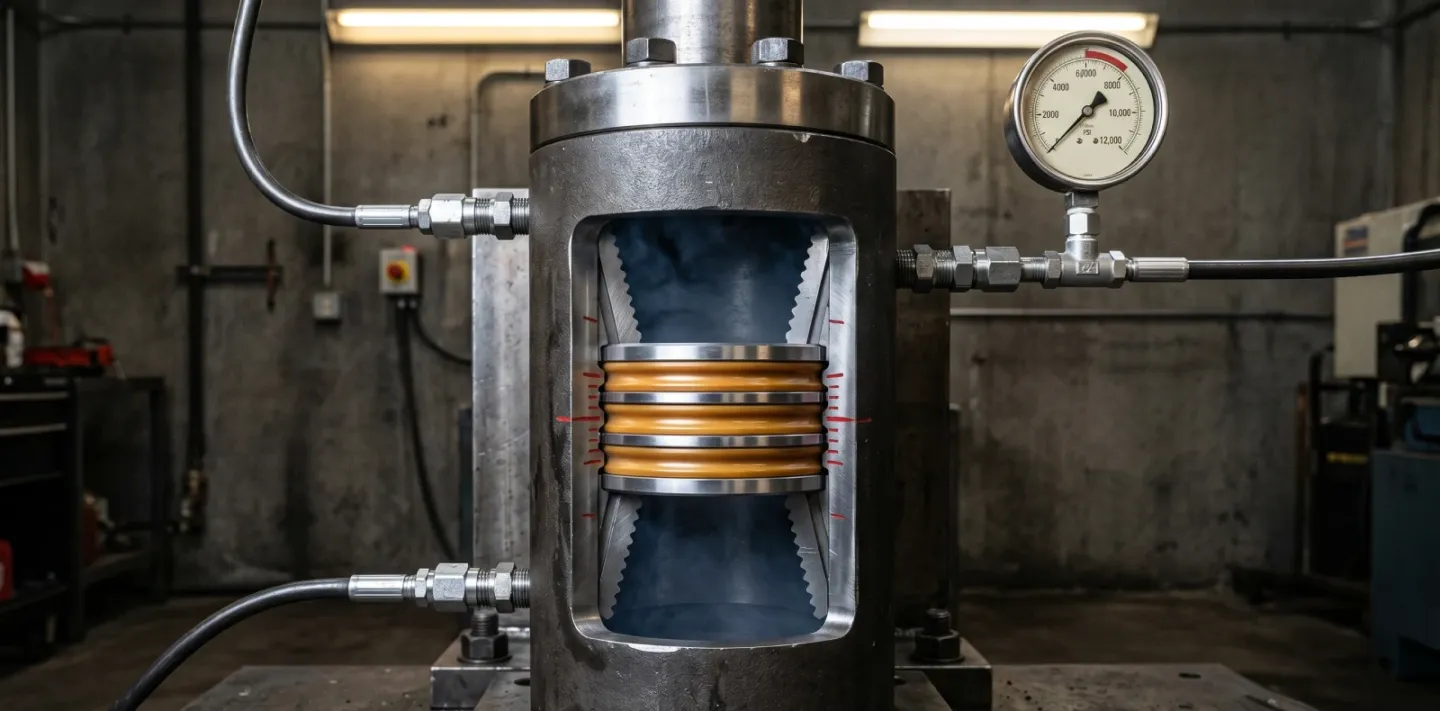
ISO 14310 & API 11D1 Validation Grades: V6 to V0 Explained
Many engineers assume a higher V-number means a tougher packer. It is the opposite. Under ISO 14310 packer validation grades, the scale runs from V6, the minimum, down to V0, the most demanding gas-tight grade — so a lower number means more severe testing, not less. For anyone just trying to understand the basics, that inversion is where most confusion starts.
June 8, 2026
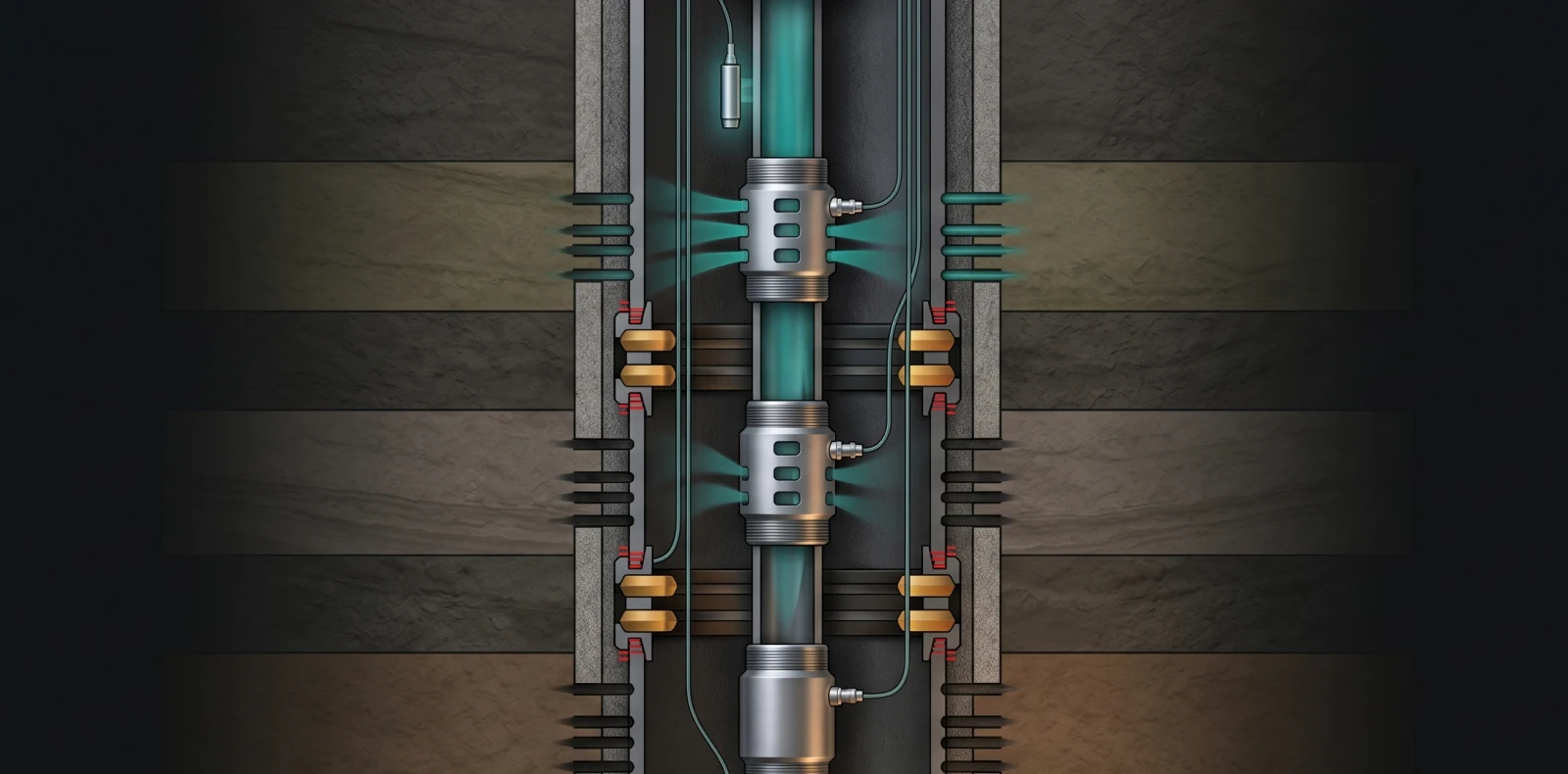
Intelligent Well Completion: Systems, Components and Equipment
Imagine adjusting flow from each zone of a multi-zone reservoir in real time, from surface, without ever sending a rig downhole. That is the promise of intelligent well completion, and for an engineer just trying to understand the basics, the concept is more concrete than the marketing suggests once you see how the pieces connect.
June 8, 2026
Oil & Gas Equipment Companies in India: Manufacturer Directory 2026
Navigating India's oilfield equipment landscape is challenging without a comprehensive directory, and procurement teams asking "who are the best manufacturers for this?" often lose weeks to vendor research. This directory profiles the key oil and gas equipment companies in India with verified capabilities, so you can build a qualified shortlist faster.
June 8, 2026
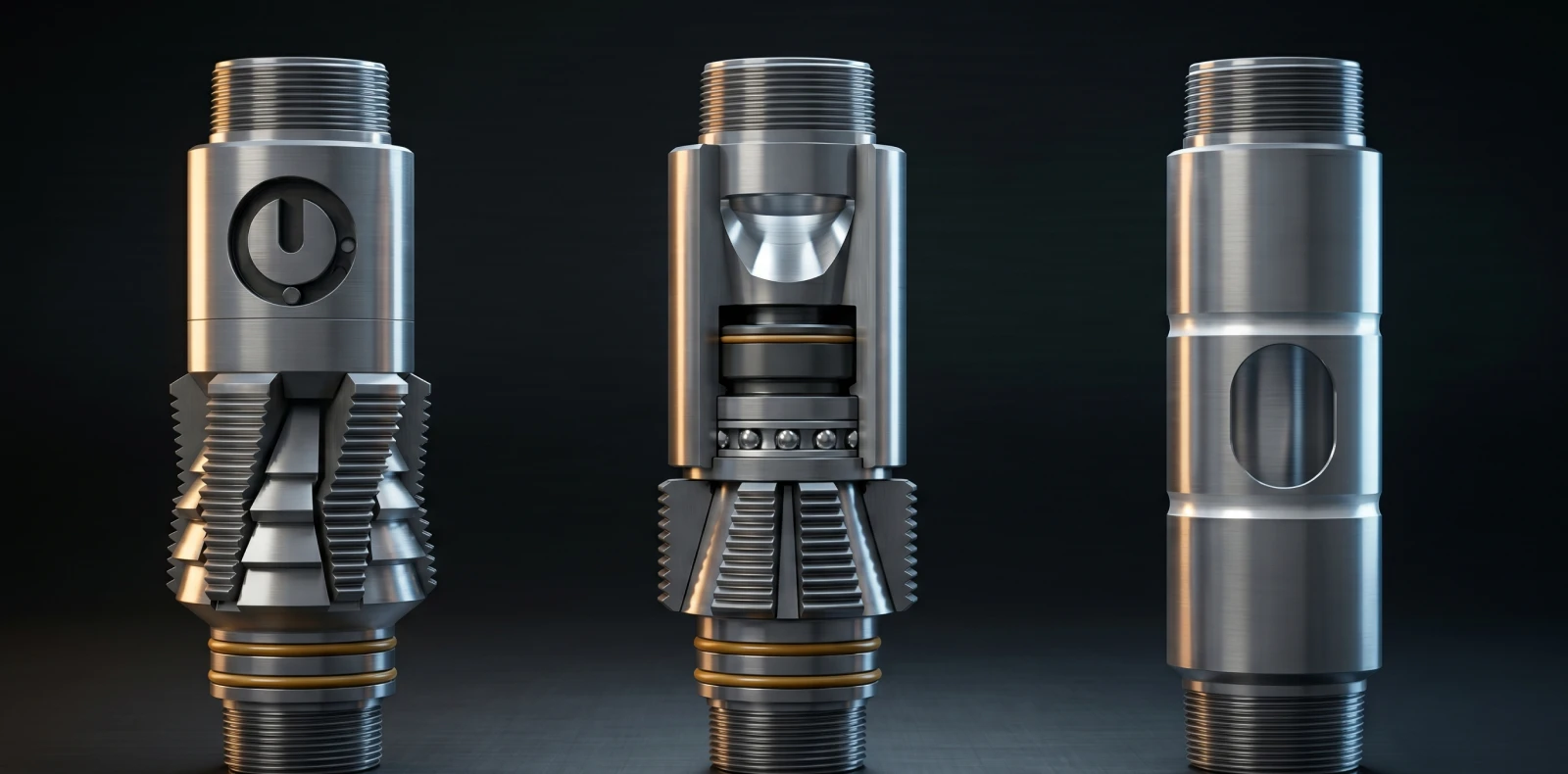
Liner Hanger Types & Selection: Complete Engineering Reference
What type of liner hanger does your well design require? The answer depends on setting depth, liner weight, and whether hydraulic or mechanical actuation suits the hole. For an engineer just trying to understand the basics, the liner hanger types break down into three categories — and knowing how they differ is the first step toward specifying the right one.
June 6, 2026
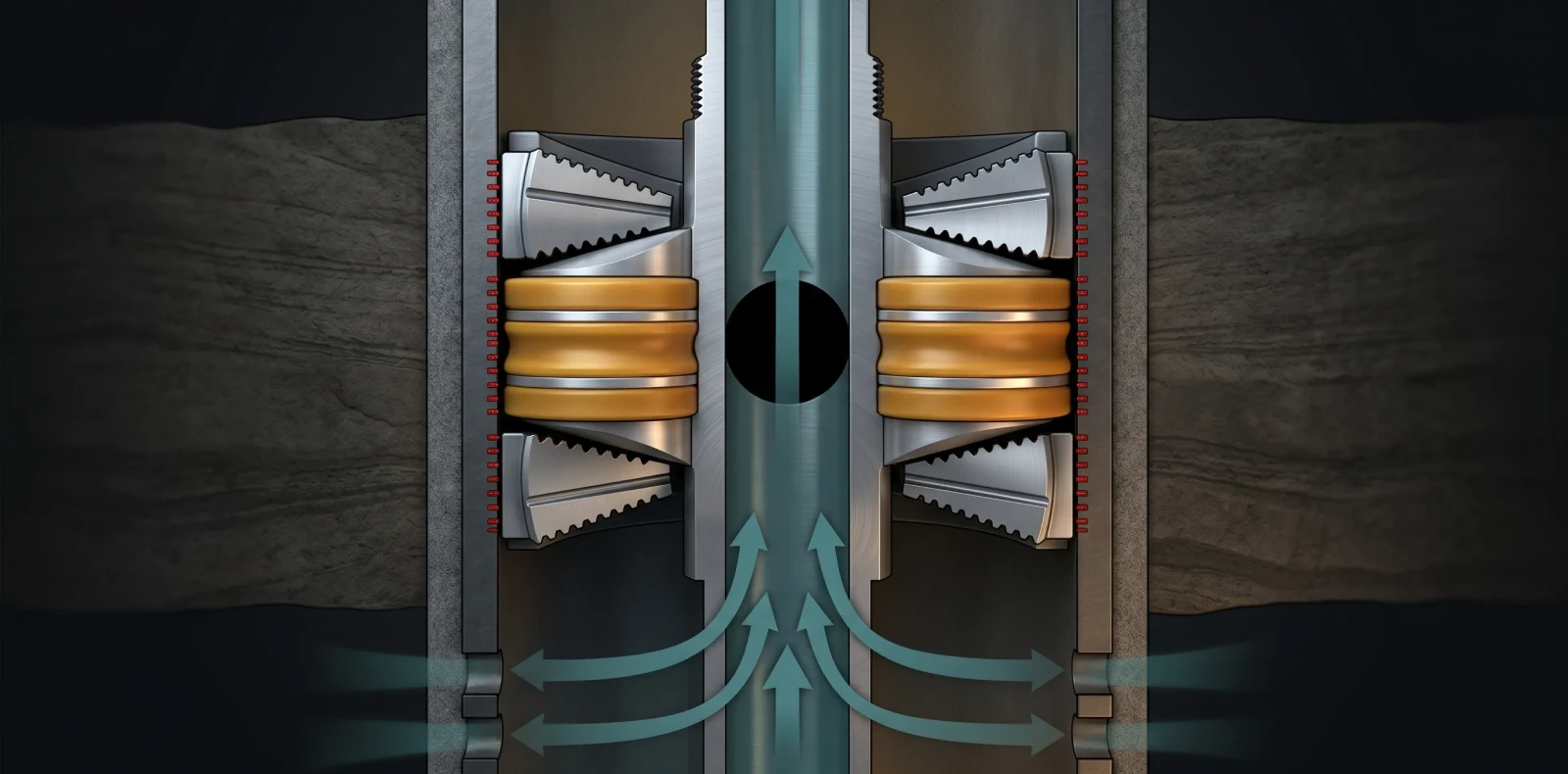
Packer in Well Completion- Functions & How to Select the Right One
Packers are installed in nearly every cased-hole completion worldwide, yet the packer in well completion remains one of the most consequential pieces of downhole hardware to understand. For anyone just trying to understand the basics, the packer is the component that makes controlled production possible by sealing the space between the tubing and the casing.
June 6, 2026
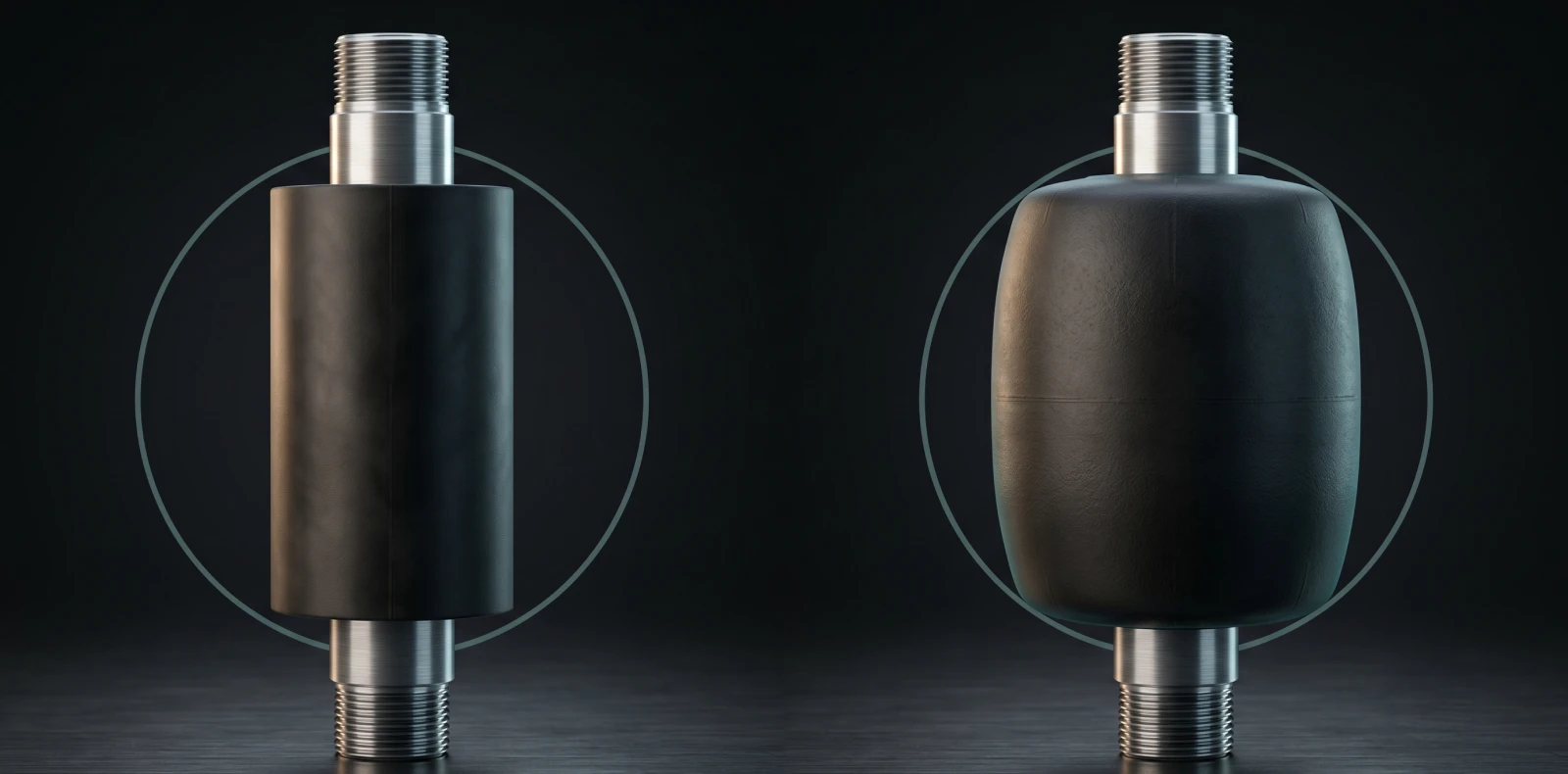
Swellable Packer Applications- Open Hole, HPHT & Water Shutoff Guide
When an operator needs to isolate an open hole section in a horizontal well without cementing, swellable packer applications offer the most direct route to a reliable annular seal. Across open hole zonal isolation, multistage fracturing, and water shutoff, the swellable packer has become the interventionless tool completion engineers reach for when running cement or mechanical packers is impractical or costly
June 6, 2026
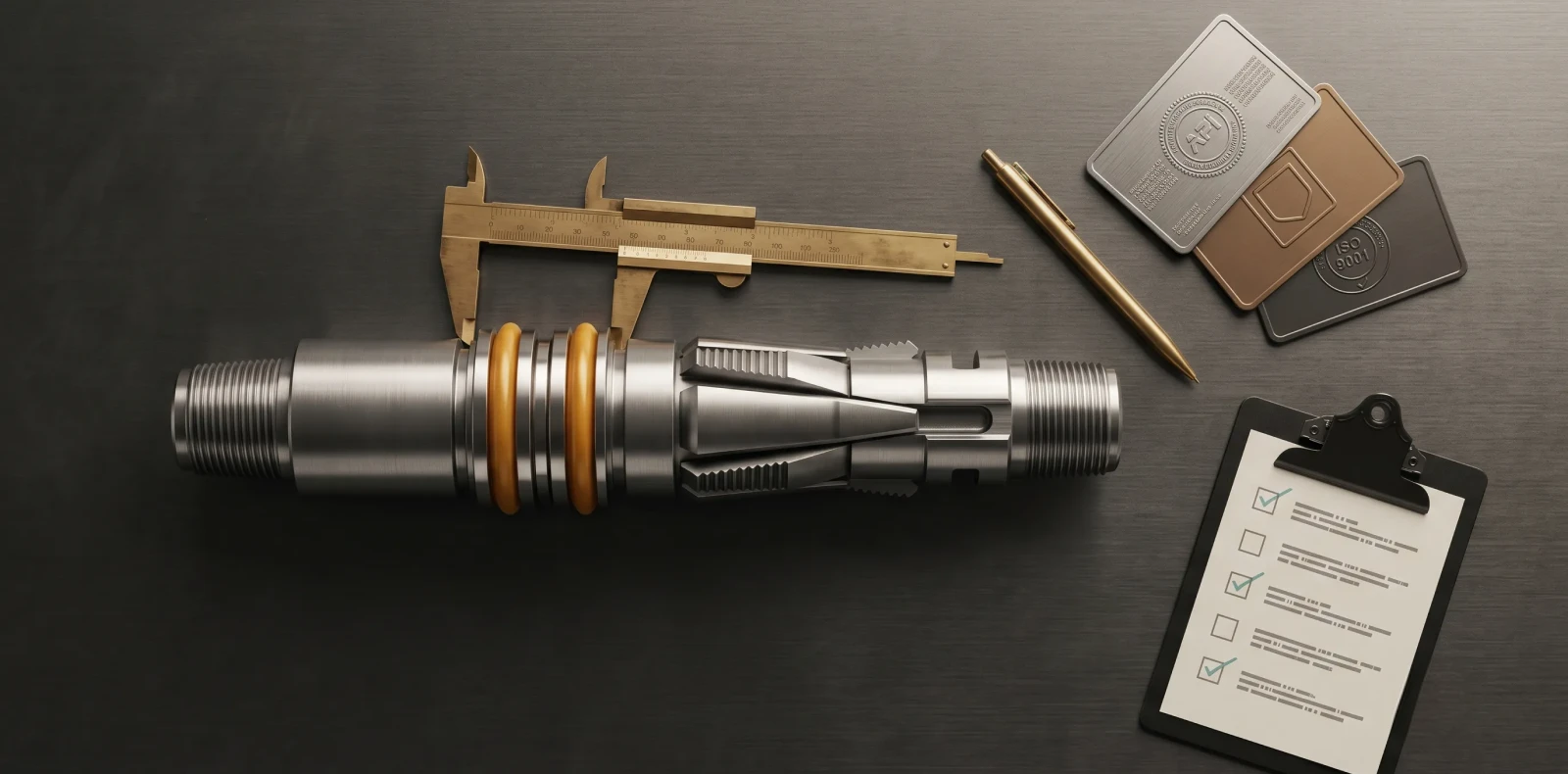
How to Choose an Oilfield Equipment Supplier A Procurement Guide
Choosing the wrong oilfield equipment supplier does not just waste procurement budget; it risks downhole failures that cost ten times the equipment price. Knowing how to choose an oilfield equipment supplier means looking past the catalog and the quotation to the evidence that a vendor can actually deliver safety-critical completion equipment. Procurement engineers who get this right treat the decision as risk management, not purchasing
June 6, 2026
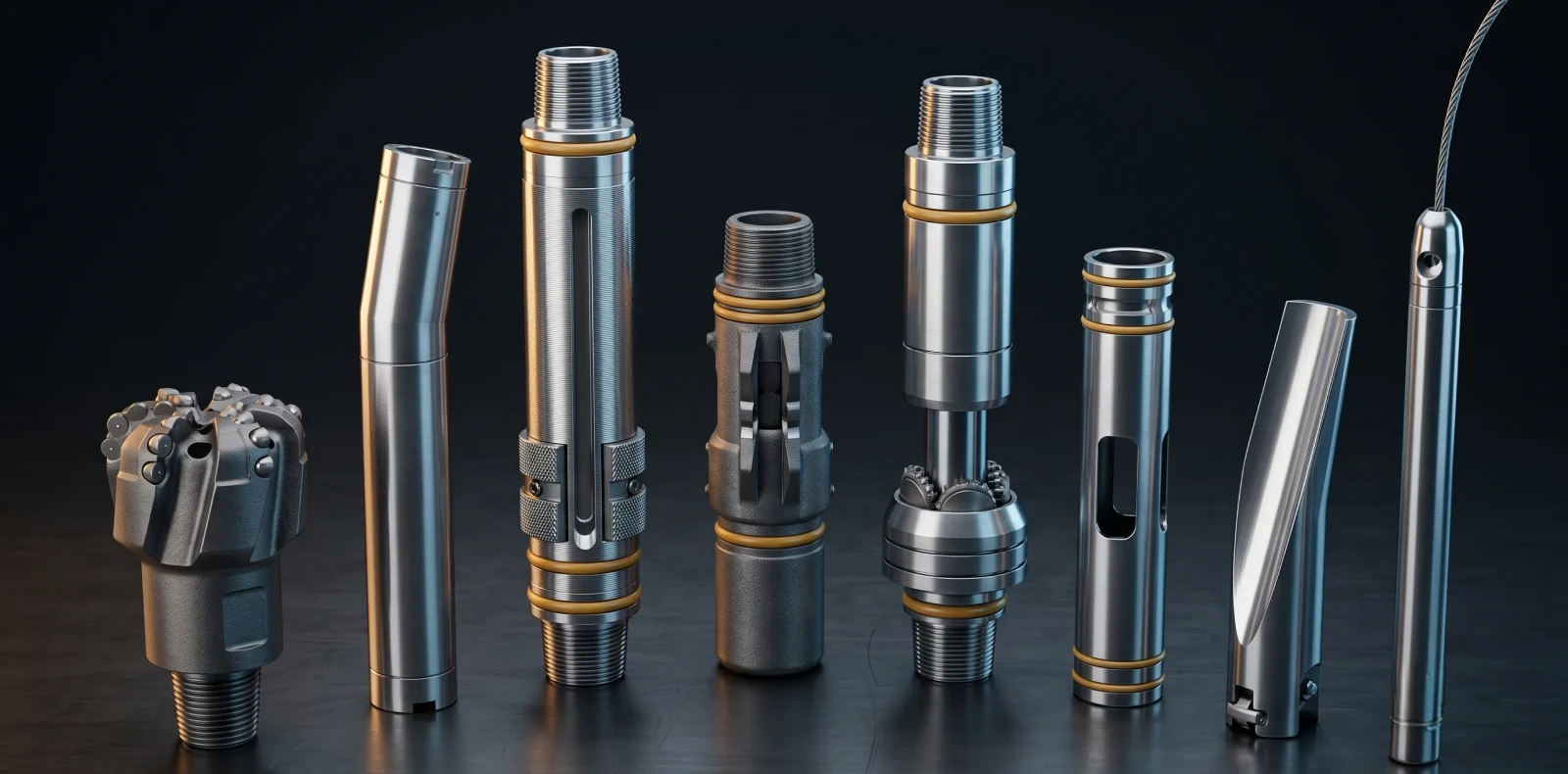
Top Downhole Tool Manufacturers & Suppliers 2026 Global Guide
The global downhole tools market exceeds 5 billion US dollars annually, and the list of companies claiming to serve it is far longer than any procurement team has time to vet. This guide narrows the field: it covers how to evaluate a downhole tool manufacturer, then profiles the global majors, the India-based OEMs, and Maximus OIGA — fairly, with real pros and cons, so you can build an RFQ shortlist without months of vendor research.
June 6, 2026
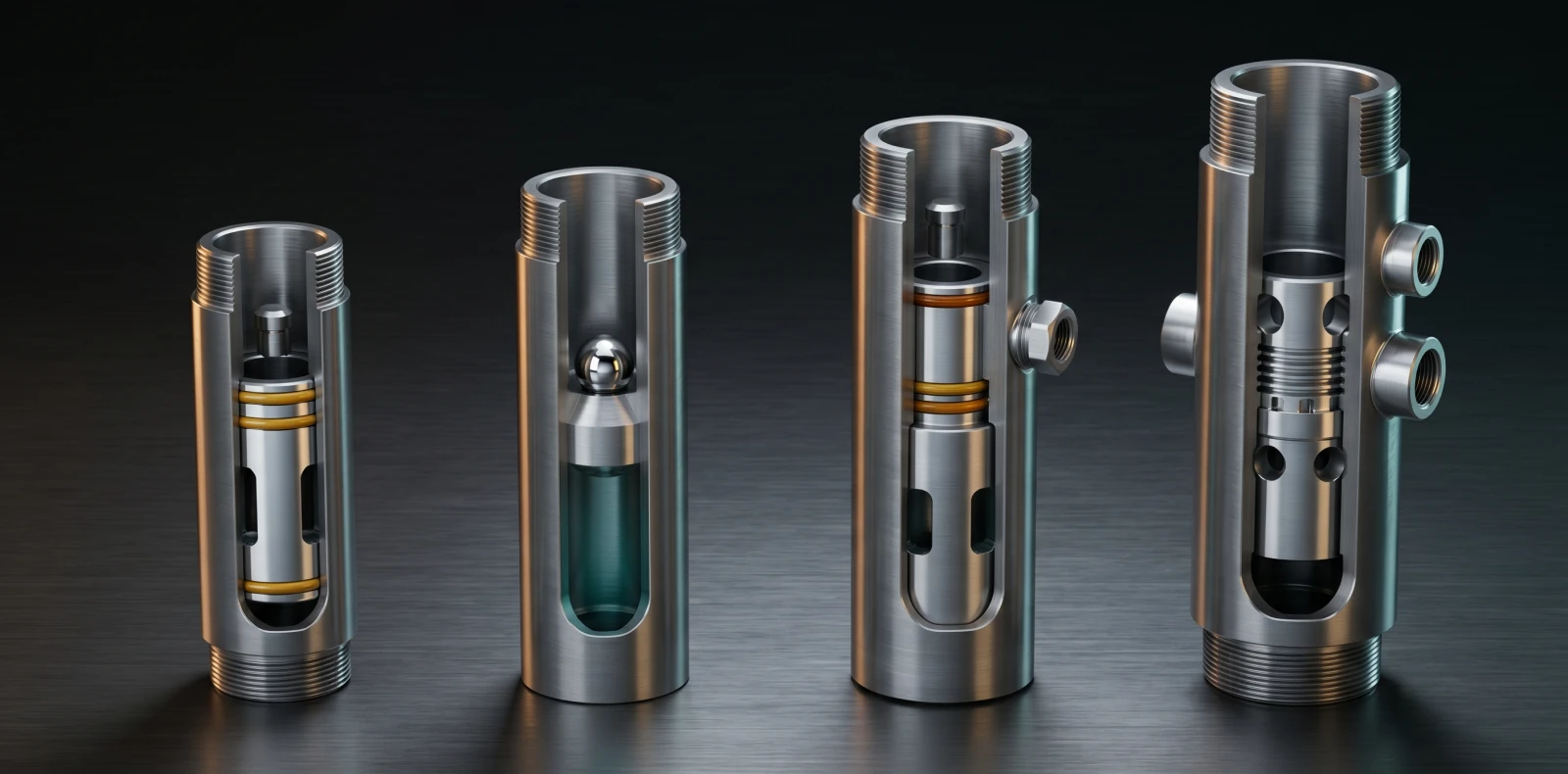
Sliding Sleeve Applications in Well Completion Types & Selection Guide
Sliding sleeves have evolved from simple open/close mechanisms into precision multi-zone flow control devices, and understanding their applications is now central to modern well completion design. This guide covers what a sliding sleeve does, the main types, real downhole applications, and how to select the right one — written for engineers trying to understand the basics and go a level deeper, not for a sales pitch.
June 6, 2026
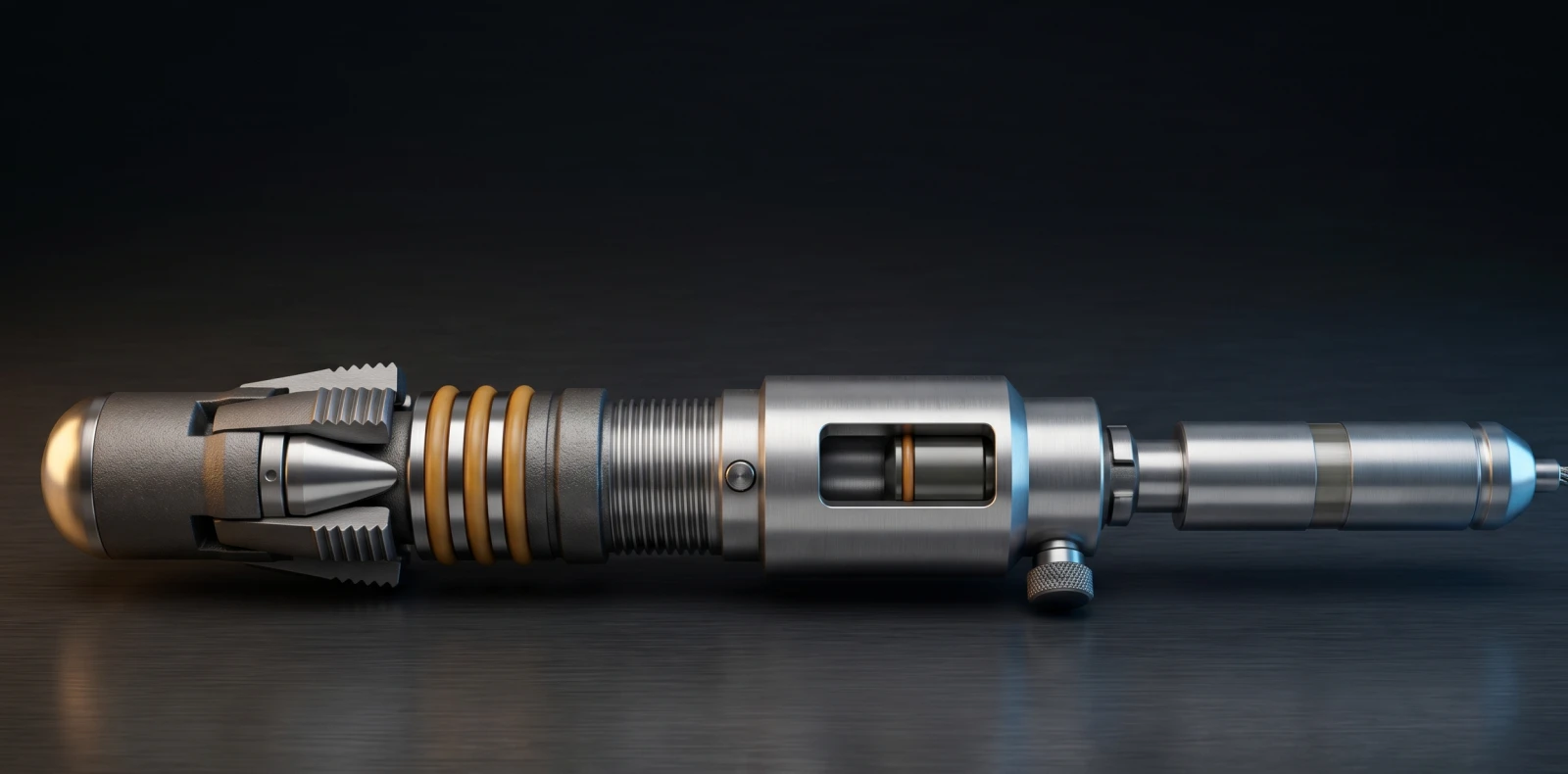
Bridge Plug Setting Procedure Step-by-Step Guide for Wireline Operations
How do you properly set a bridge plug using wireline? This step-by-step procedure covers tool string assembly, depth correlation, setting tool activation, and pressure testing for confirmed well isolation. It is written for field engineers who need the exact sequence right the first time, with 200+ Maximus OIGA installations across India, the Middle East, and Southeast Asia behind it
June 6, 2026