Top Bridge Plug Manufacturers in India & Worldwide 2026
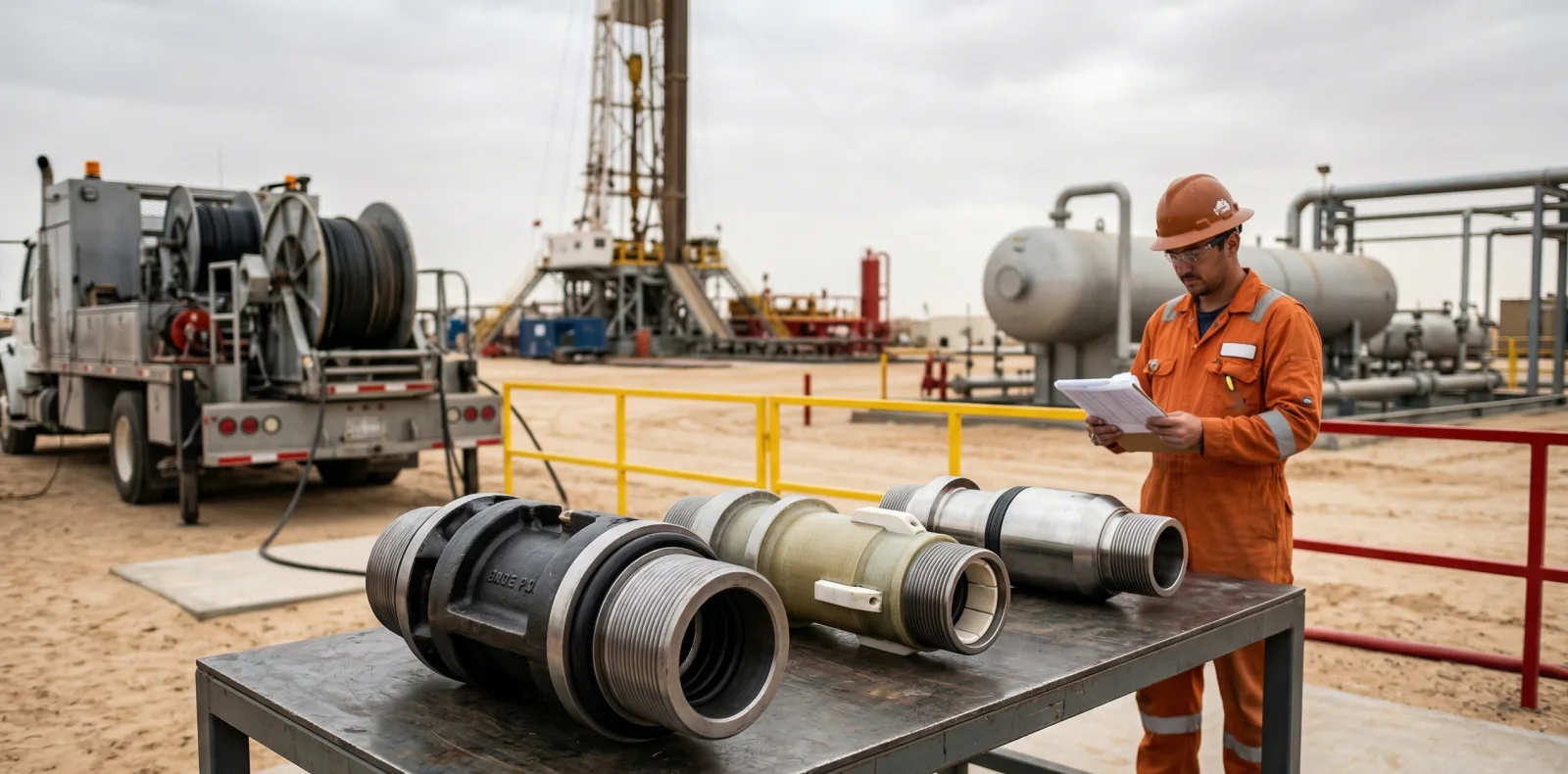
Bridge plugs provide critical wellbore isolation for abandonment, remedial cementing, and multi-zone stimulation operations. Leading manufacturers differentiate through API 11D1 validation grades, material range including cast iron and composite configurations, and casing size coverage from 4-1/2 inches to 13-3/8 inches. API Q1 certified manufacturers with in-house testing facilities offer verified seal integrity under operational conditions.
Bridge plug manufacturers serve every major well completion and abandonment program worldwide. Over 80% of well abandonments require bridge plugs for zonal isolation, making manufacturer selection a direct factor in seal reliability, regulatory compliance, and total well cost.
This directory evaluates eight bridge plug manufacturers across India and global markets. Each listing covers product range, certifications, and specialization. This helps procurement teams build qualified shortlists without months of vendor research.
What Makes a Qualified Bridge Plug Manufacturer
Five criteria separate qualified bridge plug suppliers from catalogue resellers: API/ISO certification, design validation grade, in-house testing capability, material range, and casing size coverage.
Certification under API Spec 11D1 and ISO 14310 is the baseline. These standards govern packer and bridge plug design verification, validation testing, materials, and documentation. Quality management certification ranges from Q3 (minimum inspection) to Q1 (highest-level quality management system). Design validation grades range from V6 (liquid test at minimum conditions) to V0 (zero-bubble gas-tight seal under full temperature cycling and axial loading).
In-house testing facilities allow manufacturers to verify seal integrity before shipment rather than relying on third-party labs. Manufacturers offering both cast iron and composite bridge plugs provide procurement flexibility: one supplier for permanent drillable isolation and lightweight, fast-drillout horizontal applications. Casing size coverage from 4-1/2 inches to 13-3/8 inches determines whether a manufacturer can serve the full range of well programs.
Halliburton: Full-Range Bridge Plug Portfolio
Halliburton manufactures one of the widest bridge plug portfolios in the industry, covering cast iron, composite, and high-expansion retrievable configurations from 3.5 to 20 inches casing size.
The product line includes the HERO high-expansion retrievable bridge plug, MEV0 mid-expansion V0-rated plug, Obsidian composite bridge plug for horizontal completions, and Intercept RBP gas-tight retrievable plug. Each configuration targets a specific well condition,
HQ: Houston, TX, USA
Certifications: API/ISO certified across product lines
Specialization: Full-service oilfield services; widest casing size range (3.5–20 in)
Pros: Broadest product range, global field support, proven track record across every well type
Cons: Premium pricing; long lead times for custom configurations; minimum order quantities may not suit smaller operators
Baker Hughes: Composite and Retrievable Bridge Plugs
Baker Hughes offers drillable and retrievable bridge plug configurations, with the QUIK Drill composite line and Model G retrievable plug as core products. The MidEXP RBP is qualified to API 11D1 V0-R at 5,500 PSI differential pressure and 250°F (121°C). Bridge plugs (Baker Hughes) (
HQ: Houston, TX, USA
Certifications: API 11D1 V0-R (MidEXP)
Specialization: Composite technology for horizontal completions; retrievable systems for multi-zone isolation
Pros: V0-R validated performance at 5,500 PSI/250°F; composite drillout advantage; global supply chain
Cons: Service-bundled pricing; limited standalone product sales in some regions
SLB (Schlumberger): Wireline-Set Retrievable Specialist
SLB manufactures wireline-set retrievable bridge plugs rated at 5,000 PSI differential pressure and 275°F (135°C), validated to ISO 14310 and API 11D1 V3. The wireline-set design enables rapid deployment without coiled tubing or workover rigs. Bridge plugs (SLB)
HQ: Global operations (Houston, Paris, London)
Certifications: ISO 14310, API 11D1 V3
Specialization: Wireline-set systems; integrated well intervention services
Pros: V3-validated performance at 275°F; wireline deployment reduces rig time; global technical support
Cons: Service-integrated model; limited product-only procurement options; V3 (not V0) validation grade
Maximus OIGA: Cast Iron & Composite Bridge Plugs, Vadodara India
Maximus OIGA manufactures both cast iron and composite bridge plugs at its Vadodara, Gujarat facility with in-house ISO 14310 testing capability. The company holds API Q1 and ISO 14310 certifications, covering permanent drillable and retrievable bridge plug configurations across standard casing sizes. Each bridge plug undergoes design verification testing before shipment with full material traceability documentation.
Maximus OIGA is a well completion specialist based in Vadodara, Gujarat, India. The company focuses exclusively on downhole completion tools (bridge plugs, packers, liner hangers, and flow control equipment) rather than spreading across valves, wellheads, and surface equipment. This depth-over-breadth approach concentrates engineering resources on fewer product lines with higher design maturity.
The bridge plug range covers both cast iron (permanent, drillable) and composite configurations. Cast iron bridge plugs provide long-term isolation for abandonment and remedial cementing. Composite bridge plugs offer lighter weight and faster drillout for horizontal completions and multi-zone stimulation.
Maximus OIGA holds API Q1 quality management certification and ISO 14310 product certification for packers and bridge plugs. The Vadodara facility includes an in-house ISO-certified test facility capable of design verification and validation testing. The SpectraMax branded product line, primarily established through packer systems with 200+ installations, extends to bridge plug configurations with the same engineering and testing methodology.
HQ: Vadodara, Gujarat, India
Certifications: API Q1, ISO 14310, ISO 9001
Specialization: Well completion tools specialist; full material range (CI + composite) from single source
Pros: Both cast iron and composite from one manufacturer; API Q1 + ISO 14310 certified; in-house test facility; competitive Indian manufacturing cost base; depth-focused engineering
Cons: Newer entrant compared to Halliburton/Baker Hughes/SLB; India-focused manufacturing base; smaller global installation count than multinational service companies
Completion Oil Tools: API Certified Indian Manufacturer
Completion Oil Tools manufactures bridge plugs, liner hangers, and production packers from its facility in Faridabad, Haryana, India. The company holds API certification and exports to 25+ countries across the Middle East, Southeast Asia, and Africa. Completion Oil Tools
HQ: Faridabad, Haryana, India
Certifications: API certified
Specialization: Completion tools manufacturing with broad export footprint
Pros: API certified; proven export track record (25+ countries); competitive Indian manufacturing cost base
Cons: Narrower bridge plug range compared to global majors; limited published validation grade data
Oilmec Asia: Permanent Bridge Plug Specialist
Oilmec Asia specializes in permanent bridge plug manufacturing from Ahmedabad, Gujarat, India. The company focuses on permanent (drillable) bridge plug configurations for well abandonment and zonal isolation applications in Indian oilfields. Permanent Bridge Plugs (Oilmec) (external)
HQ: Ahmedabad, Gujarat, India
Certifications: To be confirmed
Specialization: Permanent bridge plugs for Indian market
Pros: India-based manufacturing; bridge plug specialist (depth over breadth); Gujarat industrial ecosystem proximity
Cons: Limited published certification data; narrower product range (permanent only); primarily India-focused
Alpha Oil Tools: Full-Spectrum US Manufacturer
Alpha Oil Tools manufactures bridge plugs across every casing size, set type, temperature range, and pressure rating. The US-based manufacturer offers configurations for wireline, coiled tubing, and tubing-conveyed deployment methods. Bridge Plugs (Alpha Oil Tools) (external)
HQ: USA
Certifications: To be confirmed
Specialization: Bridge plug specialist covering every size/set/temperature/pressure combination
Pros: Widest array of bridge plug configurations; covers every deployment scenario; US manufacturing quality standards
Cons: US-centric operations; import costs for international buyers; limited published validation test data
Omega Well Intervention: V-Zero Retrievable Technology
Omega Well Intervention manufactures the V-Zero Retrievable Bridge Plug, qualified to API 11D1 V0 at 5,000 PSI and 150°C (302°F). The UK-based company specializes in well intervention tools with zero-bubble gas-tight seal performance. Retrievable Bridge Plugs (Omega) (external)
HQ: United Kingdom
Certifications: API 11D1 V0
Specialization: Well intervention; V0 gas-tight retrievable bridge plugs
Pros: V0 (zero-bubble) validated; 5,000 PSI at 150°C; purpose-built for gas-tight isolation
Cons: Narrower product range (retrievable focus); UK-based supply chain adds lead time for Asian markets
Bridge Plug Manufacturers Comparison Table
A comparison of bridge plug manufacturers reveals differentiation across certification level, material types offered, casing size range, and geographic presence. API 11D1 validation grades range from V6 (minimum) to V0 (zero-bubble gas-tight seal), with V3 and V0 being the most commonly specified grades for production and abandonment applications in India and globally.
| Manufacturer | HQ | Certifications | Materials | Casing Range | Specialization | Key Differentiator |
| Halliburton | Houston, TX | API/ISO | CI + Composite | 3.5–20 in | Full-service oilfield | Widest range + HERO high-expansion |
| Baker Hughes | Houston, TX | API 11D1 V0-R | CI + Composite | Wide range | Full-service oilfield | MidEXP V0-R: 5,500 PSI/250°F |
| SLB | Global | ISO 14310 V3 | Multiple | Wide range | Full-service oilfield | Wireline-set specialist |
| Maximus OIGA | Vadodara, India | API Q1, ISO 14310 | CI + Composite | Standard | Well completion specialist | Full material range + in-house testing |
| Completion Oil Tools | Faridabad, India | API certified | Multiple | Standard | Completion tools | 25+ country exports |
| Oilmec Asia | Ahmedabad, India | TBC | Permanent BP | Standard | Bridge plug specialist | India-focused |
| Alpha Oil Tools | USA | TBC | Multiple | Wide range | Bridge plug specialist | Every size/set/temp/pressure |
| Omega | UK | API 11D1 V0 | Retrievable | Standard | Well intervention | V-Zero gas-tight technology |
Frequently Asked Questions About Bridge Plug Manufacturers
What are the different types of bridge plugs?
Bridge plugs are classified into three main types: permanent (drillable), retrievable, and composite. Permanent bridge plugs are cast iron tools designed for long-term isolation or abandonment. Removal requires milling out. Retrievable bridge plugs can be unset and recovered via wireline, coiled tubing, or tubing for temporary zonal isolation.
Composite bridge plugs use non-metallic materials for lighter weight and faster drillout times. They are standard in horizontal completions and plug-and-perf operations. Dissolvable bridge plugs dissolve over time, eliminating retrieval or milling.
What is the difference between a bridge plug and a packer?
A bridge plug seals the entire wellbore cross-section, blocking all fluid flow through the conduit. A packer creates an annular seal between tubing and casing but allows continued flow through the tubing bore. Bridge plugs isolate zones for abandonment, remedial cementing, or multi-zone stimulation. Packers enable production or injection operations while maintaining annular isolation.
Both tools are governed by API 11D1 / ISO 14310 standards. The same validation grades (V0 through V6) apply to bridge plugs and packers, covering seal performance under pressure, temperature, and axial loading conditions.
How do I verify a bridge plug manufacturer’s API certification?
Check the API Composite List at api.org, a searchable database of all companies holding active API certifications. Look for API Q1 (quality management system) and the API 11D1 product monogram on manufacturer documentation and product markings.
Request test certificates and material test reports (MTRs) with every shipment. Ask the manufacturer for the specific validation grade achieved (V0, V3, etc.) and request the supporting test data. Manufacturers with in-house testing facilities can typically provide this documentation faster than those relying on third-party labs.
What is the difference between a cement retainer and a bridge plug?
A cement retainer includes a valve mechanism that allows controlled cement flow through the tool body for squeeze cementing operations. A bridge plug provides complete isolation with no fluid flow path. It blocks the wellbore entirely. Cement retainers are used for targeted cement placement behind casing; bridge plugs are used for permanent or temporary zone shutoff.
Many manufacturers produce both tools. Sourcing from a single API-certified supplier simplifies procurement qualification and ensures consistent quality management.
What questions should I ask a bridge plug manufacturer before ordering?
Start with certifications: confirm API Q1 quality management and specific API 11D1 validation grades (V0, V3). Request the casing size range, temperature ratings (°F and °C), pressure ratings (PSI), and material options (cast iron versus composite).
Verify whether the manufacturer operates an in-house testing facility and provides material traceability with each shipment. Confirm lead time, minimum order quantities, export documentation capability, and field installation support availability.
Related
- ISO 14310 & API 11D1 Validation Grades: V6 to V0 Explained
- Intelligent Well Completion: Systems, Components and Equipment
- Oil & Gas Equipment Companies in India: Manufacturer Directory 2026
- Liner Hanger Types & Selection: Complete Engineering Reference
- Packer in Well Completion- Functions & How to Select the Right One
- Swellable Packer Applications- Open Hole, HPHT & Water Shutoff Guide
- How to Choose an Oilfield Equipment Supplier A Procurement Guide
- Top Downhole Tool Manufacturers & Suppliers 2026 Global Guide
- Sliding Sleeve Applications in Well Completion Types & Selection Guide
- Bridge Plug Setting Procedure Step-by-Step Guide for Wireline Operations
More Information
Related News & Insights
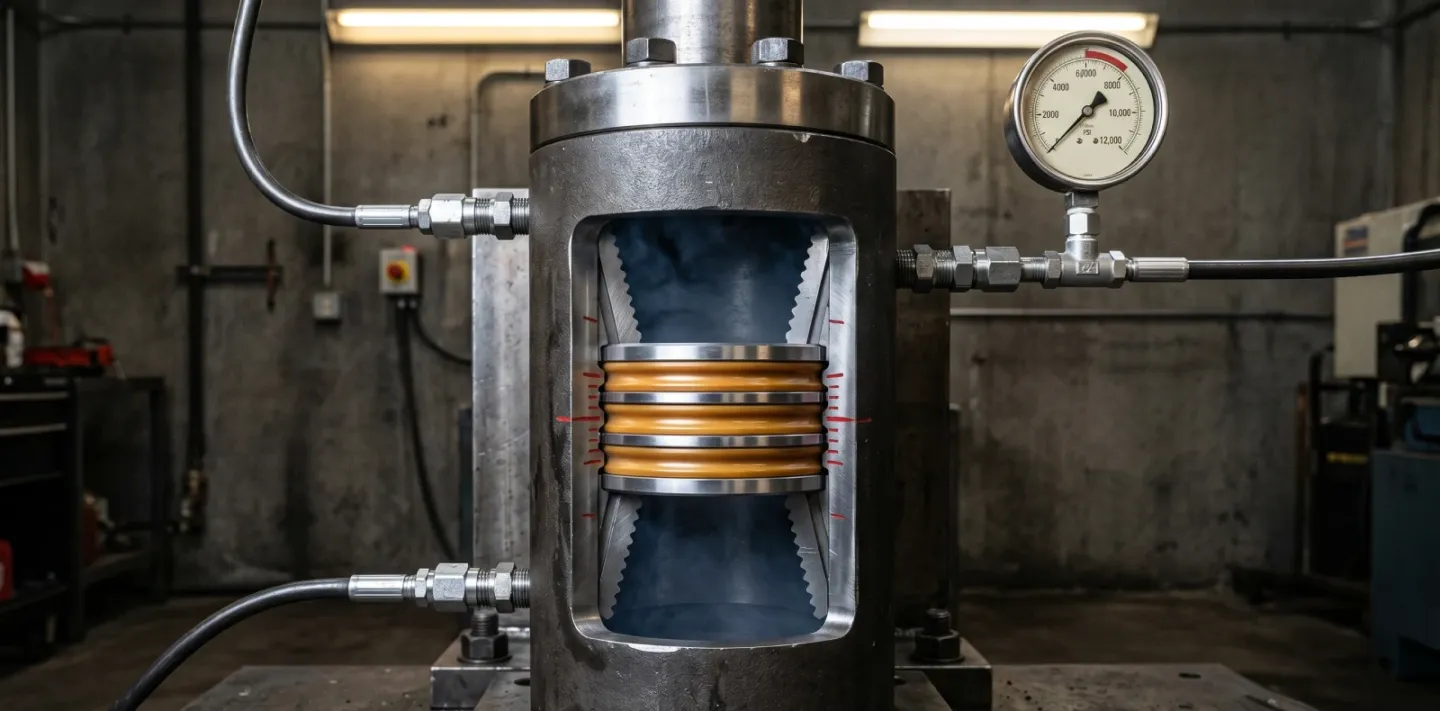
ISO 14310 & API 11D1 Validation Grades: V6 to V0 Explained
Many engineers assume a higher V-number means a tougher packer. It is the opposite. Under ISO 14310 packer validation grades, the scale runs from V6, the minimum, down to V0, the most demanding gas-tight grade — so a lower number means more severe testing, not less. For anyone just trying to understand the basics, that inversion is where most confusion starts.
June 8, 2026
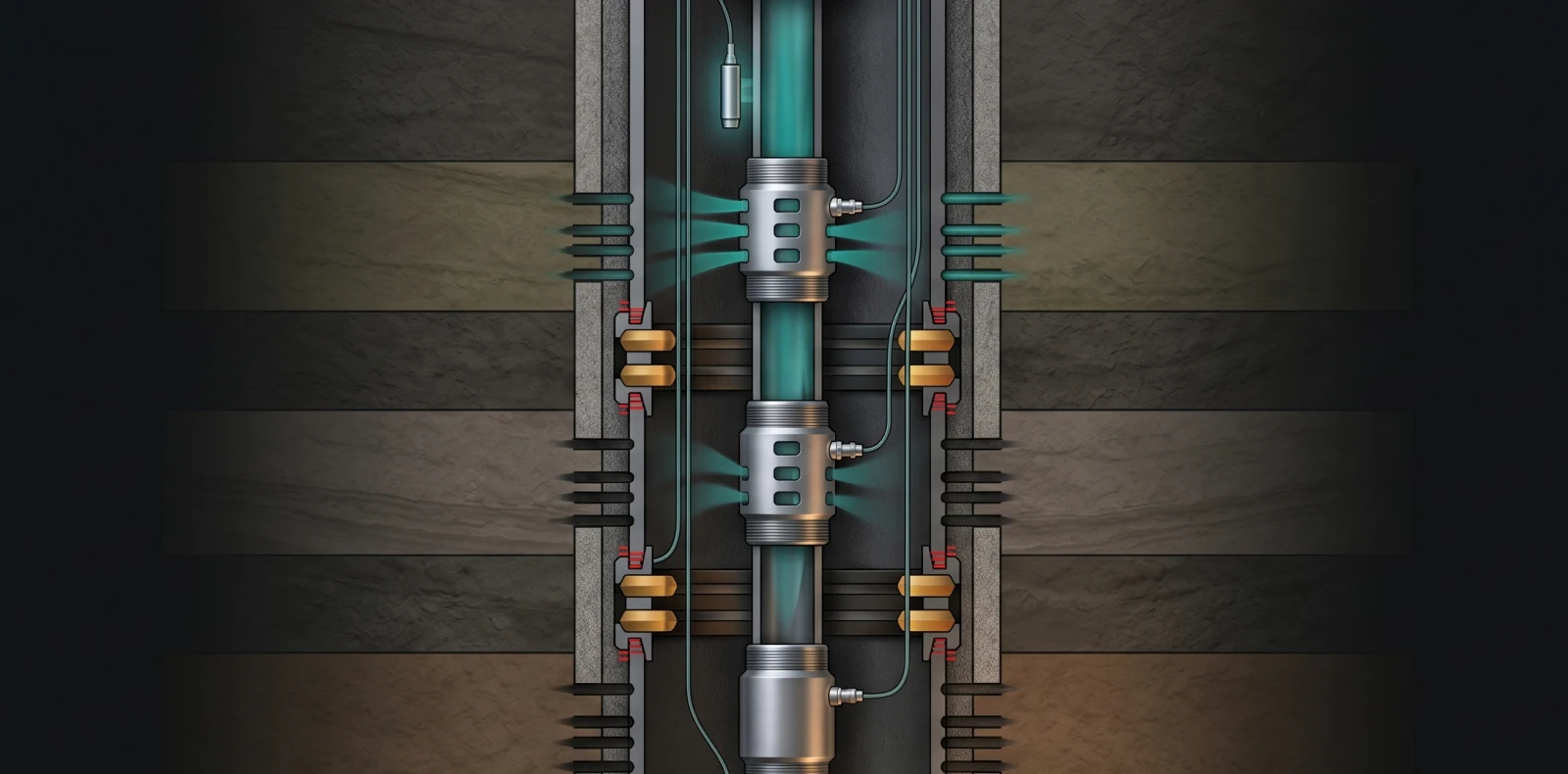
Intelligent Well Completion: Systems, Components and Equipment
Imagine adjusting flow from each zone of a multi-zone reservoir in real time, from surface, without ever sending a rig downhole. That is the promise of intelligent well completion, and for an engineer just trying to understand the basics, the concept is more concrete than the marketing suggests once you see how the pieces connect.
June 8, 2026
Oil & Gas Equipment Companies in India: Manufacturer Directory 2026
Navigating India's oilfield equipment landscape is challenging without a comprehensive directory, and procurement teams asking "who are the best manufacturers for this?" often lose weeks to vendor research. This directory profiles the key oil and gas equipment companies in India with verified capabilities, so you can build a qualified shortlist faster.
June 8, 2026
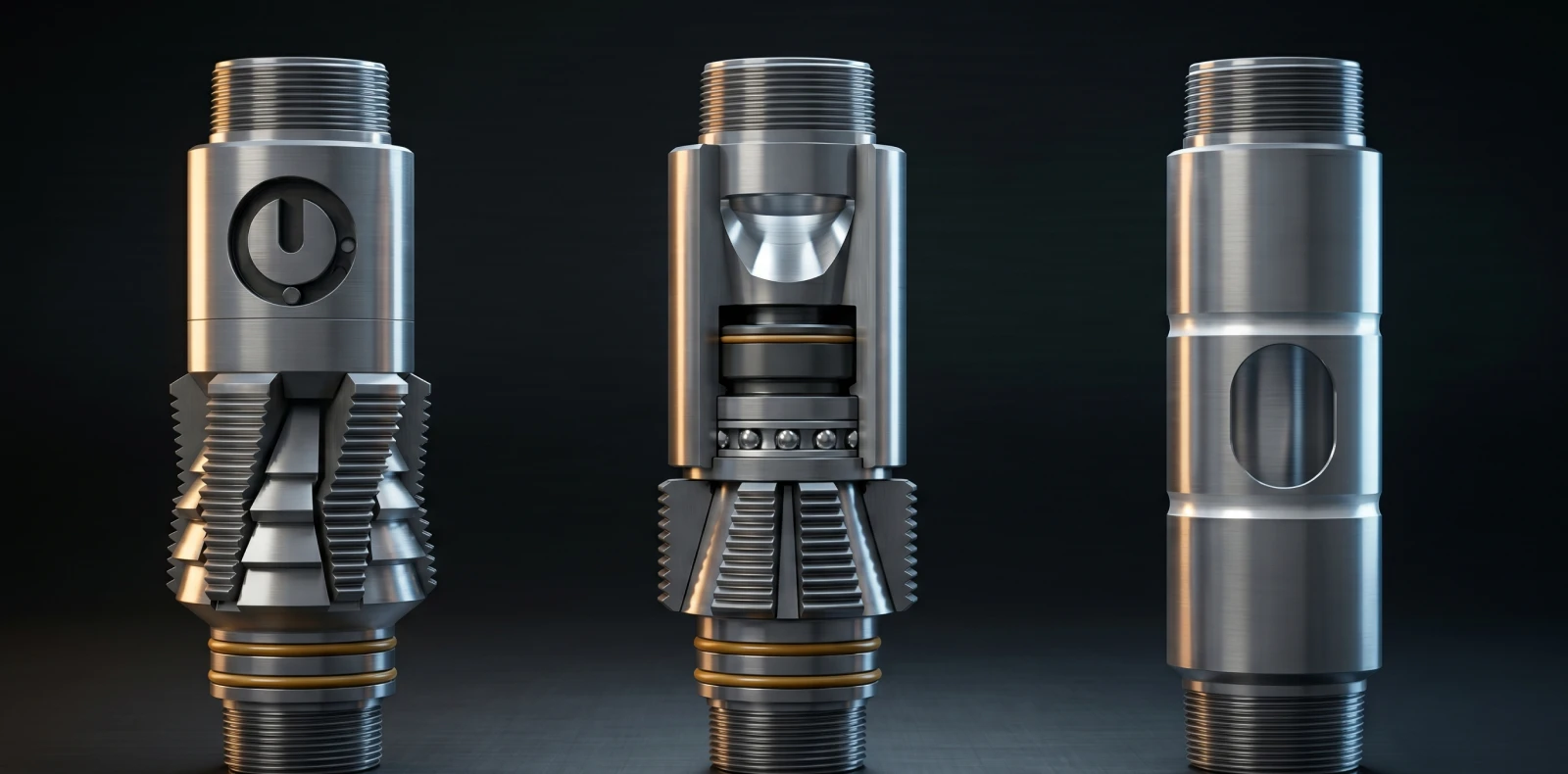
Liner Hanger Types & Selection: Complete Engineering Reference
What type of liner hanger does your well design require? The answer depends on setting depth, liner weight, and whether hydraulic or mechanical actuation suits the hole. For an engineer just trying to understand the basics, the liner hanger types break down into three categories — and knowing how they differ is the first step toward specifying the right one.
June 6, 2026
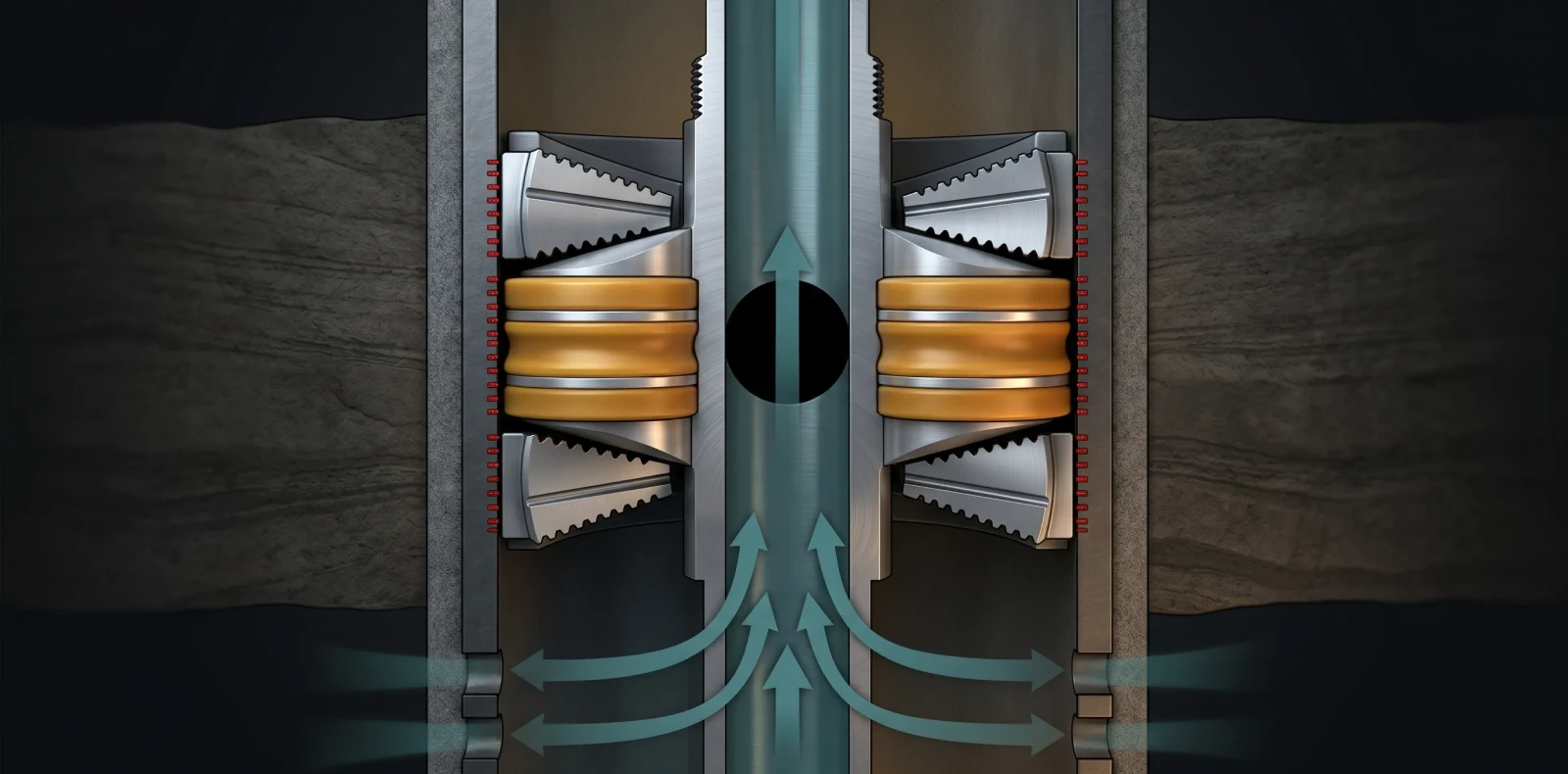
Packer in Well Completion- Functions & How to Select the Right One
Packers are installed in nearly every cased-hole completion worldwide, yet the packer in well completion remains one of the most consequential pieces of downhole hardware to understand. For anyone just trying to understand the basics, the packer is the component that makes controlled production possible by sealing the space between the tubing and the casing.
June 6, 2026
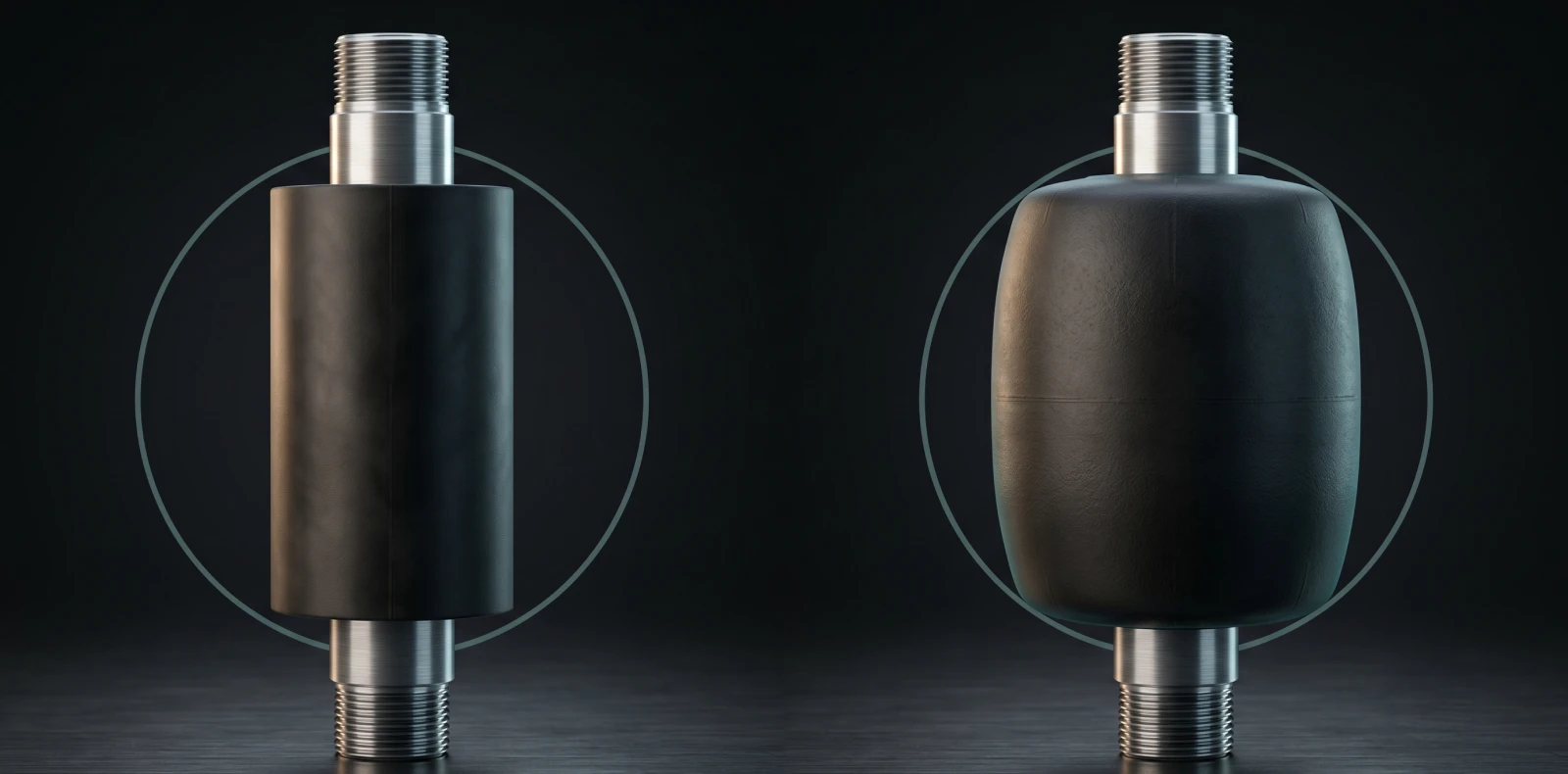
Swellable Packer Applications- Open Hole, HPHT & Water Shutoff Guide
When an operator needs to isolate an open hole section in a horizontal well without cementing, swellable packer applications offer the most direct route to a reliable annular seal. Across open hole zonal isolation, multistage fracturing, and water shutoff, the swellable packer has become the interventionless tool completion engineers reach for when running cement or mechanical packers is impractical or costly
June 6, 2026
How to Choose an Oilfield Equipment Supplier A Procurement Guide
Choosing the wrong oilfield equipment supplier does not just waste procurement budget; it risks downhole failures that cost ten times the equipment price. Knowing how to choose an oilfield equipment supplier means looking past the catalog and the quotation to the evidence that a vendor can actually deliver safety-critical completion equipment. Procurement engineers who get this right treat the decision as risk management, not purchasing
June 6, 2026
Top Downhole Tool Manufacturers & Suppliers 2026 Global Guide
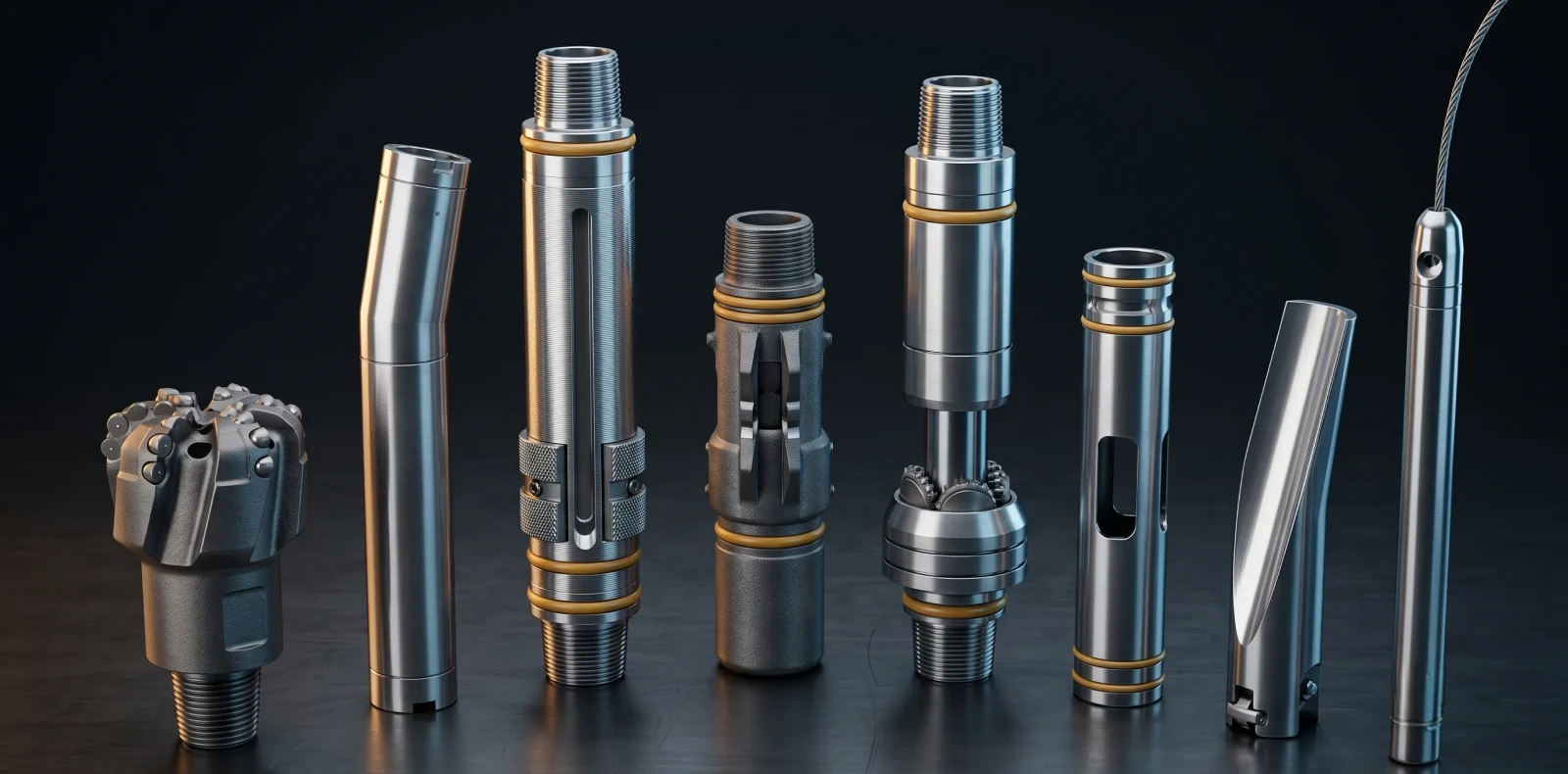
The global downhole tools market exceeds 5 billion US dollars annually, and the list of companies claiming to serve it is far longer than any procurement team has time to vet. This guide narrows the field: it covers how to evaluate a downhole tool manufacturer, then profiles the global majors, the India-based OEMs, and Maximus OIGA — fairly, with real pros and cons, so you can build an RFQ shortlist without months of vendor research.
June 6, 2026
Sliding Sleeve Applications in Well Completion Types & Selection Guide
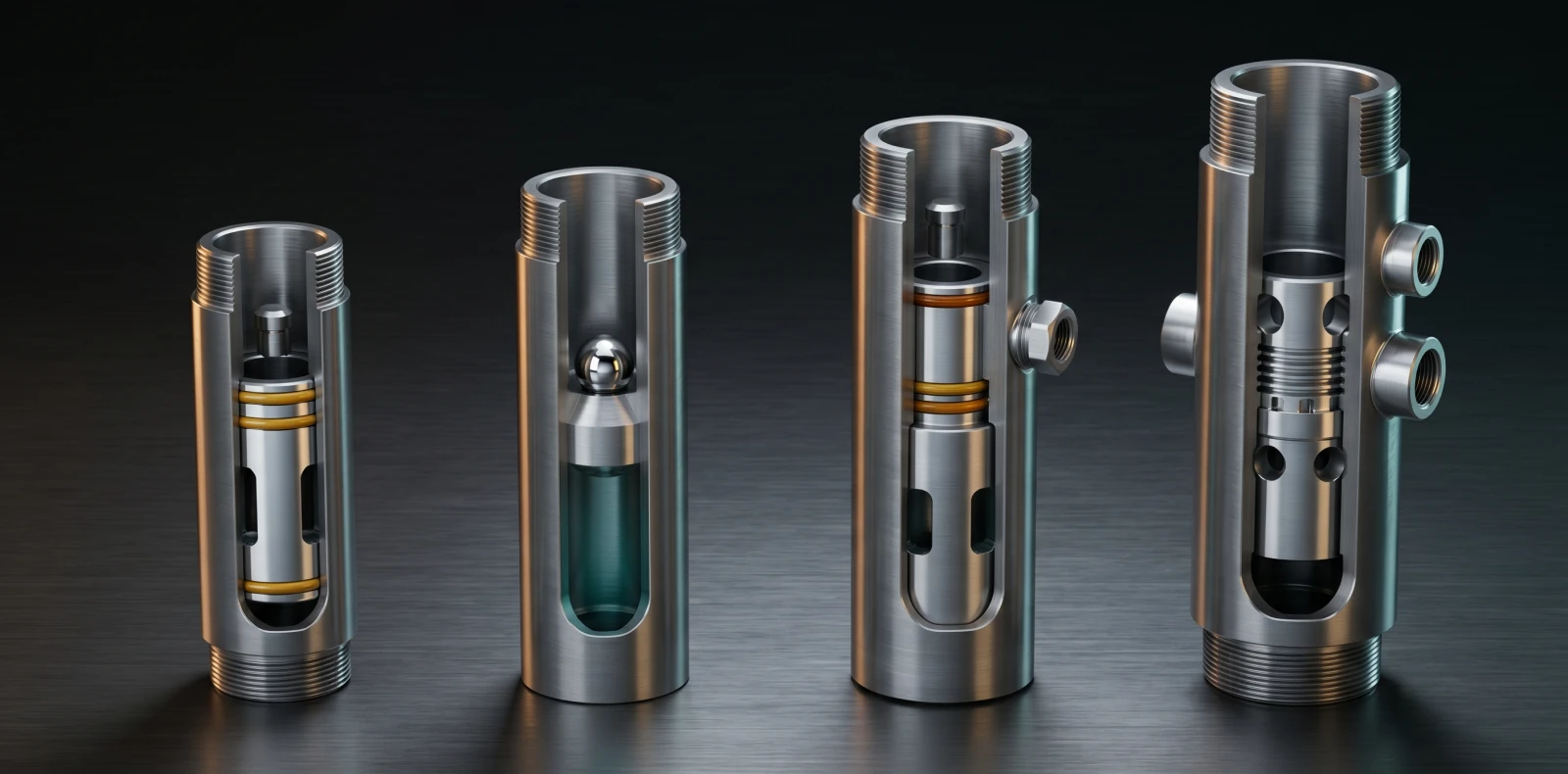
Sliding sleeves have evolved from simple open/close mechanisms into precision multi-zone flow control devices, and understanding their applications is now central to modern well completion design. This guide covers what a sliding sleeve does, the main types, real downhole applications, and how to select the right one — written for engineers trying to understand the basics and go a level deeper, not for a sales pitch.
June 6, 2026
Bridge Plug Setting Procedure Step-by-Step Guide for Wireline Operations
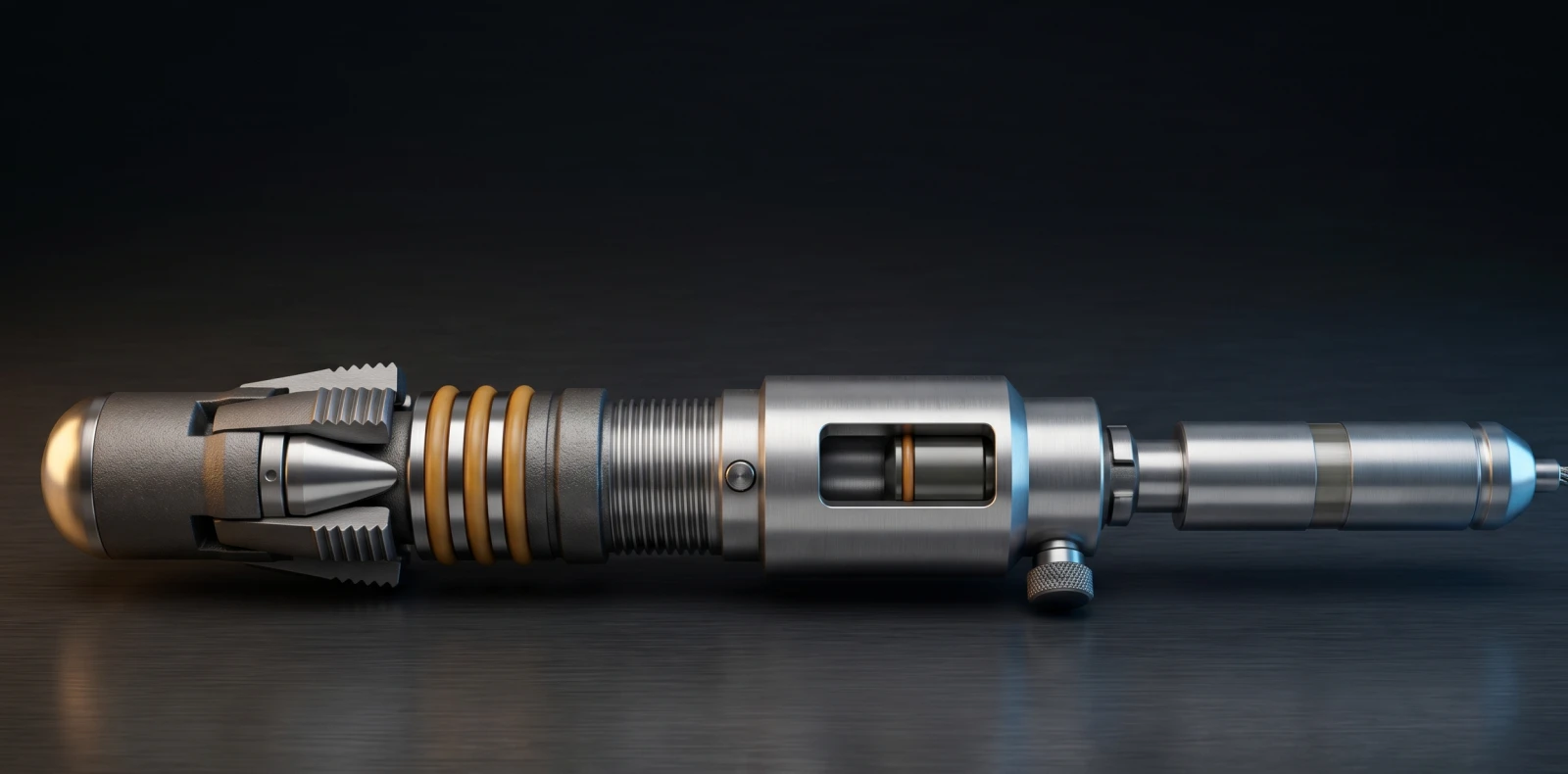
How do you properly set a bridge plug using wireline? This step-by-step procedure covers tool string assembly, depth correlation, setting tool activation, and pressure testing for confirmed well isolation. It is written for field engineers who need the exact sequence right the first time, with 200+ Maximus OIGA installations across India, the Middle East, and Southeast Asia behind it
June 6, 2026