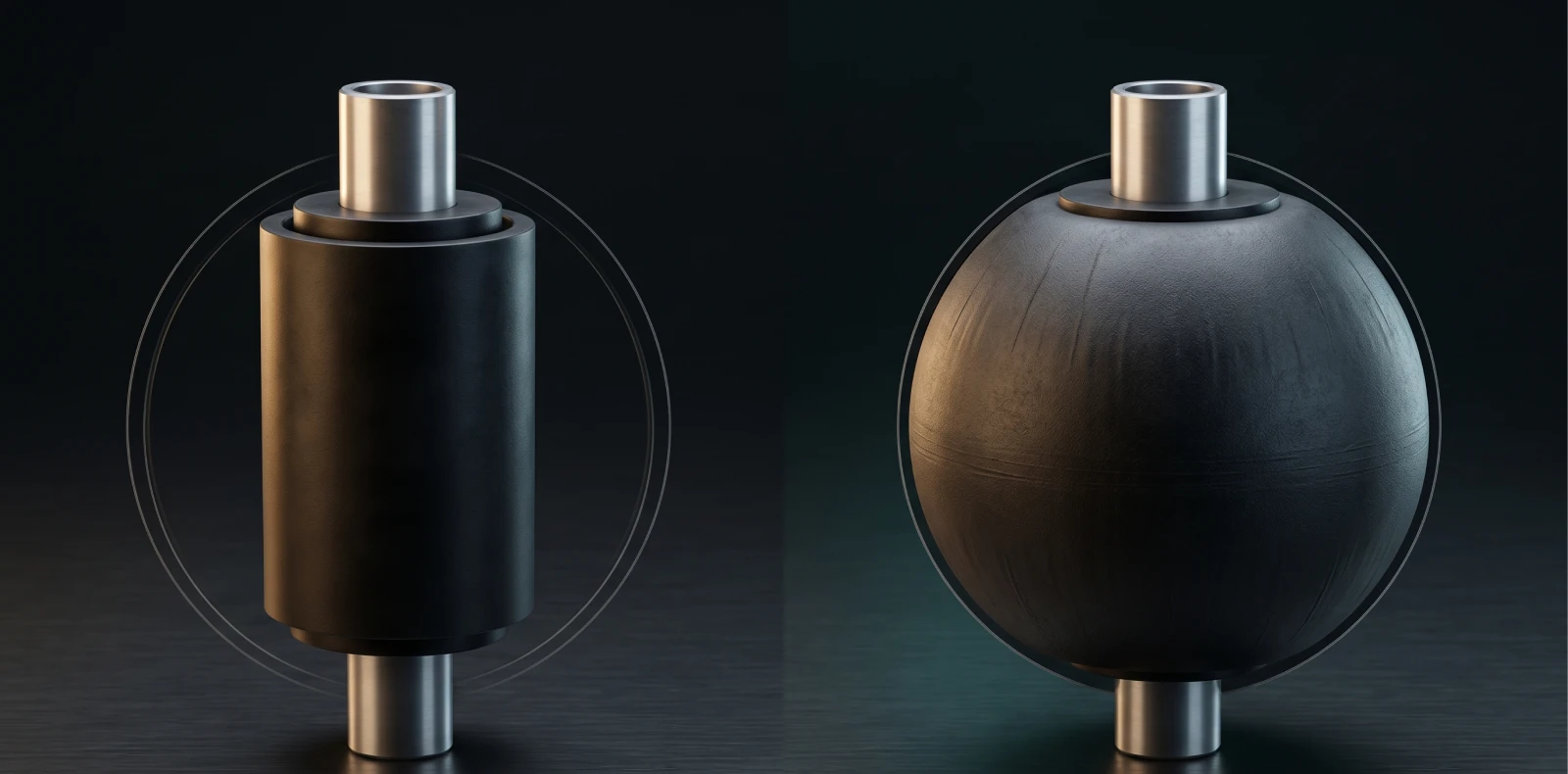
Zonal Isolation Methods in Oil & Gas Equipment & Selection Guide
Zonal isolation is often treated as a binary choice between cementing and mechanical methods. Modern well completions combine multiple isolation techniques to satisfy two-barrier regulatory requirements, intervention strategies, and reservoir-specific risks.
Zonal isolation methods in oil and gas wells fall into five technical families: primary cementing, mechanical packers (hydraulic, retrievable, permanent), swellable elastomer packers, bridge plugs, and hybrid combinations. Selection is driven by well type (open-hole or cased-hole), pressure differential, temperature, intervention strategy, and whether the seal must be permanent or retrievable.
This guide covers each method family, the selection criteria that govern them, and how the standards behind these tools translate into procurement decisions.
Why Zonal Isolation Matters
Whether you’re just trying to understand the basics or finalising a completion specification, zonal isolation determines well productivity, safety, and longevity over the asset’s full life.
Poor isolation allows fluid migration between zones, water or gas coning that degrades reservoir performance, casing collapse risk, and in extreme cases premature well abandonment.
Recent finite-element analysis cited in the JPT/SPE 2026 review on Cementing and Zonal Isolation finds that casing collapse resistance can increase by roughly 200% with a void-free cement bond compared to standalone casing. Small voids or microannuli rapidly erode that advantage.
The same review notes a notable increase in activity centered on physical technologies — cementing tools, zonal isolation barriers, and cement evaluation systems — as wells deepen and two-barrier regimes tighten.
What Zonal Isolation Actually Is
Zonal isolation is the engineered prevention of fluid communication between distinct subsurface zones along a wellbore. It is achieved by creating a hydraulic barrier — typically between casing, cement and formation, or through a mechanical element compressed against the casing or open hole — that blocks water, gas, or oil migration between intervals.
The barrier takes two physical forms. Cement creates a chemical-mechanical bond between casing and formation that seals the entire annular column. Mechanical packers seal a discrete annular section by radial compression of an elastomer element against the pipe or wellbore wall. Both deliver hydraulic isolation; they differ in length of seal, retrievability, and verification method.
The two-barrier philosophy underlies most modern well integrity regulation. NORSOK D-010 in Norway, the UK HSE regime, and US BSEE rules typically require two independent barriers between hydrocarbons and the surface throughout the well’s productive life and during abandonment. Cement plus a mechanical packer is the canonical two-barrier configuration.
Verification matters as much as installation. Cement Bond Logs, Variable Density Logs, and ultrasonic imaging tools confirm zonal isolation integrity after cementing. These logs detect microannuli and channels that compromise the barrier and trigger remediation before they become production losses.
The Five Method Families
Primary cementing remains the dominant zonal isolation method, used in most cased-hole completions to bond casing to formation. Mechanical packers — hydraulic-set, retrievable, and permanent — provide selective isolation between intervals. Swellable elastomer packers expand on contact with wellbore fluids in open-hole completions. Bridge plugs deliver temporary or permanent zonal barriers during intervention, workover, or abandonment.
| Method | Mechanism | Primary Application | Pressure (typical) | Permanence |
|---|---|---|---|---|
| Primary Cementing | Slurry sets in casing-formation annulus | Cased-hole — full annular column | Up to formation strength | Permanent |
| Mechanical Packers | Radial compression of elastomer element | Selective intervals — cased-hole | 5,000 – 15,000+ psi (V0/V3) | Retrievable or permanent |
| Swellable Elastomer Packers | Polymer swells on fluid contact | Open-hole, tight-gas, multi-zone frac | Up to ~10,000 psi (varies) | Permanent (one-trip) |
| Bridge Plugs | Slips + elastomer set inside casing | Intervention, workover, abandonment | 5,000 – 15,000+ psi (V0/V3) | Drillable, retrievable, composite |
| Hybrid Configurations | Cement + mechanical or swellable in series | Two-barrier regulatory; HPHT | Per components | Per components |
Primary Cementing
The slurry is pumped down the casing and displaced into the casing-formation annulus, where it sets into an impermeable column. Primary cementing is the cost-performance benchmark for cased-hole completions. Filtrate damage to producing formations, voids, and microannuli are the known limitations that drive supplementary or hybrid choices.
Mechanical Packers
Mechanical packers seal the annulus by radial compression of an elastomer element against the casing or wellbore wall. Hydraulic-set variants use tubing pressure to actuate the setting mechanism; permanent versions remain in place through the well’s life. API Specification 11D1 — with the international equivalent ISO 14310 — governs design, validation, materials, and documentation. Validation grades run from V0 (zero gas leakage, highest) to V6.
Specify the packer for zonal isolation requirement at the validation-grade level when sourcing — V0 for gas-tight applications, V3 for many oil-only applications.
Swellable Elastomer Packers
Introduced commercially in the early 2000s, swellable elastomers expand on contact with wellbore hydrocarbons or water-based fluids. They are one-trip, self-setting, and have no moving parts. Primary applications are open-hole zonal isolation in tight-gas reservoirs and multi-zone fracture stimulation in horizontal wells.
Bridge Plugs
Bridge plugs are temporary or permanent isolation devices set inside casing to block sections of the wellbore for stimulation, intervention, pressure testing, workover, or abandonment. Commercial qualifications range from API 11D1 V0 at 5,000 psi to ISO 14310 V0 at 15,000 psi differential pressure. Manufacturers of bridge plugs for zonal isolation publish detailed temperature and pressure envelopes that should be matched to the application.
Hybrid Configurations
Hybrid systems combine cement with mechanical or swellable packers, often to meet two-barrier regulatory requirements where a single method cannot guarantee integrity across the well’s life. Sequential barriers — cement column plus a swellable below, or cement plus a permanent packer above — are increasingly common in unconventional and HPHT completions.
Supplementary materials — geopolymers, resins, thermally degradable polymers for geothermal applications, and colloidal nanosilica for selective shut-off — are emerging adjuncts rather than a sixth family.
Selection Criteria: Cementing vs Mechanical Isolation
Cementing provides full annular isolation and is the industry default for cased-hole completions, but cement filtrate can damage producing formations. Mechanical and swellable packer systems isolate without cement and are preferred for tight-gas, multi-zone fracturing, and open-hole completions. Hybrid configurations combine both methods when one alone cannot achieve required barrier integrity.
What should an engineer know before specifying zonal isolation equipment? Five variables drive the decision: well architecture, pressure differential, temperature, intervention strategy, and seal permanence.
Well architecture sets the boundary. Cased-hole completions favour cementing as the primary annular barrier with mechanical packers added for selective production. Open-hole completions push toward swellable or external casing packers because conventional cementing is technically challenging without a casing surface.
Pressure differential narrows the choice within each architecture. API 11D1 V0-qualified plugs and packers are validated between 5,000 and 15,000+ psi differential. Higher differentials and HPHT environments push toward permanent mechanical solutions or hybrid configurations.
Temperature follows the same logic. Standard V0 qualifications cover ambient to roughly 150°C (302°F). HPHT applications above 150°C require thermal-rated packer technology with specialised elastomer compounds.
Intervention strategy and seal permanence close the decision frame. Zones that must be re-accessed for stimulation or production point to retrievable packers and retrievable bridge plugs. Permanent abandonment points to cementing, permanent packers, or drillable plugs.
| Variable | Use Cementing if… | Use Mechanical / Swellable if… |
|---|---|---|
| Well architecture | Cased-hole, full annular column required | Open-hole, or selective interval isolation in cased-hole |
| Pressure differential | < formation strength; permanent seal acceptable | 5,000 – 15,000+ psi with V0/V3 validation; HPHT |
| Temperature | Within cement chemistry envelope | > 150°C (302°F) thermal-rated elastomers required |
| Intervention strategy | No future re-access planned; long-term integrity | Zone must be re-accessed for stimulation or production |
| Seal permanence | Permanent abandonment or permanent annular barrier | Retrievable seal needed; intervention plan requires unset/recover |
Even as alternatives have expanded, cement remains the cost-performance benchmark. Engineering teams that frame the decision as cement against mechanical miss the more useful frame — match the method to the well, and combine when no single method delivers.
Maximus OIGA Authority — What an India-Based Manufacturer Brings
Maximus OIGA manufactures the full downhole tool range required for zonal isolation from a single-source completion equipment programme based in Vadodara, Gujarat, India. The facility holds API Q1 quality management certification for petroleum equipment manufacturing, ISO 14310 conformance for packer testing, and ISO 9001 general quality management.
API Q1 | ISO 14310 | ISO 9001 | 200+ Installations
The product programme includes the Maximus OIGA Packer Systems— SpectraMax series thermal packers, swab cup packers, tension-set packers, and the PAK VI hydraulic retrievable production packer.
Cast iron and composite bridge plugs sit in the same programme: the Maximus OIGA Bridge Plug Range addresses both intervention and permanent abandonment applications. The company has shipped 200+ packer installations across India, the Middle East, and Southeast Asia. Pressure testing to failure is performed in-house at the Vadodara test facility before any qualification batch ships. Specifications are available on request via
Common Misconceptions About Zonal Isolation
When engineers need to explain zonal isolation to non-technical stakeholders, three persistent misconceptions cause confusion in procurement, operations review, and compliance discussions.
Misconception 1: Zonal isolation is a binary choice between cementing OR mechanical. Reality: Modern completions are typically hybrid. Two-barrier regulatory requirements often mandate both a cement column and a mechanical packer in series. Treating the decision as either/or eliminates the configurations most likely to meet integrity targets for the well’s full life.
Misconception 2: All bridge plugs are interchangeable. Reality: Bridge plugs differ by pressure rating (5,000 to 15,000+ psi), expansion capability (standard versus high-expansion through-tubing), API 11D1 validation grade (V0 versus V3), and permanence (drillable, retrievable, composite). A wrong choice causes intervention failures that can cost 10× the equipment price.
Misconception 3: Once cement is in place, isolation is permanent. Reality: Cement integrity degrades over time. Microannuli, thermal cycling, pressure cycling, and chemical attack erode the bond. Cement Bond Logs and Variable Density Logs are required during the well’s life to verify ongoing isolation — not just at commissioning.
Frequently Asked Questions
What is zonal isolation in oil and gas?
Zonal isolation is the engineered prevention of fluid communication — water, gas, or oil — between distinct subsurface zones along a wellbore. It is achieved by creating a hydraulic barrier between casing, cement, and formation, or by compressing a mechanical element against the casing or open hole. The practice is critical for well integrity, regulatory compliance under two-barrier requirements, and preventing water or gas coning that degrades reservoir performance. API Specification 11D1 and ISO 14310 govern the design and validation of the equipment.
What tools are used for zonal isolation?
Primary tools fall into four categories: cement (pumped as a slurry into the casing-formation annulus), mechanical packers (hydraulic-set, retrievable, permanent), swellable elastomer packers, and bridge plugs (retrievable, drillable, composite). Supplementary tools include cement retainers, external casing packers, and inflatable packers. Cement Bond Log, Variable Density Log, and ultrasonic imaging verify integrity after installation. API 11D1 validation grades — V0 (gas-tight, highest) through V6 — should be specified explicitly when sourcing equipment.
How do packers provide zonal isolation?
Packers seal the space between the tubing or casing and the surrounding wellbore wall by compressing an elastomer element radially outward against the pipe or formation. Hydraulic-set packers use applied tubing pressure to actuate setting; mechanical-set packers use rotation or weight; swellable packers expand passively in contact with wellbore fluids. Once set, the elastomer creates an annular pressure barrier across its seal length. Retrievable packers can be unset and recovered; permanent packers are typically drilled out at end of life.
Cementing vs mechanical isolation — when to use which?
Use cementing for cased-hole completions requiring permanent isolation across the full annular column where producing zones are not sensitive to cement filtrate damage — cement remains the cost-performance benchmark. Use mechanical or swellable packers in open-hole completions, tight-gas reservoirs where filtrate causes formation damage, multi-zone fracture stimulation, or where a retrievable barrier is needed for future intervention. Use hybrid configurations when two-barrier regulatory requirements apply or when a single method cannot achieve the required integrity for the well’s full life.
What is the best method for well isolation?
There is no single best method — selection depends on well architecture and intervention strategy. Cementing is the default for permanent cased-hole isolation. Mechanical packers suit retrievable applications and selective production. Swellable packers excel in open-hole zonal isolation. Bridge plugs provide temporary barriers for stimulation, workover, and abandonment operations. Specify the API 11D1 validation grade explicitly when sourcing equipment.
Next Steps
Engineers specifying zonal isolation equipment for new completions, recompletions, or workovers can move directly to product detail. Maximus OIGA publishes pressure, temperature, and validation-grade data for the full packer and bridge plug programme. Manufacturing is API Q1 certified; testing follows ISO 14310 protocols.
▶ Request Zonal Isolation Equipment Specifications
▶ Explore Maximus OIGA Bridge Plugs
Related
- ISO 14310 & API 11D1 Validation Grades: V6 to V0 Explained
- Intelligent Well Completion: Systems, Components and Equipment
- Oil & Gas Equipment Companies in India: Manufacturer Directory 2026
- Liner Hanger Types & Selection: Complete Engineering Reference
- Packer in Well Completion- Functions & How to Select the Right One
- Swellable Packer Applications- Open Hole, HPHT & Water Shutoff Guide
- How to Choose an Oilfield Equipment Supplier A Procurement Guide
- Top Downhole Tool Manufacturers & Suppliers 2026 Global Guide
- Sliding Sleeve Applications in Well Completion Types & Selection Guide
- Bridge Plug Setting Procedure Step-by-Step Guide for Wireline Operations
More Information
Related News & Insights
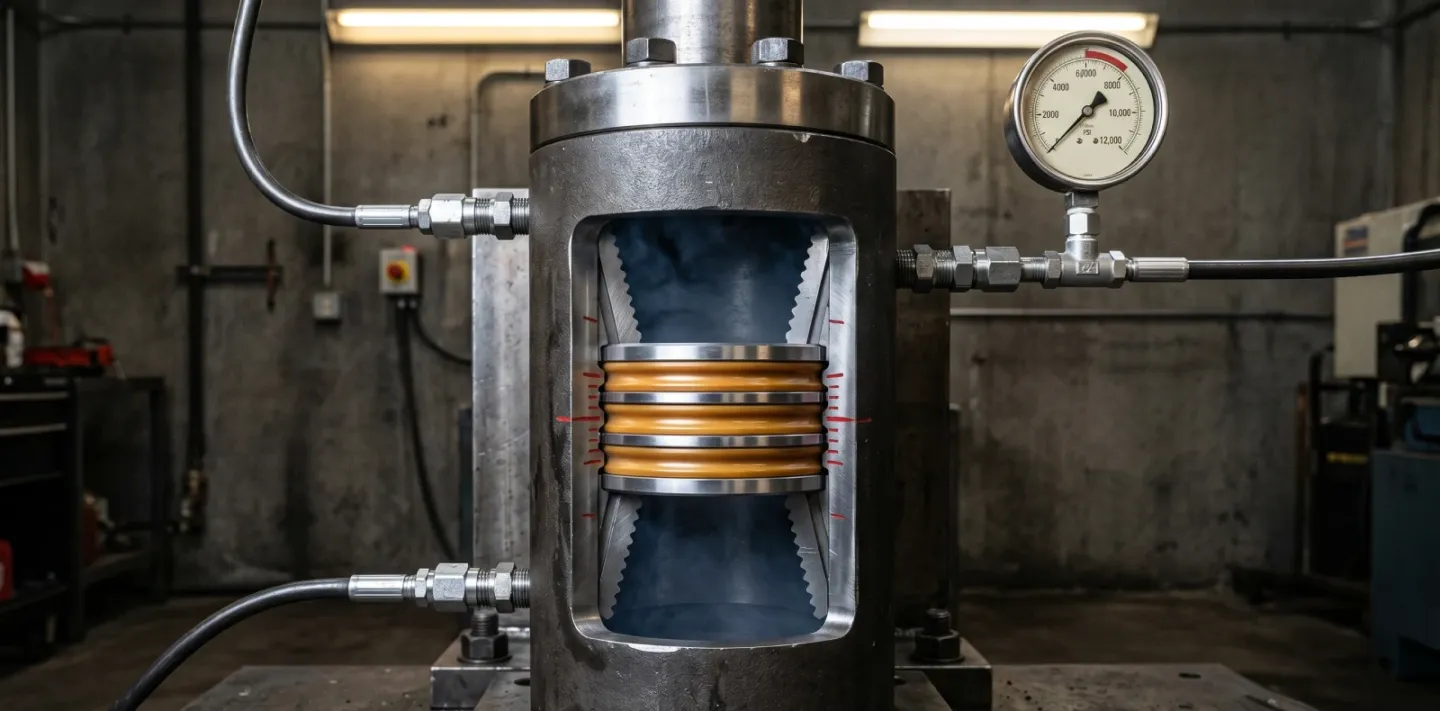
ISO 14310 & API 11D1 Validation Grades: V6 to V0 Explained
Many engineers assume a higher V-number means a tougher packer. It is the opposite. Under ISO 14310 packer validation grades, the scale runs from V6, the minimum, down to V0, the most demanding gas-tight grade — so a lower number means more severe testing, not less. For anyone just trying to understand the basics, that inversion is where most confusion starts.
June 8, 2026
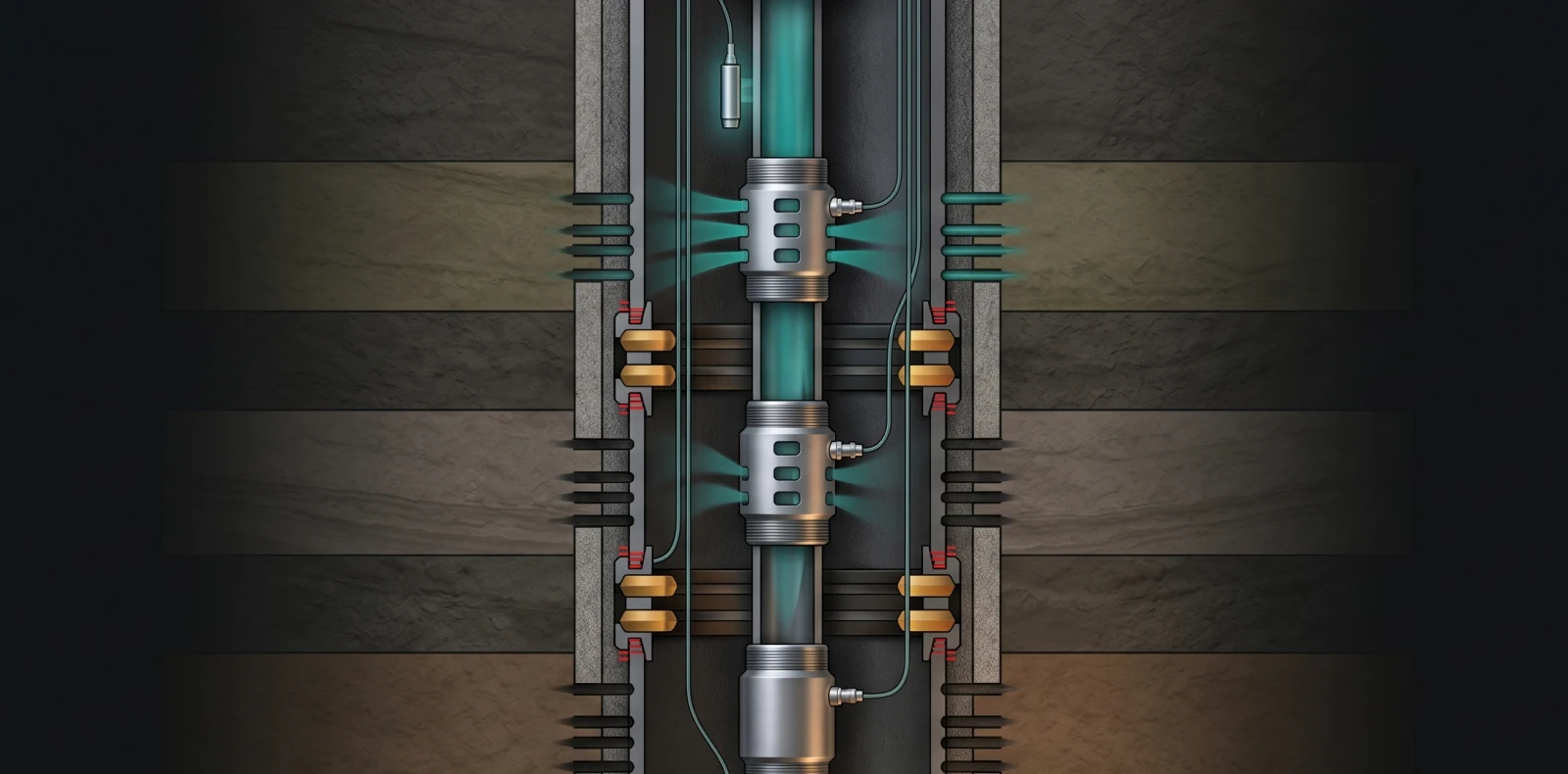
Intelligent Well Completion: Systems, Components and Equipment
Imagine adjusting flow from each zone of a multi-zone reservoir in real time, from surface, without ever sending a rig downhole. That is the promise of intelligent well completion, and for an engineer just trying to understand the basics, the concept is more concrete than the marketing suggests once you see how the pieces connect.
June 8, 2026
Oil & Gas Equipment Companies in India: Manufacturer Directory 2026
Navigating India's oilfield equipment landscape is challenging without a comprehensive directory, and procurement teams asking "who are the best manufacturers for this?" often lose weeks to vendor research. This directory profiles the key oil and gas equipment companies in India with verified capabilities, so you can build a qualified shortlist faster.
June 8, 2026
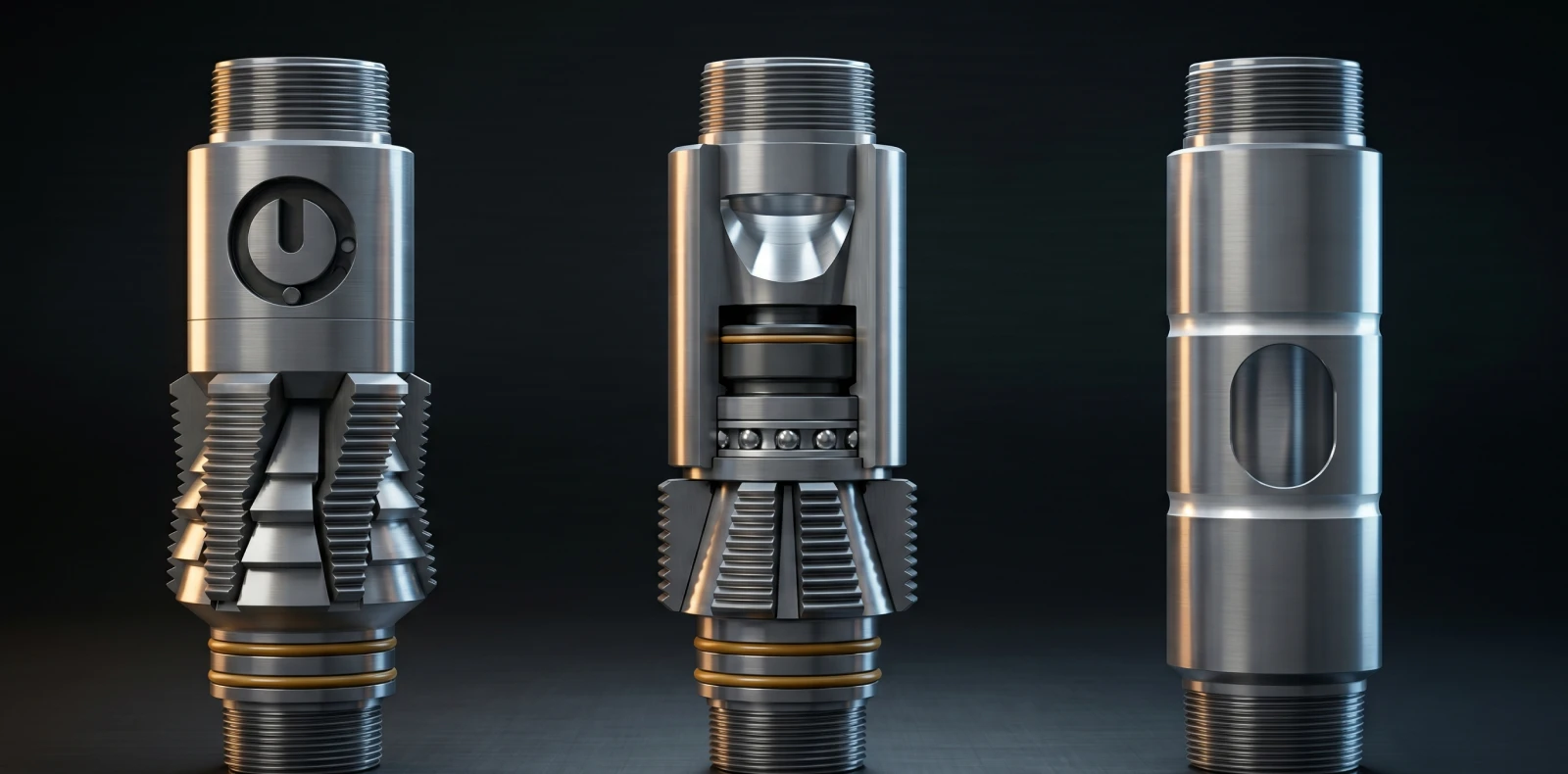
Liner Hanger Types & Selection: Complete Engineering Reference
What type of liner hanger does your well design require? The answer depends on setting depth, liner weight, and whether hydraulic or mechanical actuation suits the hole. For an engineer just trying to understand the basics, the liner hanger types break down into three categories — and knowing how they differ is the first step toward specifying the right one.
June 6, 2026
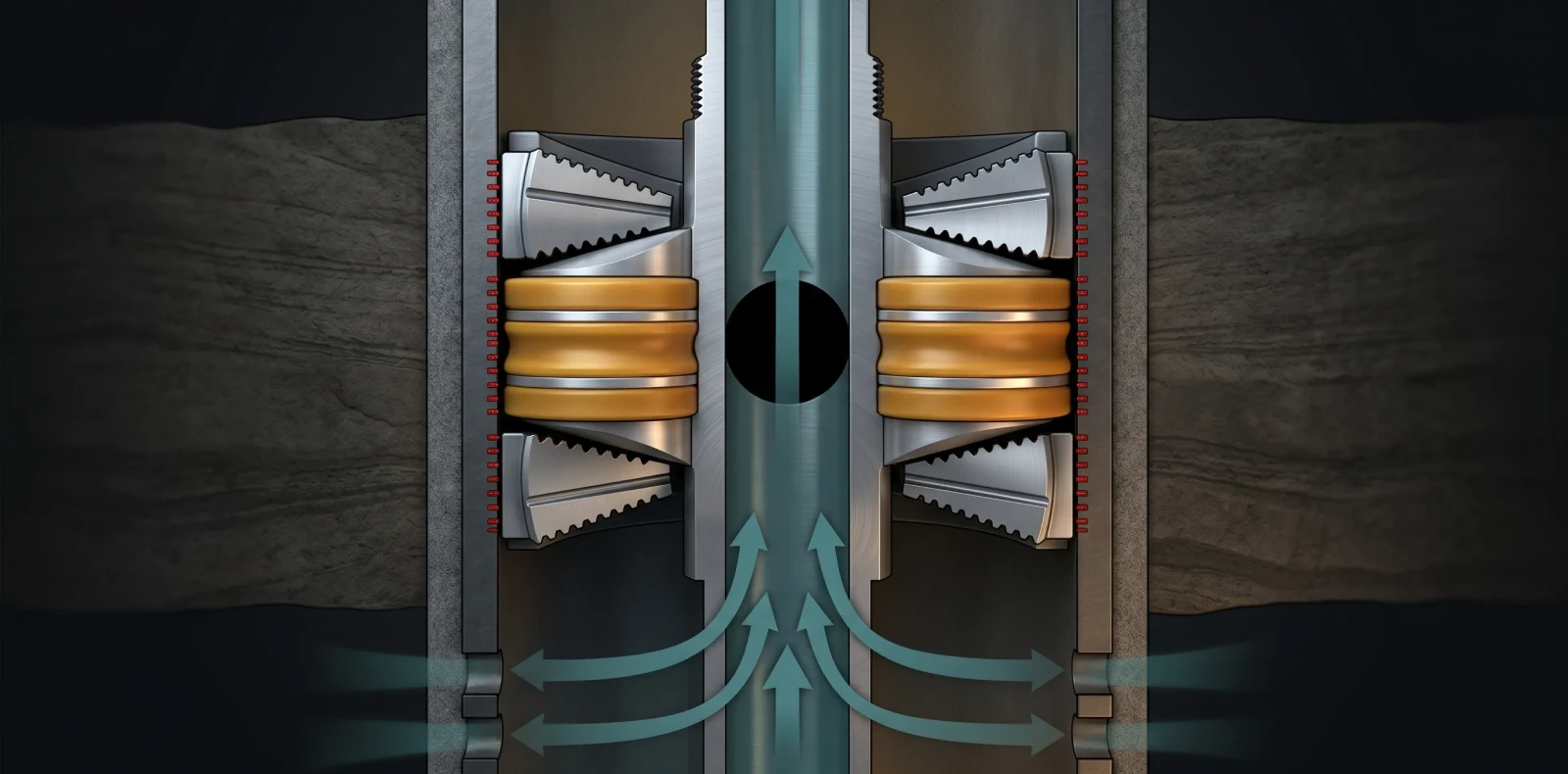
Packer in Well Completion- Functions & How to Select the Right One
Packers are installed in nearly every cased-hole completion worldwide, yet the packer in well completion remains one of the most consequential pieces of downhole hardware to understand. For anyone just trying to understand the basics, the packer is the component that makes controlled production possible by sealing the space between the tubing and the casing.
June 6, 2026
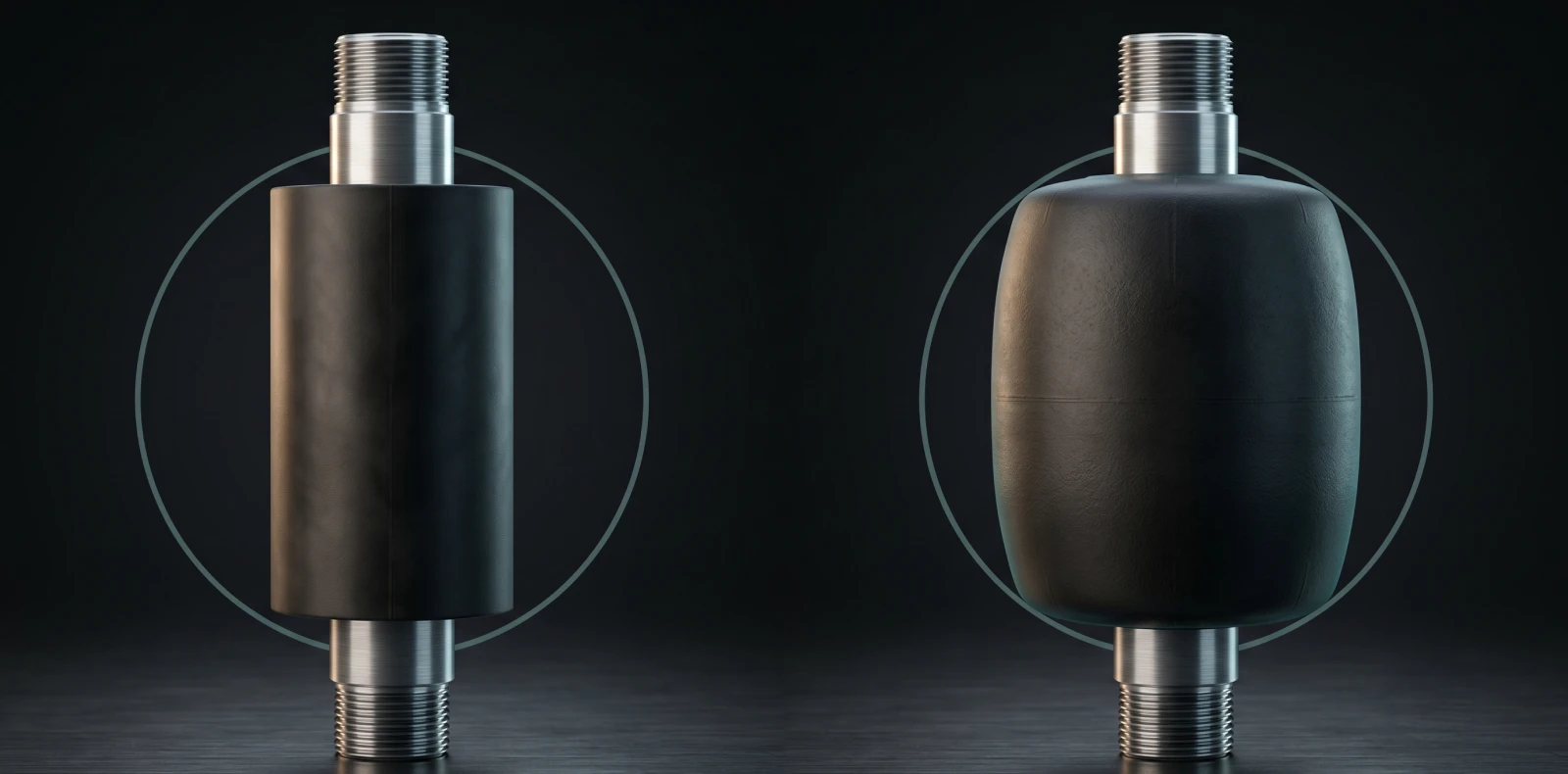
Swellable Packer Applications- Open Hole, HPHT & Water Shutoff Guide
When an operator needs to isolate an open hole section in a horizontal well without cementing, swellable packer applications offer the most direct route to a reliable annular seal. Across open hole zonal isolation, multistage fracturing, and water shutoff, the swellable packer has become the interventionless tool completion engineers reach for when running cement or mechanical packers is impractical or costly
June 6, 2026
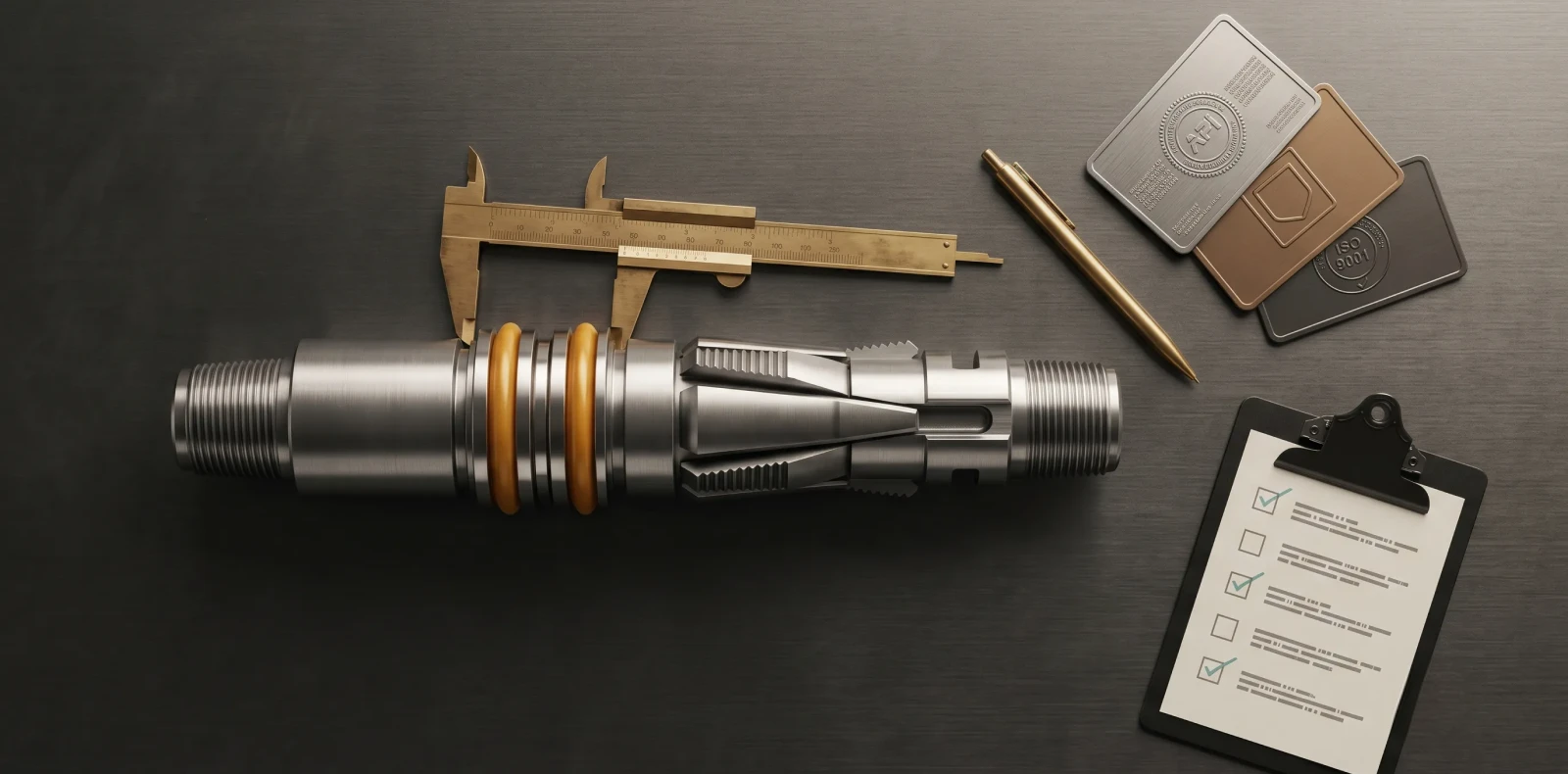
How to Choose an Oilfield Equipment Supplier A Procurement Guide
Choosing the wrong oilfield equipment supplier does not just waste procurement budget; it risks downhole failures that cost ten times the equipment price. Knowing how to choose an oilfield equipment supplier means looking past the catalog and the quotation to the evidence that a vendor can actually deliver safety-critical completion equipment. Procurement engineers who get this right treat the decision as risk management, not purchasing
June 6, 2026
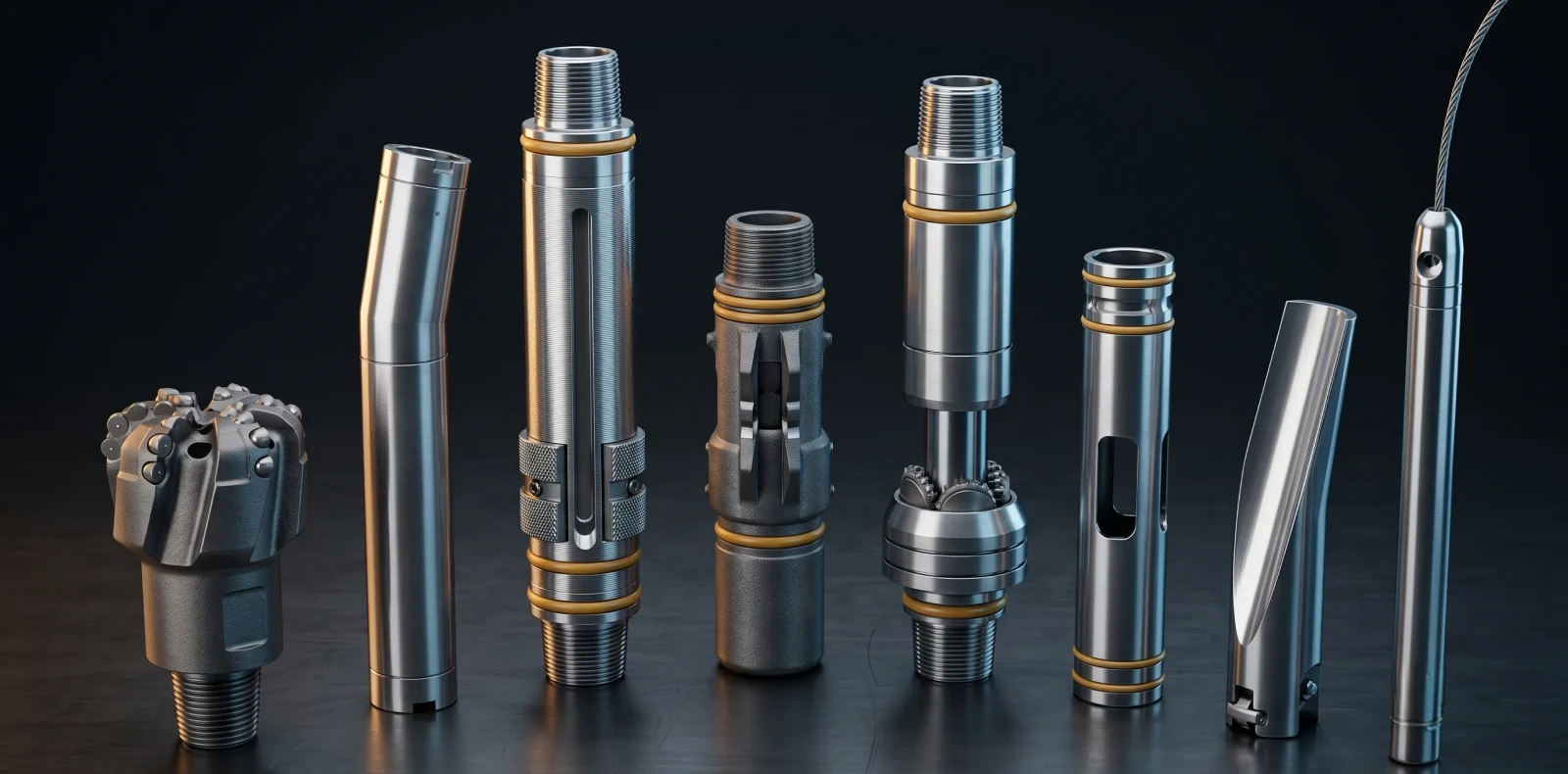
Top Downhole Tool Manufacturers & Suppliers 2026 Global Guide
The global downhole tools market exceeds 5 billion US dollars annually, and the list of companies claiming to serve it is far longer than any procurement team has time to vet. This guide narrows the field: it covers how to evaluate a downhole tool manufacturer, then profiles the global majors, the India-based OEMs, and Maximus OIGA — fairly, with real pros and cons, so you can build an RFQ shortlist without months of vendor research.
June 6, 2026
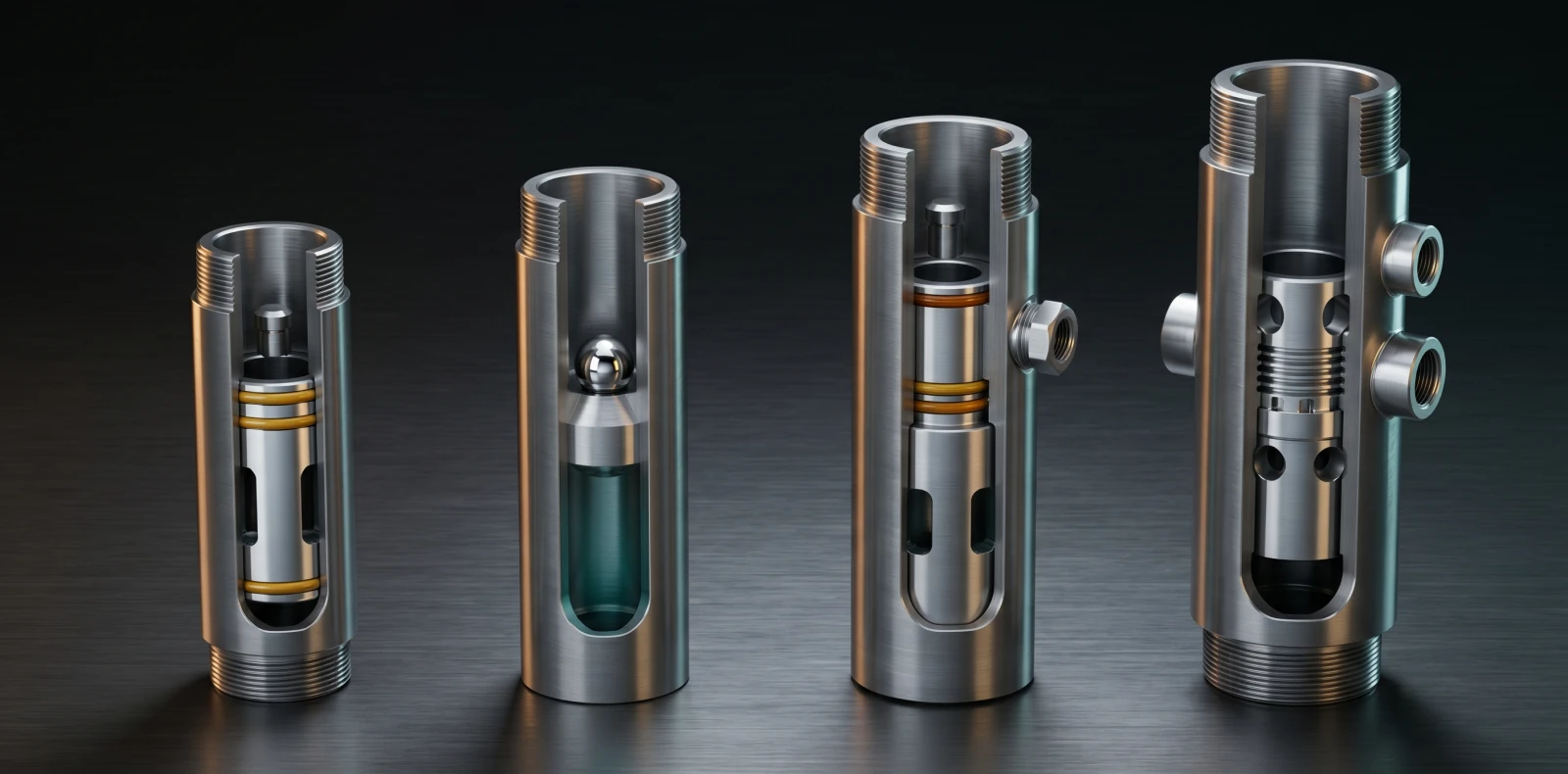
Sliding Sleeve Applications in Well Completion Types & Selection Guide
Sliding sleeves have evolved from simple open/close mechanisms into precision multi-zone flow control devices, and understanding their applications is now central to modern well completion design. This guide covers what a sliding sleeve does, the main types, real downhole applications, and how to select the right one — written for engineers trying to understand the basics and go a level deeper, not for a sales pitch.
June 6, 2026
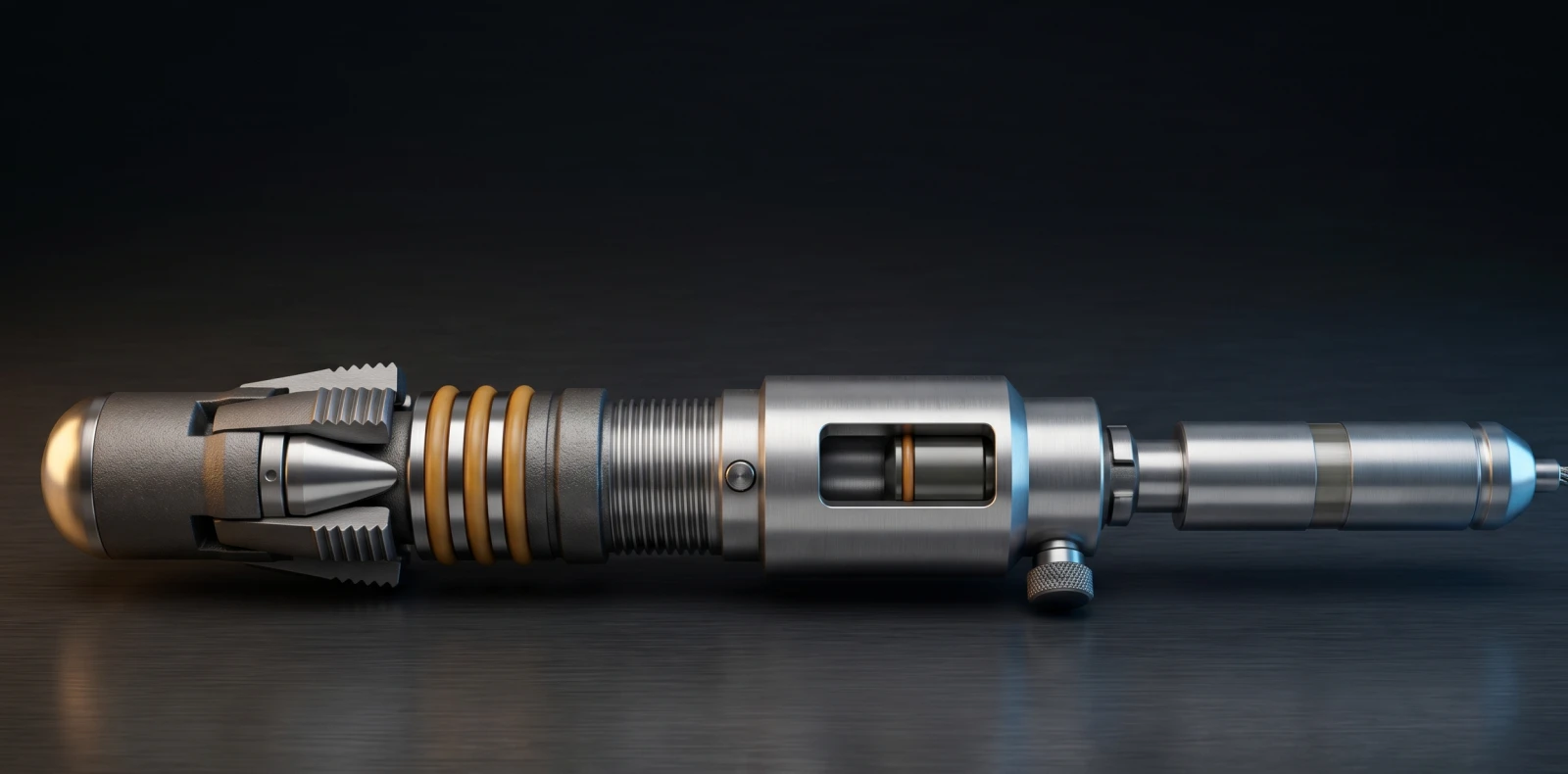
Bridge Plug Setting Procedure Step-by-Step Guide for Wireline Operations
How do you properly set a bridge plug using wireline? This step-by-step procedure covers tool string assembly, depth correlation, setting tool activation, and pressure testing for confirmed well isolation. It is written for field engineers who need the exact sequence right the first time, with 200+ Maximus OIGA installations across India, the Middle East, and Southeast Asia behind it
June 6, 2026